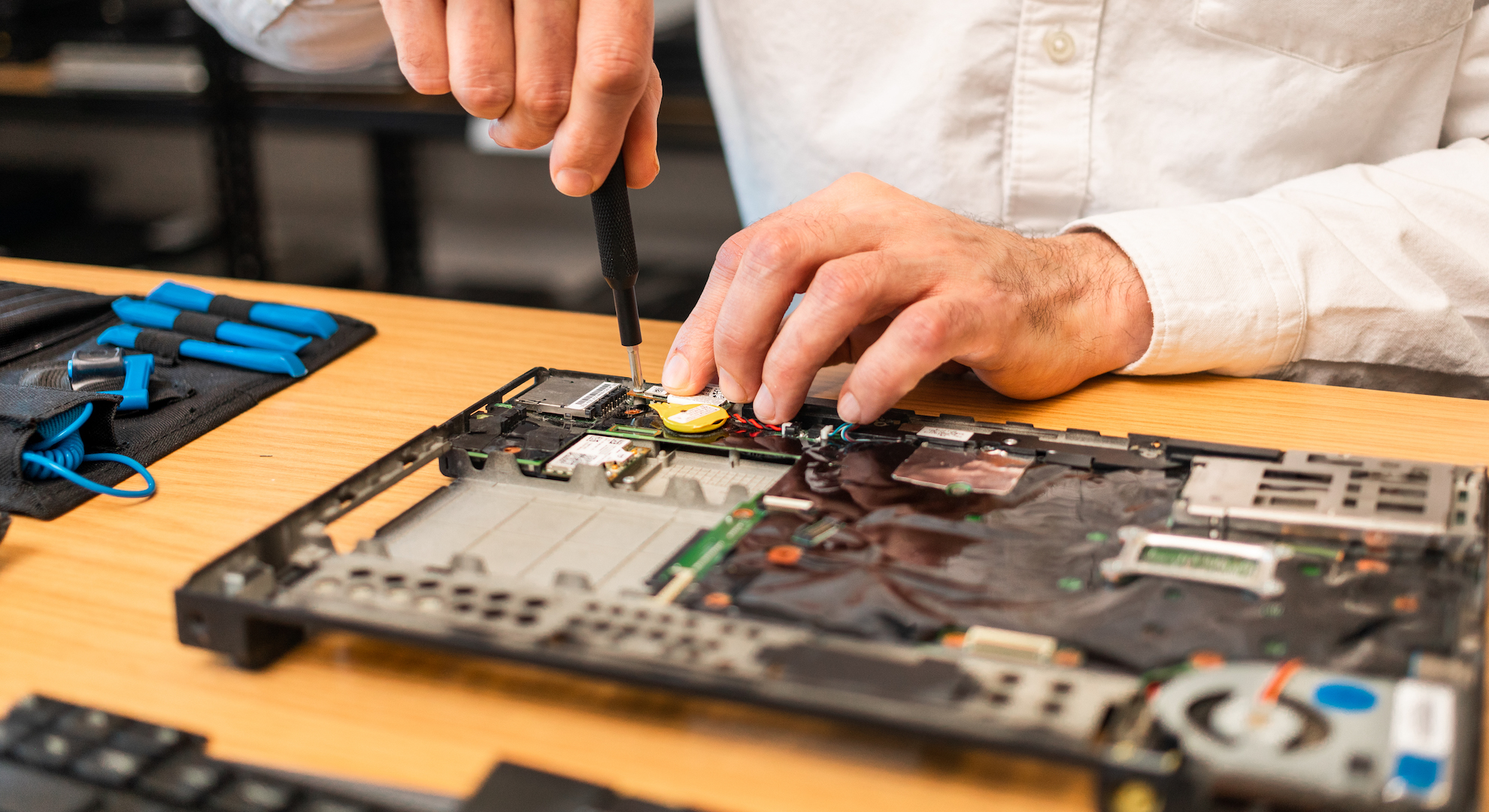
But the ecological footprint of our buy-and-chuck culture is huge. Brits throw out approximately 70 million homeware items every single year, a mountain of waste worth some £2.2bn. We produce an eye watering 25kg of e-waste per person per annum. Meanwhile, ultra-cheap fast fashion brands encourage endless consumption.
Some jurisdictions are clamping down on this practise. The EU has proposed rules forcing manufacturers to offer customers repairs within 10 years of purchase. They also have to make their products repairable by third parties – meaning you won’t have to get an expensive, highly specialised Apple part for your iPhone.
In the UK, campaigners have called for the Right to Repair, urging the government to expand UK legislation and remove barriers to DIY.
Continue reading for free
Registration is free and takes less than 30 seconds.
Our supporters make Big Issue’s work possible. Join us to see the impact we’re having together and discover more ways to help people facing poverty access income, opportunity and support.
The desire for a cultural shift is “palpable,” London Recycles says. Some 73% of Londoners express a willingness to repair items themselves if the process is straightforward, their new research shows, while 71% express a desire to acquire repair skills to save money.
Accessibility remains a hurdle. Nearly two thirds (65%) of Londoners lament the scarcity of nearby repair shops, while 63% feel that there’s not enough support for repair businesses to keep them afloat on the high street.
This Repair Week (11-17 March) is the perfect opportunity to learn, says Ali Moore, head of campaigns for London Recycles – and to support the repair sector. You can find your local repair hub here.
“Rhere are lots of simple repairs we can undertake ourselves to prolong the lifespan of bikes, clothes, furniture, and electronics. But for more complex repairs, repair experts usually offer services at a fraction of the cost of buying new – and these need to be accessible, which means we need to help the repair sector to thrive across the capital,” she said.
“There’s a clear role for repair as people continue to struggle with cost of living pressures, because it can save us money by keeping our stuff in use for longer.”