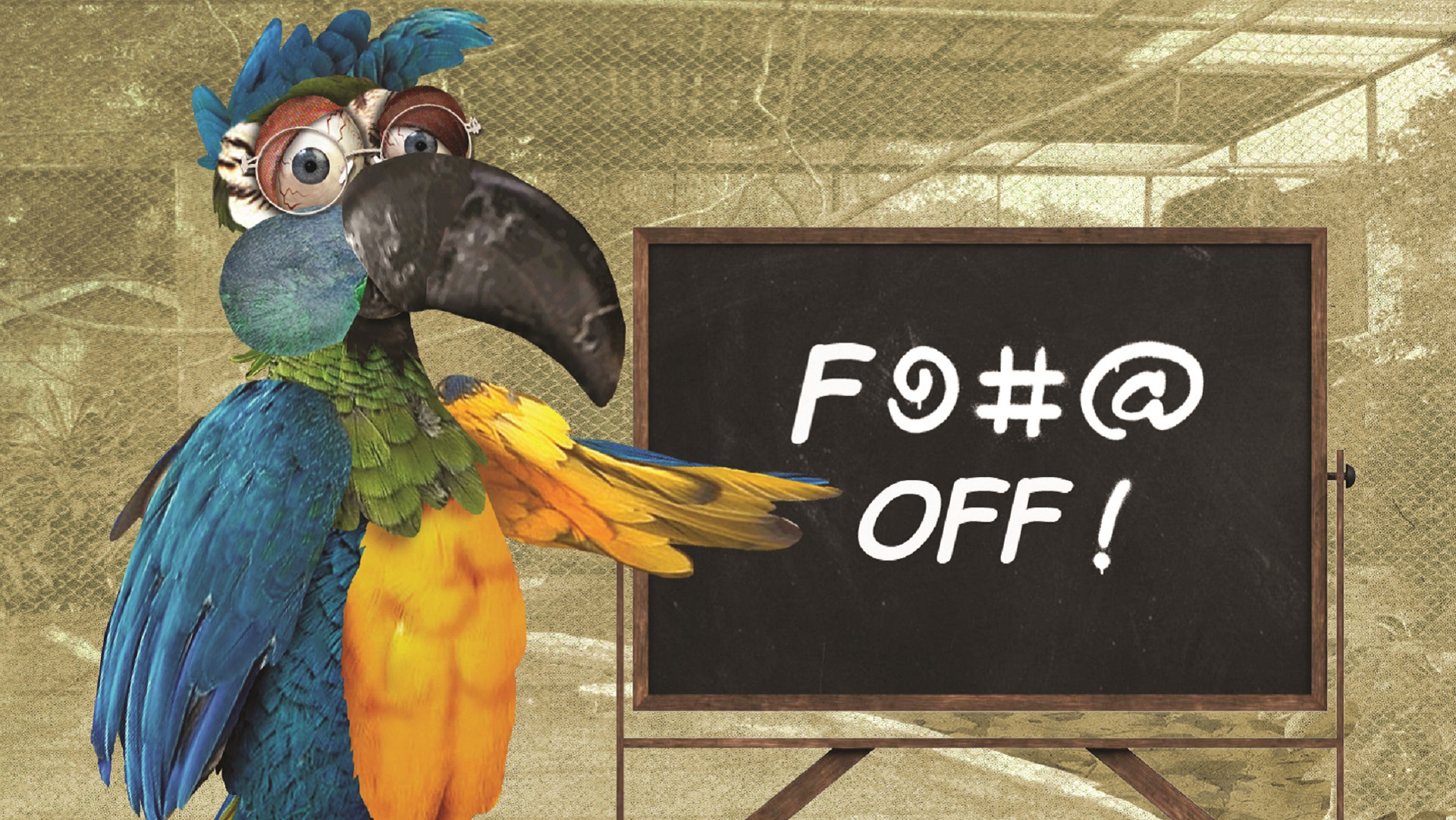
The story also sparked debate on a host of television programmes and radio shows.
But is it true that the parrots taught each other to swear?
Facts. Checked
Without wanting to get too pedantic – this, after all, is a light-hearted tale – calling it teaching, as The Sun and Metro did, goes a little too far.
Keep reading the journalism that powers our mission
Register free to continue and learn more about the stories, campaigns and the support we provide, helping people facing poverty across the UK.
The bad birds were definitely split up after joining Lincolnshire Wildlife Park in August, with CEO Steve Nichols confirming that they had been separated to avoid “setting each other off”. Although Nichols did joke that he had not received a single complaint.
But this is a good excuse to dive into the fascinating world of parrot communication.
If we are to take the definition of teaching as “imparting knowledge” then the parrots aren’t quite hitting the spot.
Parrots are the best that nature has to offer when it comes to human mimicry but as for understanding what noise they are making they do not have a clue. So, in this case, it’s clear that the birds must have had a potty-mouthed previous owner or picked up a few choice words from their keepers, more than likely the former.
Parrots are able to pick up sounds because they have a ‘song system’ in their brain, with two layers as opposed to the one that hummingbirds and songbirds possess. The inner core is common to all three, with an outer shell reserved just for parrots, according to a 2016 study by Duke University neuroscientist Erich Jarvis in the journal Plos One.
But the reason they are attracted to human speech appears to be come back to parrots being particularly social creatures. This is backed up by a 2016 study published in the Human-Animal Interaction Bulletin which found that pet owners with higher interest in bird communication had parrots that produced more words. So parrots are eager to please.
But the million-pound question is whether they know what they are saying?
The answer is no, according to Timothy Wright, who studies parrot vocalisation at New Mexico State University. He says that parrots are aware of context and associations, as we see in this story where birds at the park would get a reaction when they said swear words. In fact, Wright suggested that this is why parrots are particularly proficient at picking up profanity. He said: “They are very attuned to the context in which we use [words], and so I think that often fools people a little bit.”
This story raised a laugh so it’s splitting hairs – or more appropriately feathers – to criticise, but the next time a parrot swears at you at least you know not to take it personally.
Illustration: Miles Cole