Interestingly enough, only The Guardian and the BBC’s versions of the story (“UK farms plan for going ‘carbon neutral’”) contained scrutiny from other campaigners, most notably Friends of the Earth.
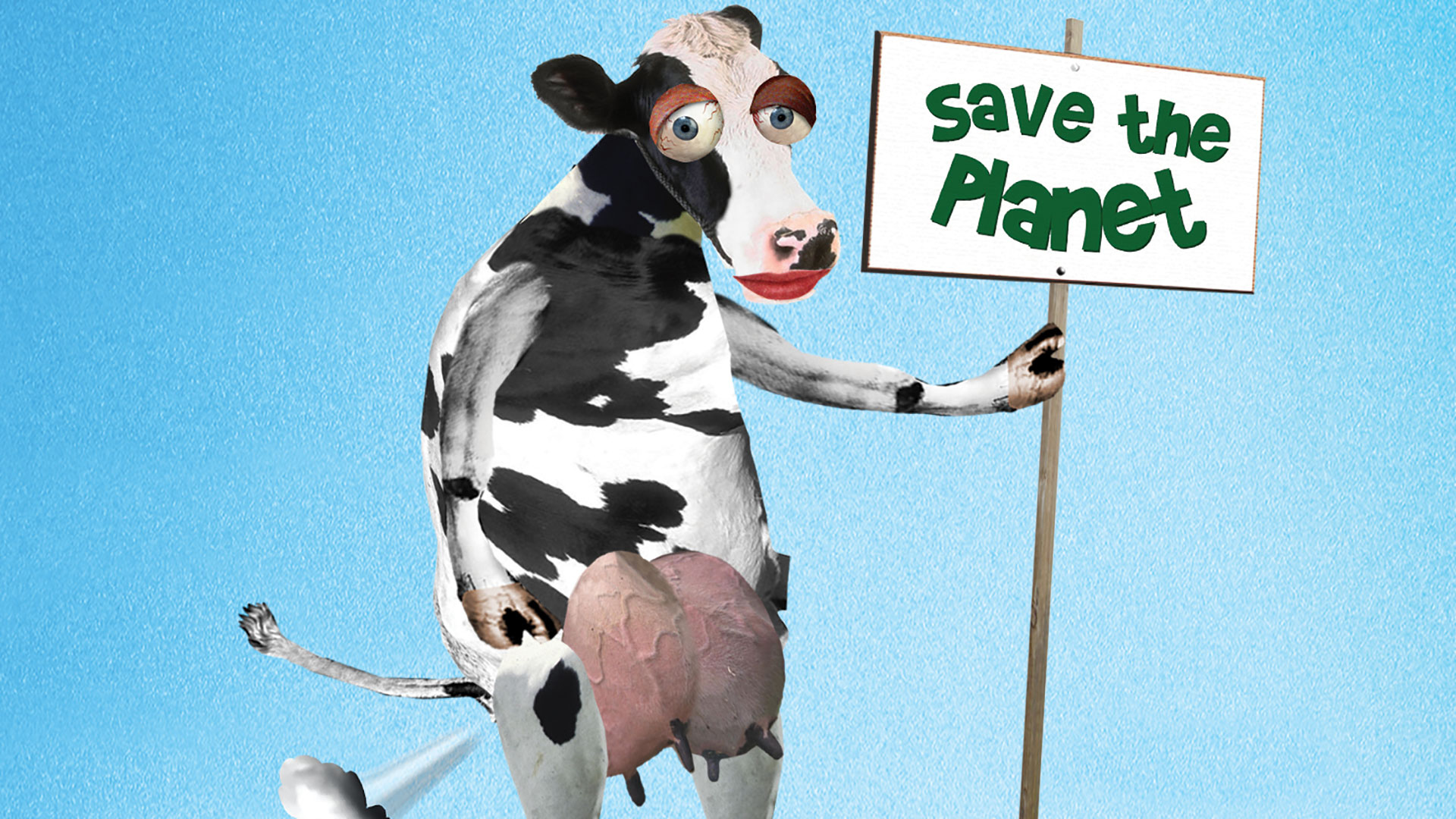
But is the NFU’s plan to keep us chomping on meat a workable one?
Facts. Checked
The NFU relies on unproven methods to narrow down carbon emissions to zero and misses the fact that cutting down on red meat even a little bit is a fairly simple way to make a difference.
Keep reading the journalism that powers our mission
Register free to continue and learn more about the stories, campaigns and the support we provide, helping people facing poverty across the UK.
Farmers’ plans centre on improving farming’s productive efficiency, land management and changing land to capture more carbon before it is released into the atmosphere and to boost the use of renewable energy and wider bio-economy.
That means using hemp fibre and sheep’s wool – as The Telegraph reported – as well as bigger hedgerows, more trees and woodland as the Mail Online reported.
Using hemp fibre – or ‘hempcrete’ – to make buildings is hardly thoroughly tested.
However, it is worth noting that the report doesn’t say that people should eat less red meat, but NFU president Minette Batters does say that: “We should not reduce our capacity to feed UK consumers with high-quality, affordable British food.”
But, let’s be frank, the NFU’s findings fly in the face of what scientists have been telling us for quite some time. Even as this report was released, another story from Cambridge University was doing the rounds, reporting that they had seen their carbon emissions slashed by a third by axing beef and lamb from their menus.
And just last month the UN’s Intergovernmental Panel on Climate Change released a report that found out global food production contributes 31 per cent of human-related greenhouse gas emissions with methane from cattle and manure increasing by 1.7 times since 1961 while meat consumption in that time has doubled.
In the UK, the government-advising Committee on Climate Change advised last year cutting lamb and beef pasture by between 20 and 50 per cent by 2050. They suggest replacing that with pork and chicken as well as replacing dairy products with crops. The CCC’s conclusion is that “fundamental reform is required to ensure land becomes a more effective carbon store”.
To their credit, the NFU plans do aim to do this.
The NFU’s plans are welcome – we all need to be doing our bit, especially farmers – but presenting this report as a silver bullet that allows us to individually wash our hands of responsibility is not correct.
Illustration: Miles Cole