The Daily Telegraph also tested it out in: “The best – and worst – foods to have on a hangover” while the Daily Mirror opted for: “Scientists develop the ultimate hangover cure – here’s how to make it yourself”.
But is it really the ultimate hangover cure?
Facts. Checked
Keep reading the journalism that powers our mission
Register free to continue and learn more about the stories, campaigns and the support we provide, helping people facing poverty across the UK.
When it comes to the science there can be no argument here.
The researchers were very thorough in their tests, exhaustively assessing 52 fruits, vegetables, cereals, spices, milk products and other miscellaneous foods. The varied list included dragon fruit, onion, maize, black pepper, cheese and fenugreek seeds in its bid to banish bad heads after a night on the drink.
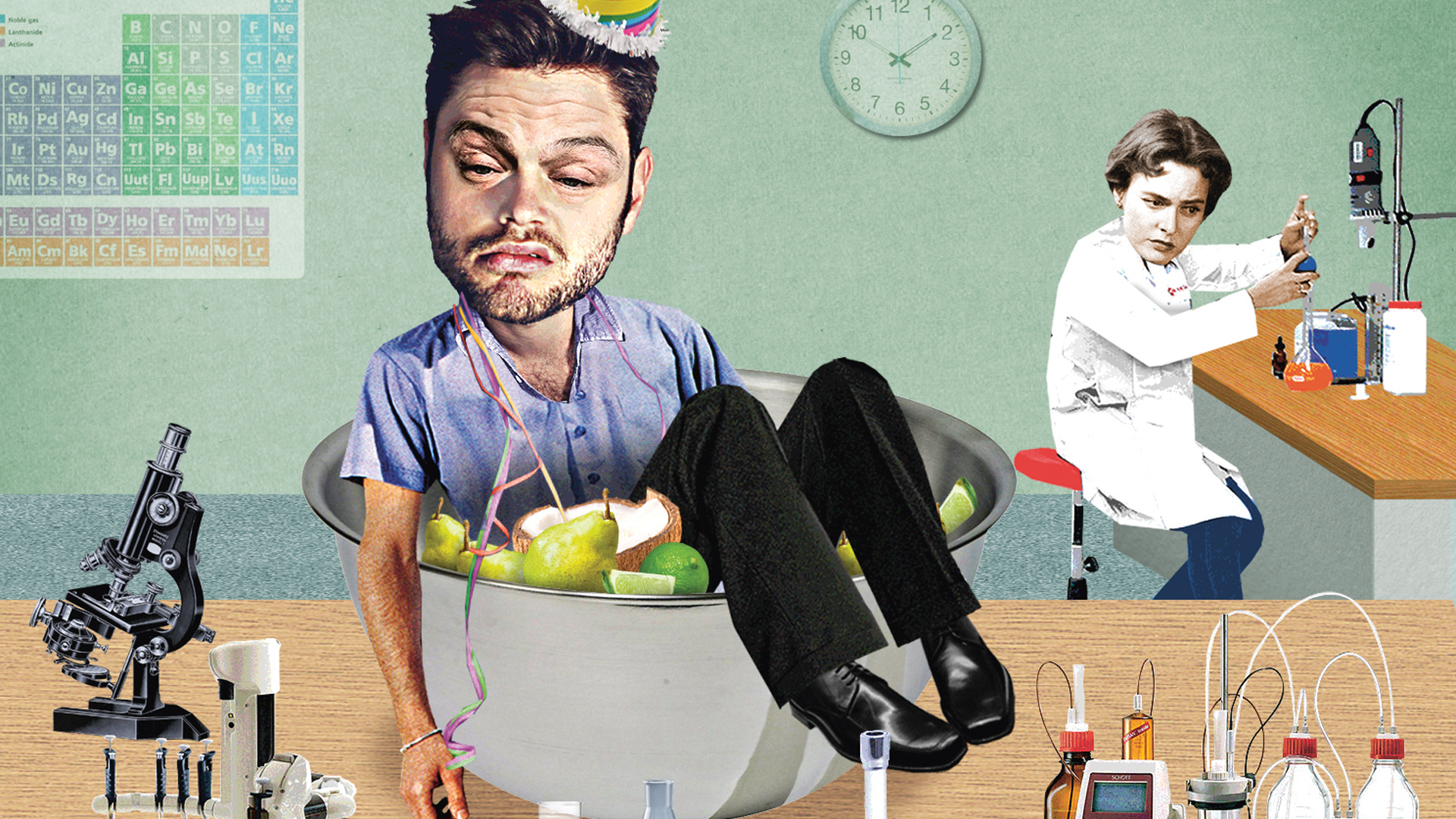
The exhaustive tests were to screen how food influenced alcohol dehydrogenase (ADH) and aldehyde dehydrogenase (ALDH) activities. Long story short – they studied how ingesting each substance breaks down alcohol to halt the oxidative stress and acetaldehyde build-up that leads to a hangover. The result? A beverage made from a blend of sweet lime, pear and coconut water could be used to overcome a hangover. Academics also concluded that their study also “dispels the common belief that an antioxidant could serve as an anti-hangover product”.
But as Sky News, The Daily Telegraph and others pointed out, the foods closely associated with hangover recovery are often more of the stodgy, fatty kind. So while the scientists might have cracked the science of the ultimate hangover cure, there is more to it than just the science.
One of the main issues that count against the new ultimate hangover cure is that the main ingredients –pear juice, sweet lime and coconut water – are not mainstays in the majority of households. Especially not when compared to the contents of a fry-up – whether vegetarian or otherwise.
It could also be argued that fewer homes have the necessary equipment – juicers, smoothie makers and so on – to make the new cure.
Fry-ups remain extremely popular. A YouGov poll in 2017 found that 83 per cent of English people say they enjoy a full English, while more than half say they like it a lot.
And the pollsters have also tackled the question of Brits’ favourite hangover cures. Unsurprisingly, drinking water came out on top, with 75 per cent of people quizzed opting for it. Painkillers followed at 46 per cent, ahead of eating toast and greasy food on 27 per cent each.
Drinking coffee came next with 24 per cent, while vitamin supplements languished at the bottom at seven per cent.
Who knows where the new hangover cure may fit into this pecking order, but it may need to do some convincing to earn its ultimate tag.
Illustration: Miles Cole