Advertising helps fund Big Issue’s mission to end poverty
Housing

Since 2010 rough sleeper numbers have been spiralling. Why?

The Big Issue investigates the scale of an increasing homelessness problem in Britain

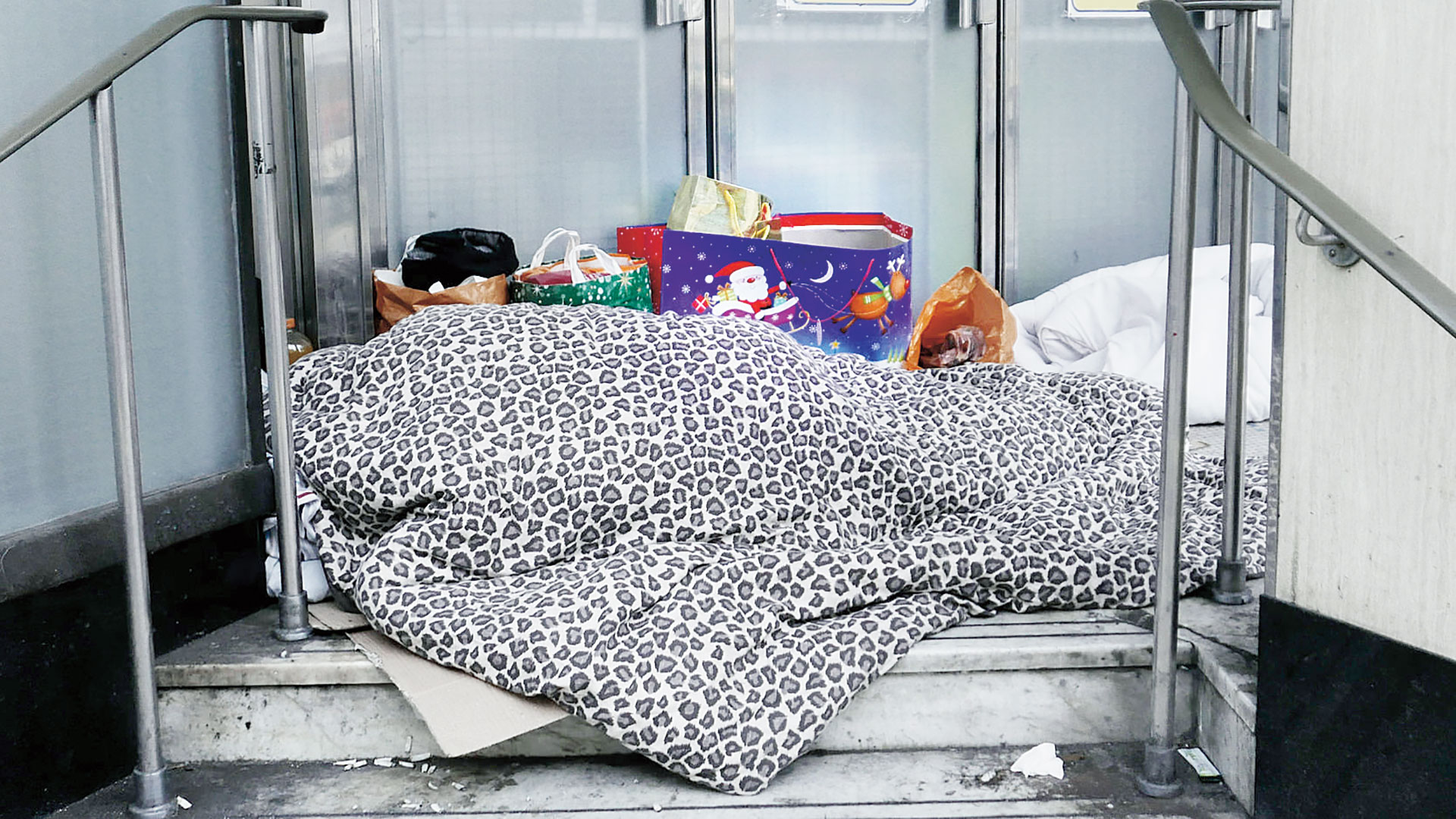
Rough sleeping is on the rise. The latest stats bear out what anyone walking around major cities like Manchester, Glasgow and London early in the morning or late in the evening already know: a growing number of people are sleeping in Britain’s doorways, bus stations, bin shelters, parks and underpasses.

New figures show 4,134 people are now sleeping rough in England on any given night – a 16 per cent increase compared to the previous year. This is the sixth successive year of rising numbers, an uninterrupted trend since 2010. The government snapshot figures may even be an under-estimate of the problem. The Chain network of homelessness charities counted 8,096 rough sleepers in London alone during the last recorded year, 2015-16.

The idea of anyone having to sleep outdoors upsets people, especially during winter. But the outrage about the latest rise is accompanied by a growing sense of despair that the problem is getting steadily worse. St Mungo charity’s chief executive Howard Sinclair describes the return of the epidemic not seen since the 1980s and early 1990s as “nothing short of a scandal”.

So how did it get quite so bad? Why are so many people falling through the safety net we assume our society still provides?

The awful truth is that rough sleeping is only the most visible symptom of the intense housing woes affecting tens of thousands of others

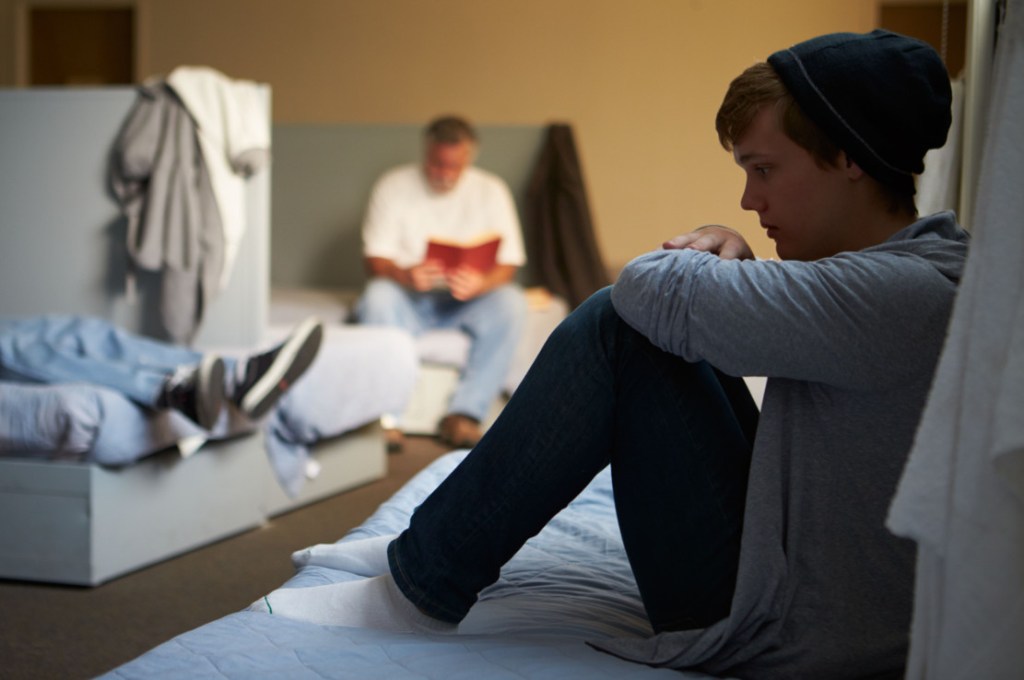
Charities dealing with the sharp end of homelessness point to a reduction in funding to hostel and supported accommodation. Bed space numbers have fallen 16 per cent since 2010, and 41 per cent of these emergency providers have experienced funding cuts in the same period.

Advertising helps fund Big Issue’s mission to end poverty

Labour’s shadow housing minister John Healey has made the wider point about the welfare system, pointing to the coming of the coalition government in 2010 and the slew of benefit cuts introduced since then. Cuts to housing benefit and Employment and Support Allowance, the overall benefit cap, and real-term reductions in tax credits and child benefit have all made life harder for people who may have already struggled to keep roofs over their heads.

Others still point to changes in working life and business practice. There is the growth in insecure part-time jobs and zero-hour contracts, and the rise in online gambling and the fixed-odds betting terminals (FOBTs) found in high street bookies, sucking larger-than-ever sums of money out of already poor communities. The Campaign for Fairer Gambling states £470m is being lost to FOBTs each year in the country’s 55 most deprived boroughs.

If all of this goes some way to explaining why many people are falling from poverty into destitution, it still doesn’t get near explaining the scale of the nation’s housing crisis. The awful truth is that rough sleeping is only the most visible symptom of the intense housing woes affecting tens of thousands of others. For every person you might pass in an empty high street doorway, there may well be dozens of people in flats above the shops struggling with squalid conditions, rent arrears and looming deadlines to pack up and leave.

Keep reading the journalism that powers our mission

Register free to continue and learn more about the stories, campaigns and the support we provide, helping people facing poverty across the UK.

New figures show 4,134 people are now sleeping rough in England on any given nigh

The desperate lack of decent, affordable social housing is absolutely critical here. The long decline of council housing since the beginning of the Right to Buy has left local authorities with huge waiting lists. Almost 60,000 individuals and families were accepted as homeless by councils in England and Wales last year, and a further 28,000 in Scotland, but there remains precious little councils can do for them, except send them off to stay on friends’ sofas or place them in B&Bs and slum-end private lets.

Although local authority housing managers were once able to prioritise single mothers with children, the shortage in London has become so acute that many councils have been forced to place families into dire accommodation outside of the city, far from the places many of them grew up.

The latest figures show councils across the UK spent £3.5bn over the past five years on temporary accommodation for those with nowhere else to go – a 43 per cent increase over the period.

So rough sleeping, sadly, is only the tip of an iceberg. We mourn the fate of rough sleepers as if it were a strange and distinct problem, one to be addressed in isolation. But it is an issue connected to the deeper, wider state of housing in Britain today: the lack of options and insecurity faced by millions of people.

HOW YOU CAN HELP

Readers often ask us what they can do to help those at the sharp end of Britain’s housing crisis – the men and women who have no option but to sleep on the streets. By buying this magazine you are providing your vendor with a vital human connection – an interaction that allows them to lift themselves up and face the world with self-respect.

Advertising helps fund Big Issue’s mission to end poverty

Do you know how Big Issue 'really' works?

Watch this simple explanation.

Recommended for you

View all
Big Issue founder leads call for a national empty homes strategy: 'A completely wasted resource'
Big Issue founder Lord John Bird at a House of Lords debate on empty homes
Housing

Big Issue founder leads call for a national empty homes strategy: 'A completely wasted resource'

Don’t be fooled: reviving the Help to Buy scheme won’t make housing more affordable in 2026
Housing minister Matthew Pennycook with two other people, all in hi-vis with hard hats
Maya Singer Hobbs

Don’t be fooled: reviving the Help to Buy scheme won’t make housing more affordable in 2026

Council spending on housing homeless families in England at almost £3bn a year: ‘It’s crippling’
Jordan has been in and out of homelessness services for many years. Now in temporary accommodation, Jordan has been supported with his mental health and is positively moving forward.
Housing

Council spending on housing homeless families in England at almost £3bn a year: ‘It’s crippling’

'I grew up in social housing and now I'm going to Harvard. It's given me drive to change the world'
Monay Thomas in a graduation gown and mortar board celebrating her graduation from LSE
Education

'I grew up in social housing and now I'm going to Harvard. It's given me drive to change the world'