Advertising helps fund Big Issue’s mission to end poverty
Housing

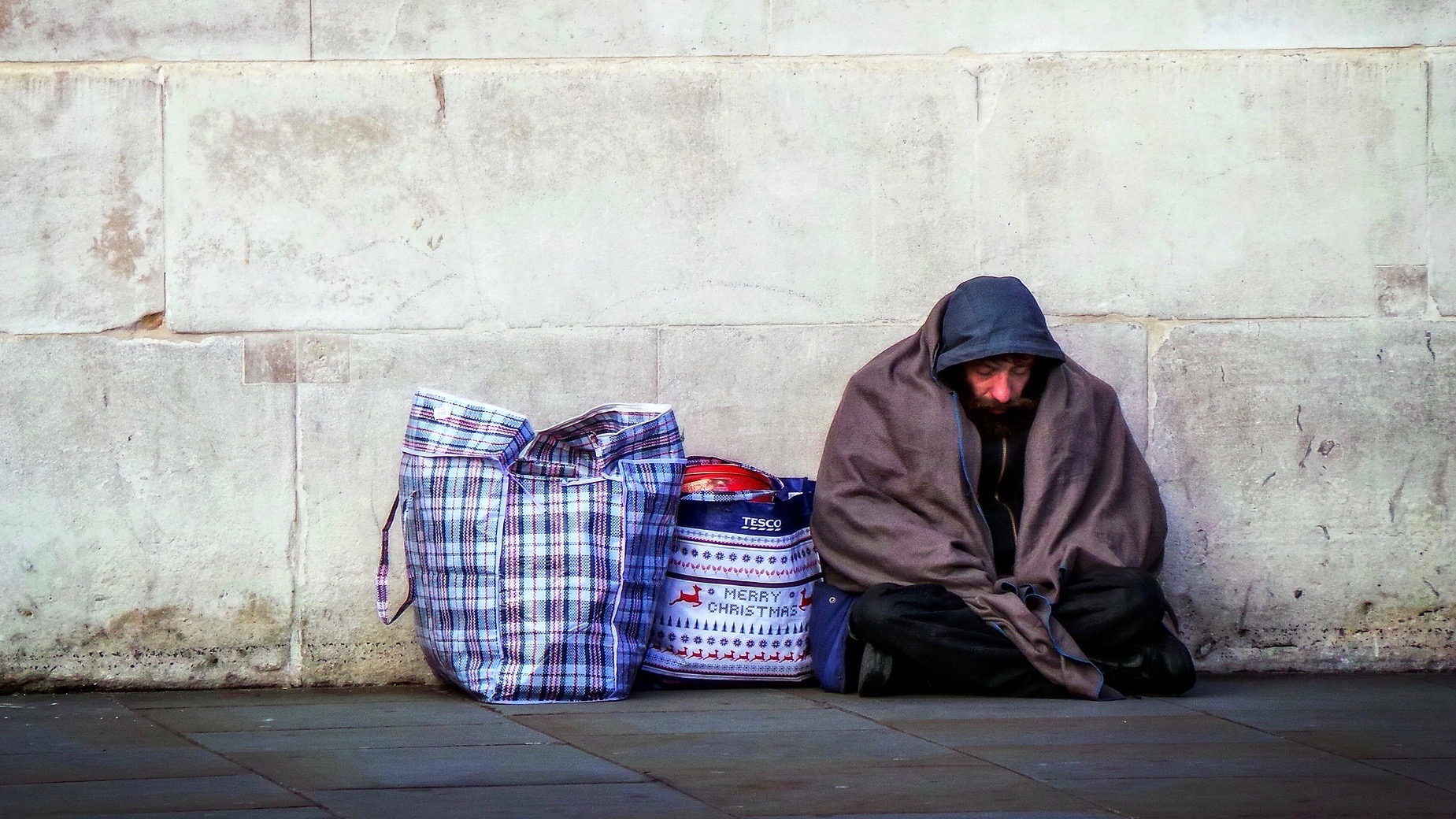
The number of homeless people dying on Britain's streets has doubled

An investigation by the Guardian has found more than 200 homeless people have died over the last five years

homeless deaths

More than 200 homeless people have died on Britain’s streets since 2013, with the number of deaths rising year over year, according to an investigation published by the Guardian newspaper today.

Over the last five years, the number of homeless people and rough sleepers recorded dying in temporary accommodations or on the streets has doubled, with at least 70 deaths in 2017 compared to 31 in 2013.

These figures have been compiled by the Guardian, which asked via Freedom of Information request all local authorities in England, Wales, Scotland and Northern Ireland publish how many rough sleepers died in their respective council’s territory in the last five years. The Guardian found that at least 230 people have died over that period.

Petra Salva, director of rough sleeper services at charity St Mungo’s, told The Big Issue this morning that rising death rate is a scandal.

“Rough sleeping is harmful, dangerous and dehumanising and yet there are at least 4,751 people sleeping rough every night in England. This number has increased by 169 per cent since 2010,” said Salva.

“We want to see Safeguarding Adult Boards always carrying out a Safeguarding Adults Review where someone dies while sleeping rough. Investigating deaths will help identify issues around care and where more help is needed to move people off the street and out of danger.”

Advertising helps fund Big Issue’s mission to end poverty

Earlier in April the government enforced the Homelessness Reduction Act across England and Wales. By intervening before people face the realities of living on the streets, The Big Issue is hoping that the tide of homeless households heading into temporary accommodation – which rose by four per cent year-on-year to 78,930 households between October and December 2017, is stemmed.

To do this, the Homelessness Reduction Act will ensure that local authorities must take “all reasonable steps” to prevent homelessness on the proviso that applicants who are either homeless or threatened with the loss of their homes “co-operate” with councils.

Local authorities will have a legal duty to provide meaningful support under the Homelessness Reduction Act. This means that the onus will be on them to provide expert advice and information on how to prevent homelessness to meet the needs of groups most at risk, such as ex-prisoners, care leavers, armed forces veterans, domestic abuse survivors and people living with ill mental health.

Advertising helps fund Big Issue’s mission to end poverty

Do you know how Big Issue 'really' works?

Watch this simple explanation.

Recommended for you

View all
Two-thirds of renters left waiting for emergency repairs by 'rule-breaking' letting agents
An electrician holding cut wires
Housing

Two-thirds of renters left waiting for emergency repairs by 'rule-breaking' letting agents

A new scheme is offering £50,000 to families who don’t buy their home through Right To Buy
Brighton and Hove
Housing

A new scheme is offering £50,000 to families who don’t buy their home through Right To Buy

Big Issue vendors and their dogs take housing fight to parliament: 'I’d be lost without her'
Big Issue vendor Ian Duff and dog Trigger outside parliament
Housing

Big Issue vendors and their dogs take housing fight to parliament: 'I’d be lost without her'

‘My landlord doubled my rent after watching TikTok’: How to challenge unfair rent increases
London renter Pete Ely pictured outside
Renting

‘My landlord doubled my rent after watching TikTok’: How to challenge unfair rent increases