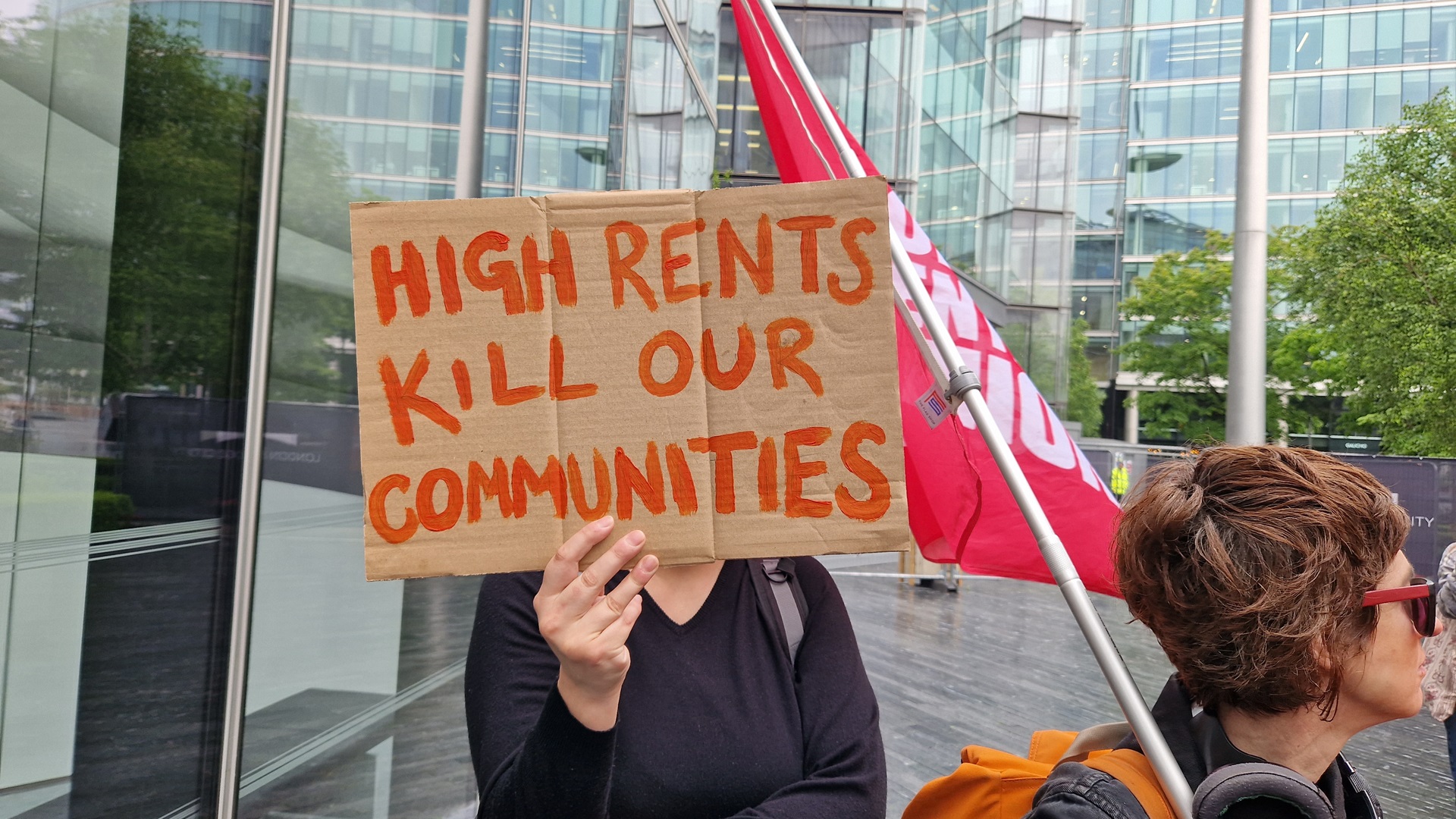
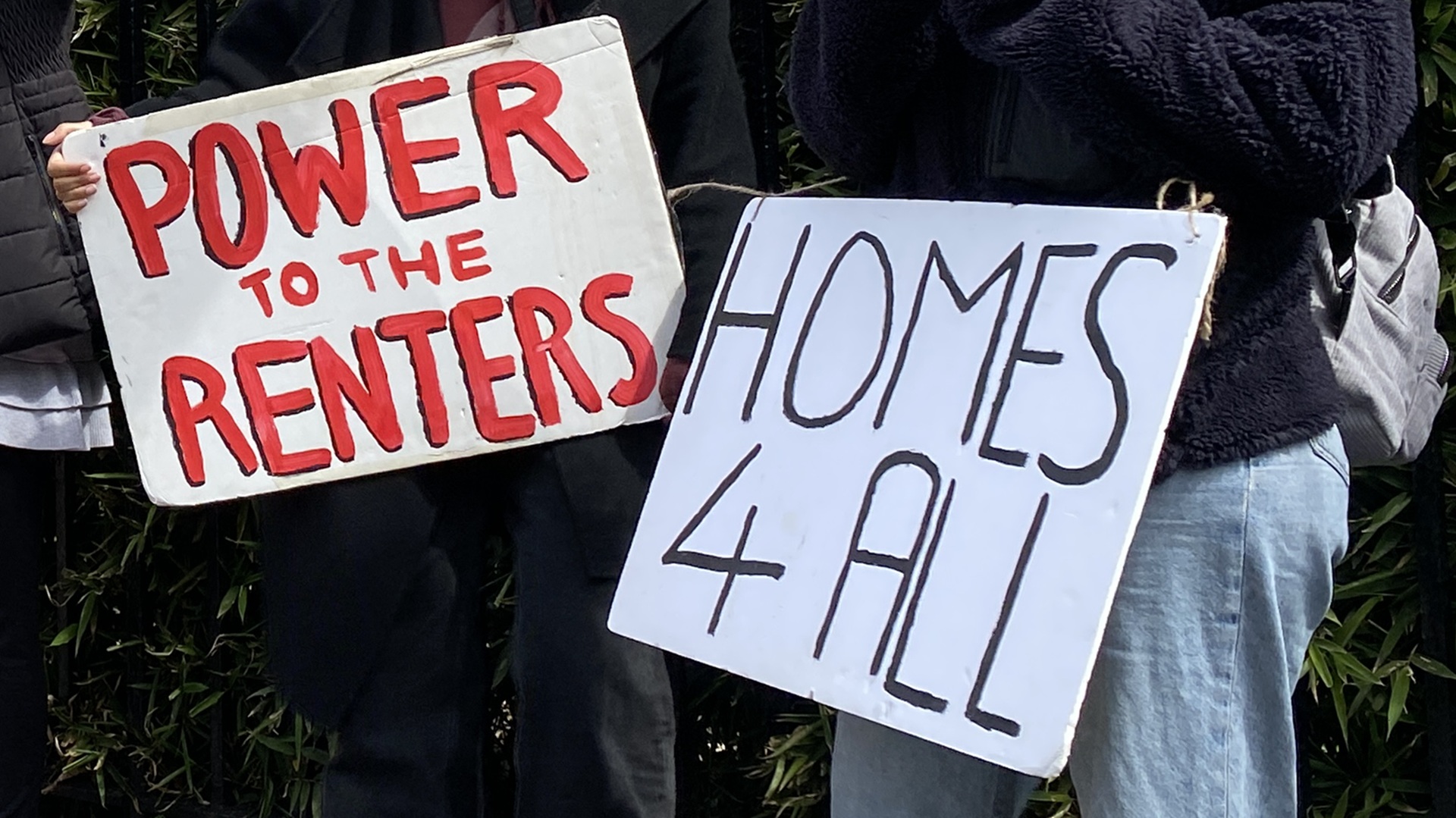
The ground-breaking law abolishes no-fault evictions on 1 May, which allow landlords to evict tenants without giving a reason, and are considered a leading driver of homelessness. It will also aim to drive up standards through Awaab’s Law and a new decent homes standard, prevent landlords and letting agents stoking bidding wars and give tenants more security and rights, including to keep a pet.
While the legislation has been criticised for failing to shield renters from record-high rents, it has also been praised as the “biggest change to renters’ rights in a generation”.
So what exactly is the Renters’ Rights Act, and how will it change things for tenants and landlords?
The Renters’ Rights Act is bringing in several changes on 1 May that will have an impact on renters in England, all of which are laid out on the government’s website.
Advertising helps fund Big Issue’s mission to end poverty
Advertising helps fund Big Issue’s mission to end poverty
Among the changes include abolishing section 21 evictions, which Generation Rent describes as a “leading cause of homelessness”. A section 21 eviction allows a landlord to ask a tenant to leave without having to provide a specific reason or fault, which is why it’s often called a no-fault eviction.
Under the Renters’ Rights Act, however, in the majority of cases, a landlord will only be able to evict a tenant if they want to sell, move into, or move a family member into the property – with notice periods doubling from two months to four. This will mean renters have more protection from being evicted from their home on short notice.
Among the other changes, the Renters’ Rights Act will mean rolling tenancies for all, rather than a fixed-term rental agreement that lasts for a specific, set period, an end to rental bidding wars and more power for tenants to challenge rent hikes.
Keep reading the journalism that powers our mission
Register free to continue and learn more about the stories, campaigns and the support we provide, helping people facing poverty across the UK.
Landlords will only be able to charge four weeks’ rent upfront while tenants will be given the right to request a pet and more powers to hold their landlord to account.
Letting agents and landlords will also be banned from discriminating against prospective tenants who receive benefits or have children.
Renters and community union Acorn said the Renters’ Rights Act marks the biggest change to renters’ rights in a generation, affecting around 12 million renters across England.
Advertising helps fund Big Issue’s mission to end poverty
Chelsea Phillips, Acorn national chair said: “We won this. This wasn’t just handed to us from above. It came from more than 10 years of tenants organising, taking action, and refusing to accept a system that wasn’t working for us.”
“For too long, renters have lived with the constant threat of eviction and rising rents. People have been afraid to speak up in case it cost them their home,” Phillips added.
“This starts to take that power back from landlords. It means renters can finally speak up when things go wrong, stay in their homes, and actually build stable lives where they live.”
Amy Hughes, advice manager at Citizens Advice, added that the legislation will “address the historic power imbalance in the private rental sector and give tenants the security they deserve in their homes.”
“Our advisers have seen the devastating impact ‘no fault’ evictions can have. Now landlords will only be able to evict tenants for specific reasons, like rent arrears, antisocial behaviour, or where they need to sell the property,” Hughes explained.
“For too long, tenants have faced the threat of eviction for simply speaking out against bad landlord behaviour or poor conditions. The new laws will see an end to these retaliatory practices and deliver a welcome boost to private renters’ rights.”
Advertising helps fund Big Issue’s mission to end poverty
Jo Winter said the instability of renting has been ‘really stressful’. Image: Supplied
What does the Renters’ Rights Act mean for tenants?
Among the biggest changes for renters is ending section 21 evictions, and the ability to challenge rent hikes. Private rents have reached record highs in recent years, rising 8% in the last two years alone. That’s almost £1,200 more expensive over the course of a year, on average.
The new legislation means rent increases are limited to once annually, and if a tenant believes the rent increase is above the market rate, they can dispute it through a first-tier tribunal.
As Citizens Advice revealed it has helped 2,335 people with a no-fault eviction in March, renters have told the Big Issue about how being evicted under section 21 has affected their lives.
Joanne Winter, 28, explained that her experience of renting in London has been defined by instability, stress and constant uncertainty ahead of April 2026’s National Housing Demonstration.
Three years ago, while living in a shared warehouse in North London, “the whole flat received an eviction notice” amid “really bad disrepair”.
“That was the first time I realised that if your housing is disrupted and stressful, it kind of radiates out into every other part of your life… if you don’t have a stable base everything else becomes very difficult,” she explained.
Advertising helps fund Big Issue’s mission to end poverty
Mum-of-three Joanica Carlos Pereira Oquiniame added that renting is “extremely difficult” because she is on benefits. She was served with an eviction notice in May 2024 before receiving a second one just five days into 2026.
“It was very, very challenging to find a place to rent,” she told the Big Issue. “I felt discriminated against because of benefits. Every time I called to ask about the property, everything would go smoothly but then when I mention if they accept DSS, everything changes.”
Experts explain that the Renters’ Rights Act will give renters across England more protections, but that it’s important to take the time to understand those rights – including how to hold their landlords accountable and make sure the new rules are being followed.
Ben Twomey, chief executive at Generation Rent, said: “This new law is a vital step towards re-balancing power between renters and landlords and should be celebrated.”
“Our homes are the foundations of our lives, but, for decades, section 21 evictions forced renters to live in fear of being turfed out of our homes, preventing us from raising valid concerns with our landlords. At last, this outdated and unfair law has been sent packing,” Twomey added.
He added that Shelter research had found “someone approaches a local authority as homeless every 21 minutes due to section 21” and that the “threat of retaliatory eviction has left renters terrified of asking their landlord for repairs to the home or to challenge unaffordable rent increases”.
Advertising helps fund Big Issue’s mission to end poverty
“Scrapping section 21 will help renters put down roots in their communities and advocate for themselves and the home they live in,” he said.
Fair renting organisations have underlined that the legislation falls short in many areas, however, with the soaring cost of private rent still a major issue across the country.
“The new law will not bring down the soaring cost of renting. On average, renters in England spend over 36% of our income on rent,” Twomey said. “This can mean children are going to school hungry or older renters who can’t afford to turn the heating on.”
“High rents trap people in homelessness and suck money out of local communities. The government must urgently give metro mayors the power to slam the brakes on soaring rents through limiting rent increases,” he added.
Michael Woolf, private rented sector coordinator at homelessness charity St Mungo’s, explained that the legislation would better help renters with budgeting, as rent increases will be “limited to once a year, with the right to challenge excessive rises”, however the legislation could have gone further to protect renters.
“Whilst we welcome the act, we would have preferred not to have a phased introduction to the new measures. A decent homes standard, for example, will be implemented in 2035, but this is needed now,” Woolf said. “We are cautiously optimistic that the act will provide better protection for tenants, however, we are keen to ensure accountability and that enforcement of the act is fully implemented.”
Advertising helps fund Big Issue’s mission to end poverty
He added that accountability is key, explaining: “At present, landlords cannot refuse to rent out a property to a person receiving benefits, however, this is not being enforced. If a client is evicted, for the valid reason, that the landlord wants to occupy the property for themselves or family members, what evidence will be required to ensure that this has happened, and who will follow up to check that, two months down the line, the same property is not being offered to rent?”
The Renters’ Rights Bill is supposed to shift the power balance between landlords and renters. Image: London Renters Union
What does the Renters’ Rights Act mean for landlords?
Landlords will have to be aware of all of the changes laid out in the legislation, as non-compliance may be met with fines. For example if a landlord continues to allow bidding wars for rent on their properties. Fines can be up to £7,000 for minor or initial non-compliance and up to £40,000 for repeat offences.
With section 21 abolished, landlords will have to use other grounds for eviction to repossess a property. That includes section 8, which allows a tenant to be evicted after accruing more than three months of rent arrears. Other grounds for eviction are explained on the government website, but they include swift measures to recover a property in the case of serious anti-social behaviour or even as a result of being convicted of an offence during a riot.
There has been continous warning from landlord lobby groups that the new legislation will drive landlords to sell their homes and leave the private rented sector.
A survey of landlords across the country has found that four in five landlords (82%) expressed concern about the impact of the legislation on them, with nearly one in two (44%) saying they were “very concerned”.
The research, conducted by Goodlord, also found that three quarters of the landlords surveyed (75%) said the Renters’ Rights Act made them less likely to grow their property portfolios, with half (49%) planning to sell or reduce their stake in the market within the next twelve months.
Advertising helps fund Big Issue’s mission to end poverty
“The Renters’ Rights Act aims to improve outcomes for tenants, but these findings show the scale of concern among landlords about how the changes will work in practice,” said Tom Goodman, managing director at the Goodlord group. “What’s critical now is ensuring the industry has the clarity, tools, and guidance it needs to navigate the transition with confidence.”
Twomey explained, however, that landlords have “had a long time to prepare for these changes”.
“A lot has been made about landlords not being able to regain possession of a home, but they will still be able to evict tenants if they want to sell the home, or move themselves or a family member in,” he explained.
“Homes are the foundations of lives, but evictions shatter those foundations. This law is a recognition that the way we rent has changed dramatically since 1988, with many people locked into renting for life and needing the security of a long-term, secure home.”
Advertising helps fund Big Issue’s mission to end poverty
Buy from your local Big Issue vendor every week – and always take the magazine. It’s how vendors earn with dignity and move forward.
You can also support online: Subscribe to the magazine or support our work with a monthly gift. Your support helps vendors earn, learn and thrive while strengthening our frontline services.
Thank you for standing with Big Issue vendors.
Advertising helps fund Big Issue’s mission to end poverty