Boston is the most pro-Brexit town in the UK. What has leaving the EU changed? 'They got nothing'
Politicians interpreted Brexit
as a howl of discontent from Britain’s forgotten towns. Westminster diverted billions towards the shires to make amends. But has it changed anything?
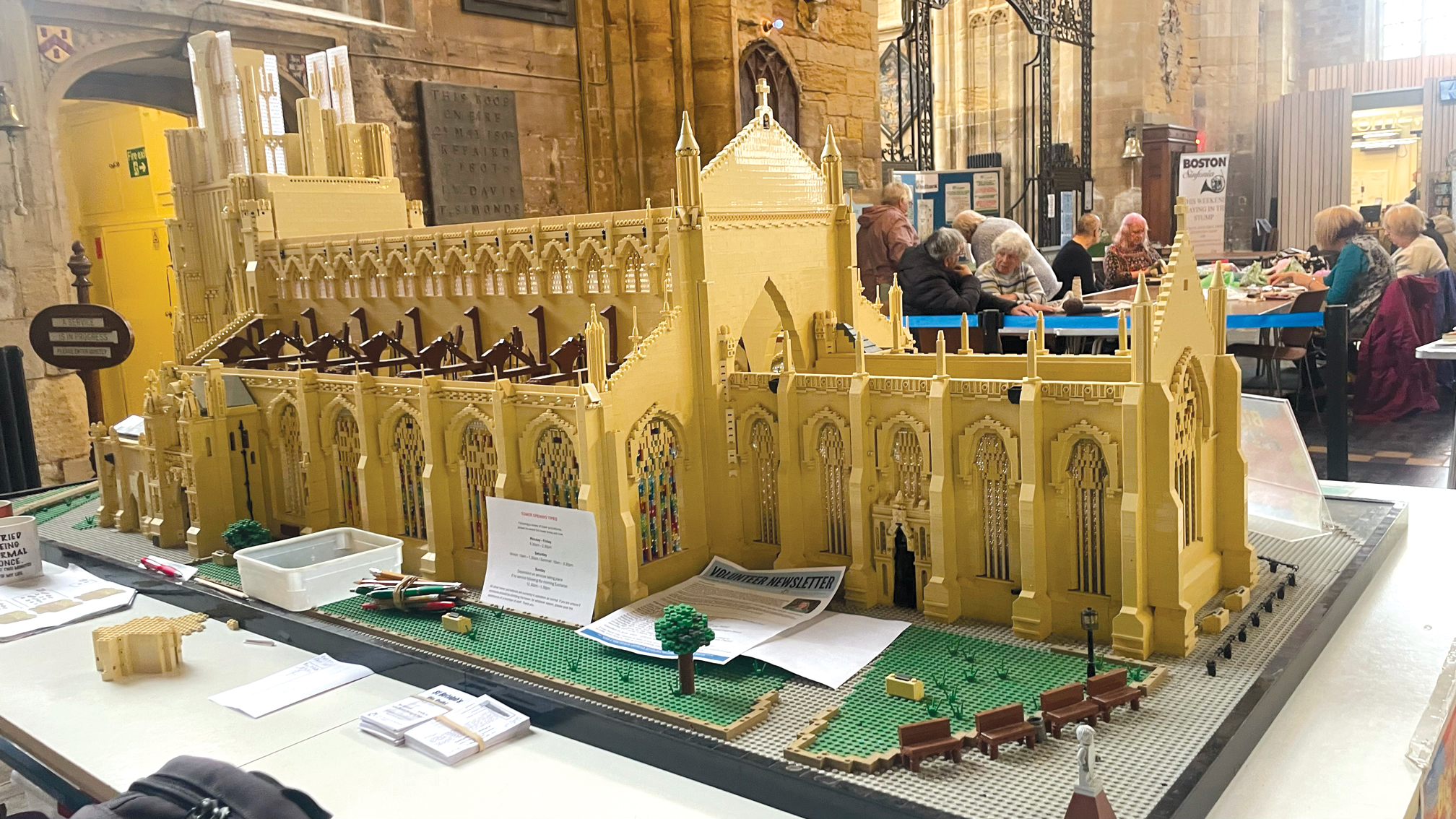
So far, the newest church in Boston has taken a decade to build. Exactly 94,792 bricks have been placed and by the time the tower is completed and the roof put in place, the total will have exceeded 105,000.
One only needs to look around to see what the church will look like when finished: exactly the same as the real St Botolph’s Church it sits inside, except made entirely from Lego. For a brick to be added, it must be sponsored. A volunteer tells me that one man brings his car down from the North for an annual service, has a coffee, and pays for five bricks to be added. Another sponsored the construction of a stained glass window, all 521 bricks of it, in memory of his late wife.
A model of St Botolph’s Church in Boston. Image: Greg Barradale
Construction began in August 2016, weeks after Boston – then a quotidian Lincolnshire market town – gained a kind of infamy. With its 75.6% support for leaving the European Union, Boston became the most Brexit place in the UK.
This month marks a decade since the referendum. Nationally, its legacy is contested. Just one in eight voters believe it has been a success. A quarter of those who voted leave say they would change their mind now. Polls suggest that were a referendum held today, Remain would win.
Brexit has brought down prime ministers, rewritten laws and changed the course of Britain’s history. But what has it done for those who wanted it the most? Boston, as the cradle of Brexit, might have hoped the years after the vote would bring a reshaping. Instead, while volunteers have dutifully placed bricks onto the model church, residents tell Big Issue the promised change has been elusive.
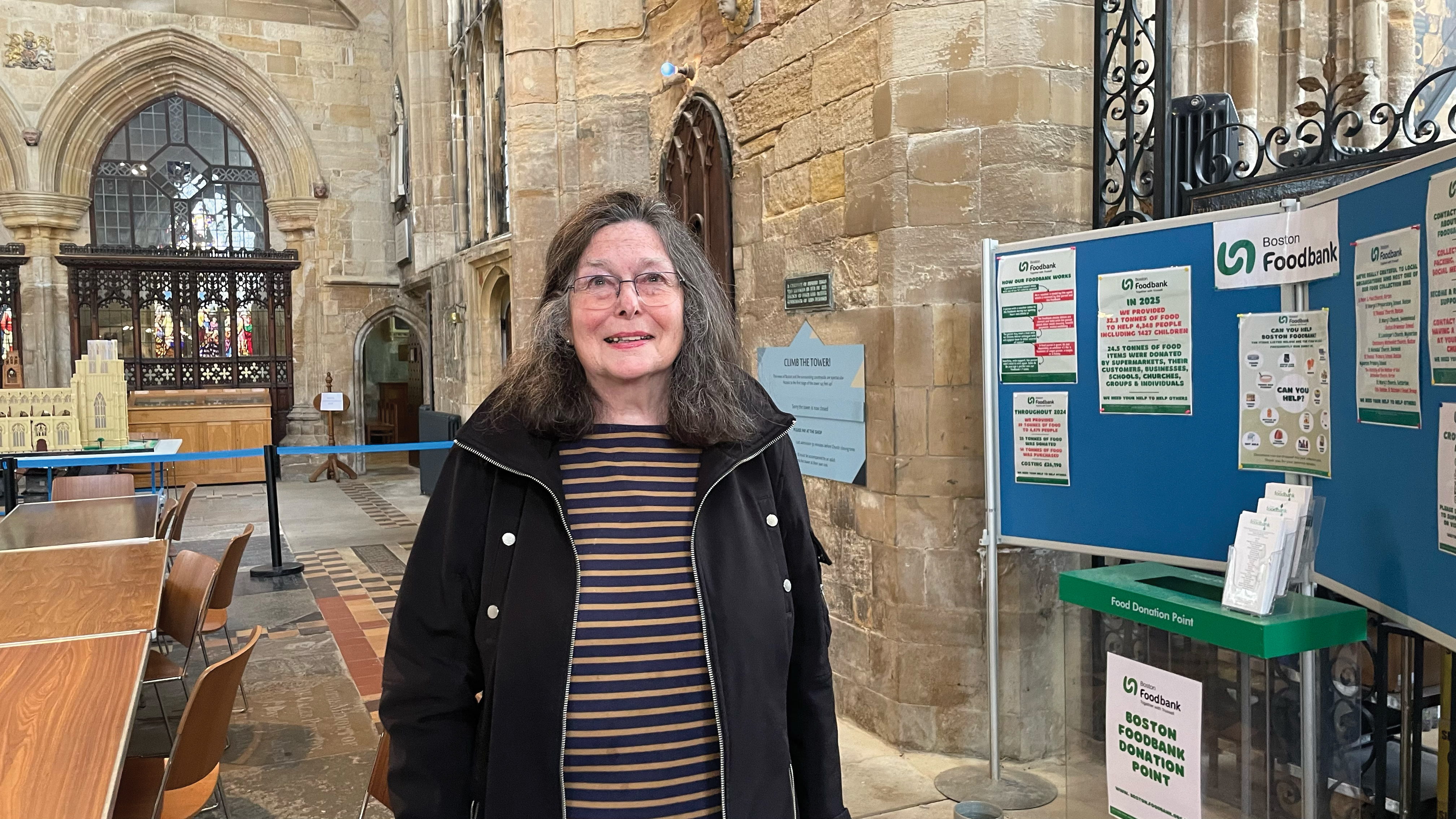
“I wasn’t at allsurprised, really. Not at all, having seen what had happened in the previous 15 years.” Alison Fairman, sitting in the real-size refectory of the real-life St Botolph’s Church, is speaking about the Brexit vote.
Advertising helps fund Big Issue’s mission to end poverty
Advertising helps fund Big Issue’s mission to end poverty
Fairman, who has lived in the town since 1979 and has been made an honorary freeman of Boston, is a member of the Boston Town Board, a group of politicians, local businesspeople and community pillars tasked with regenerating the town.
She believes Boston’s journey to Brexit was a unique one: at the end of the 1990s, as locals became less involved in Boston’s farming trade, the town began to change. First it was Portugese-speaking new arrivals. Then, as Poland and Lithuania joined the EU in 2004, ‘gangmasters’ began bringing buses and minivans of workers to the town. Exploitation was rife, with the gangmasters leaving workers little after deductions from wages and housing them in squalid conditions. From her viewpoint running the local Citizens’ Advice Bureau, Fairman says the change was noticeably rapid.
One year, a few dozen new National Insurance numbers were registered, the next she says it was 10,000 or so. “That is the basis of why the locals were pretty cheesed off, because all of a sudden – and it happened extremely quickly, I’m talking four or five years – all our little areas were now full of people we didn’t know,” says Fairman. “But actually our whole agricultural economy really did rest and expand on the incoming labour that was provided by the gangmasters.”
Keep reading the journalism that powers our mission
Register free to continue and learn more about the stories, campaigns and the support we provide, helping people facing poverty across the UK.
Apart from the flags which pop up now and again, Fairman doesn’t believe Brexit has changed Boston. That’s not to say the town has stayed the same in the decade since.
Widely regarded as a howl of discontent from Britain’s forgotten, provincial places, Brexit gave rise to the Levelling Up agenda. The Boston Town Deal began in 2020, receiving £21.9 million of the £3.6 billion national Towns Fund. The town got £14.8m of Levelling Up funding in 2023. And in March 2026, Westminster endorsed Boston’s plans to spend £20m of Pride in Place funding over the next decade, with the strategy co-opting the ‘taking back control’ language of the leave campaign.
That £50-odd million has repaired shopfronts in the town centre, bringing units back into use. It has revamped the station and is redeveloping the town’s leisure centre. And Rosegarth Square, a neglected offshoot of the city centre, will become a new park.
In St Botolph’s, as Fairman drinks a hot chocolate, community groups gather, local students set up an art show and new underfloor heating beams up heat. Hundreds visit a day, with investment breathing new life into what locals call ‘The Stump’. “At that Brexit time, we had not had a lot of money,” Fairman says. “And perhaps it was a wake-up call to the government, to say ‘if you don’t look after your small towns’…”
But ultimately she doesn’t see the cash as a Brexit dividend, adding: “I don’t think the investment in our town has got anything to do with Brexit, really.”
The big hope is that the funds will attract big business to Boston. “We are beginning to level up. People are noticing that there are changes,” says Fairman. “If we could just get one or two nationals backing Boston, that would make one hell of a difference.”
A pair of post-Brexit arrivals to Boston tell me they’ve noticed little change.
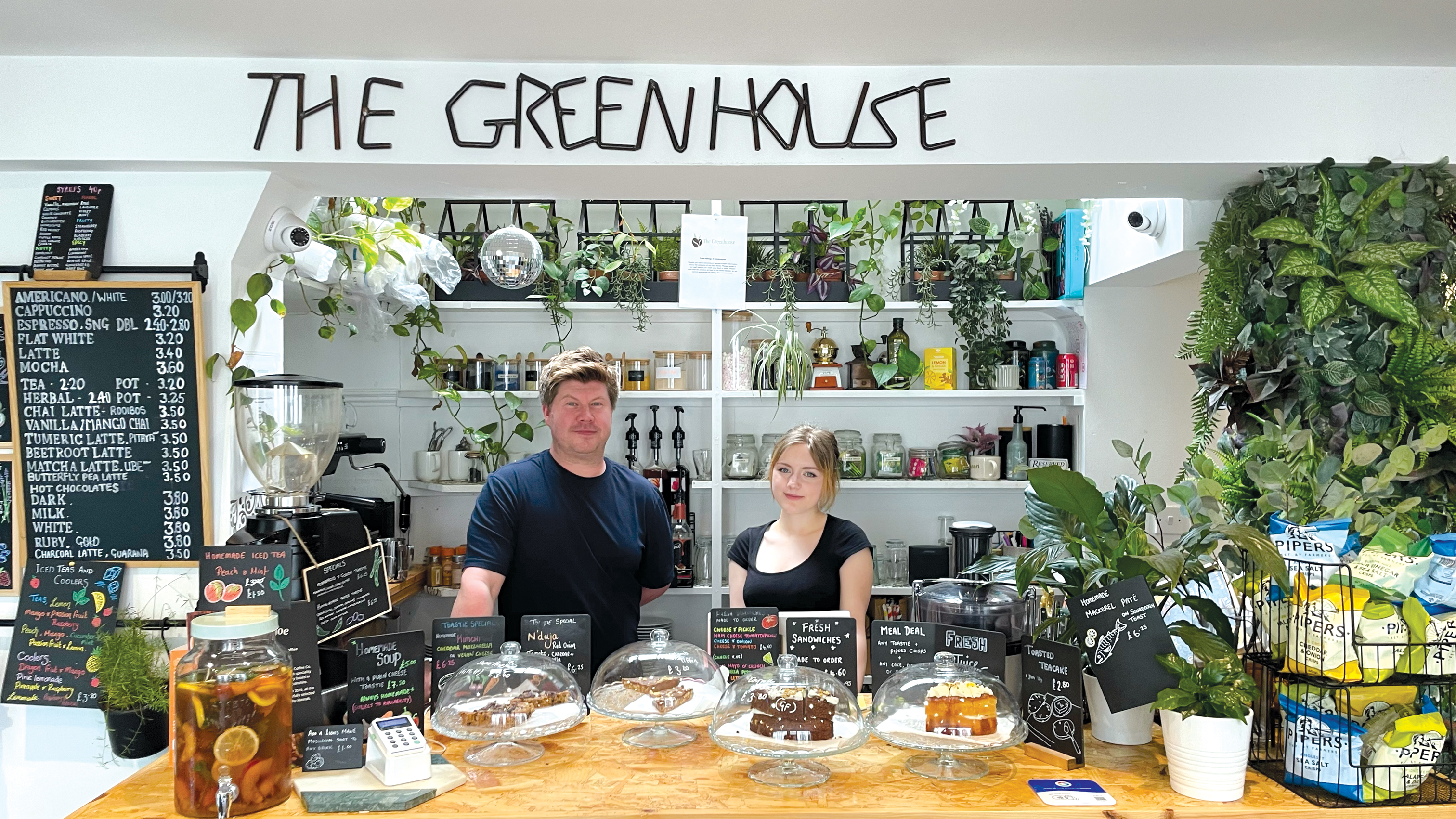
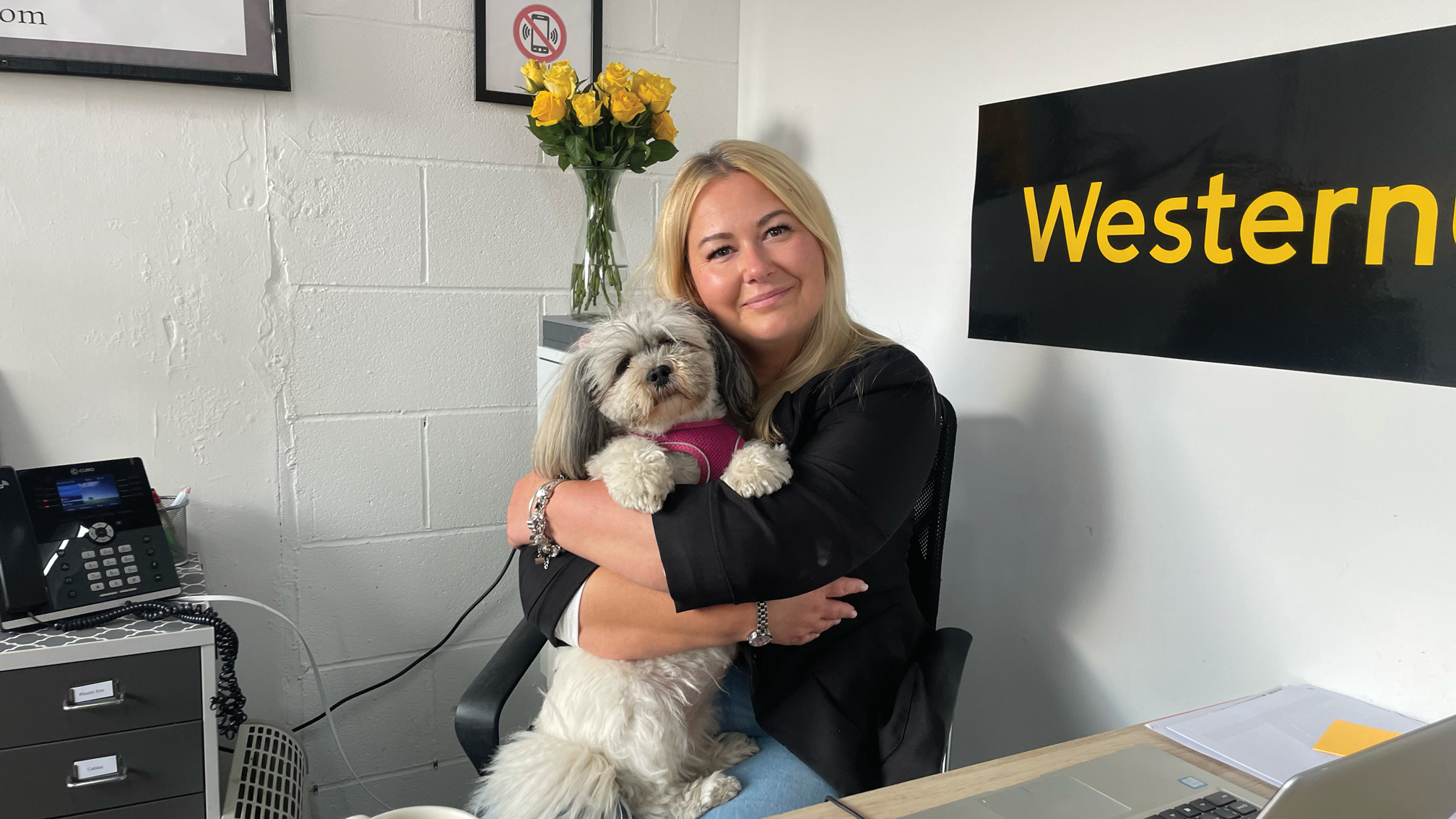
In The Greenhouse coffee shop, Lee Revell explains how he moved from Hertfordshire during the pandemic. Selling his flat down south allowed him to buy a four-bedroom townhouse with an acre garden, and to set up the cafe. There has been a little bit of improvement since he arrived, Revell explains – maintenance of buildings, fines to delinquent landlords.
The Greenhouse in Boston. Image: Greg Barradale
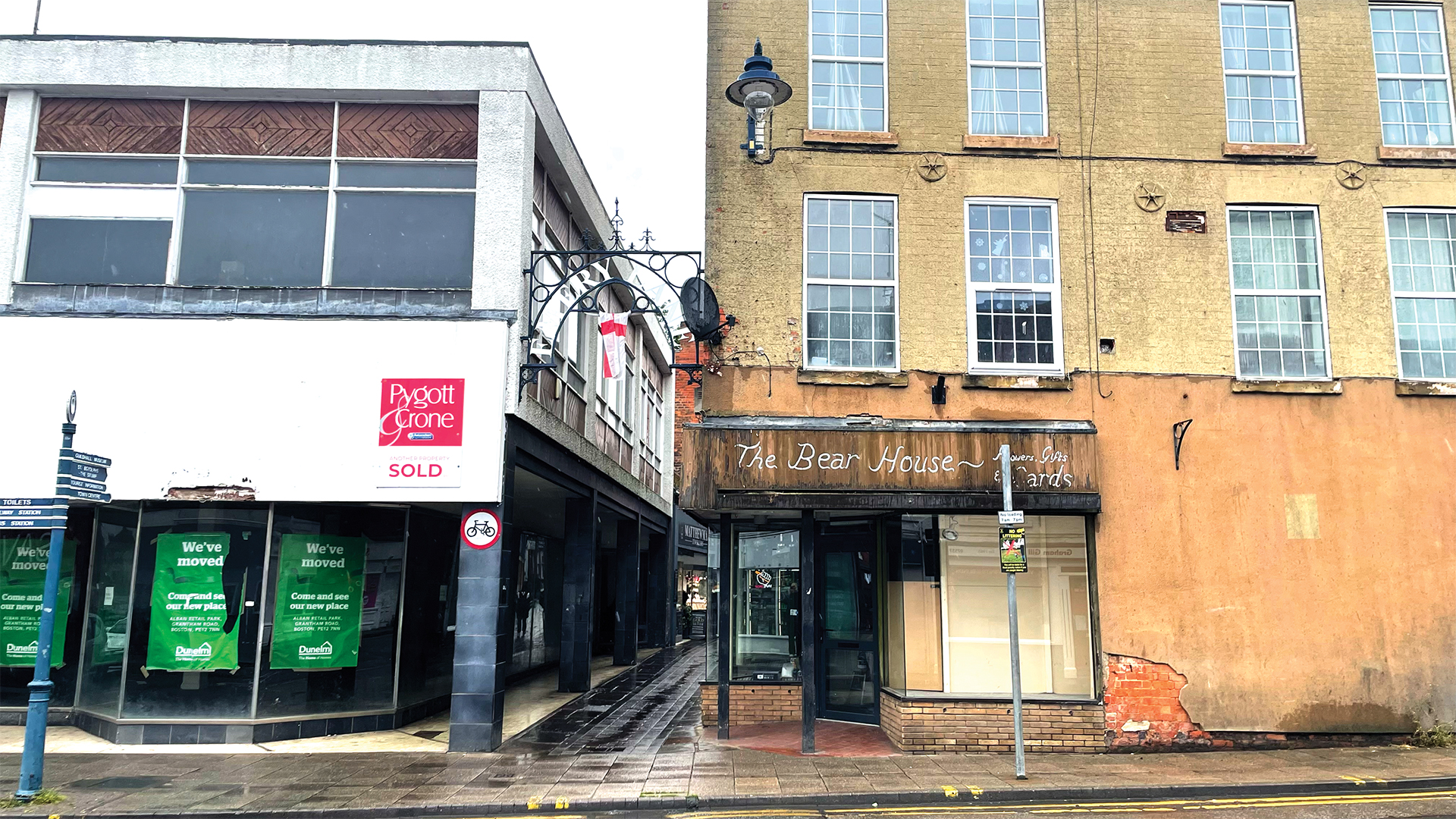
But for the most part, Boston shares the issues of high streets up and down Britain. “You go to any town and it just seems the same. Same number of empty shops, same amount of barber shops. There’s a load of gambling shops here. I just don’t know how they make money to stay open,” Revell says.
Like Revell, John Mould picked Boston because of its affordable property when he moved from the South.
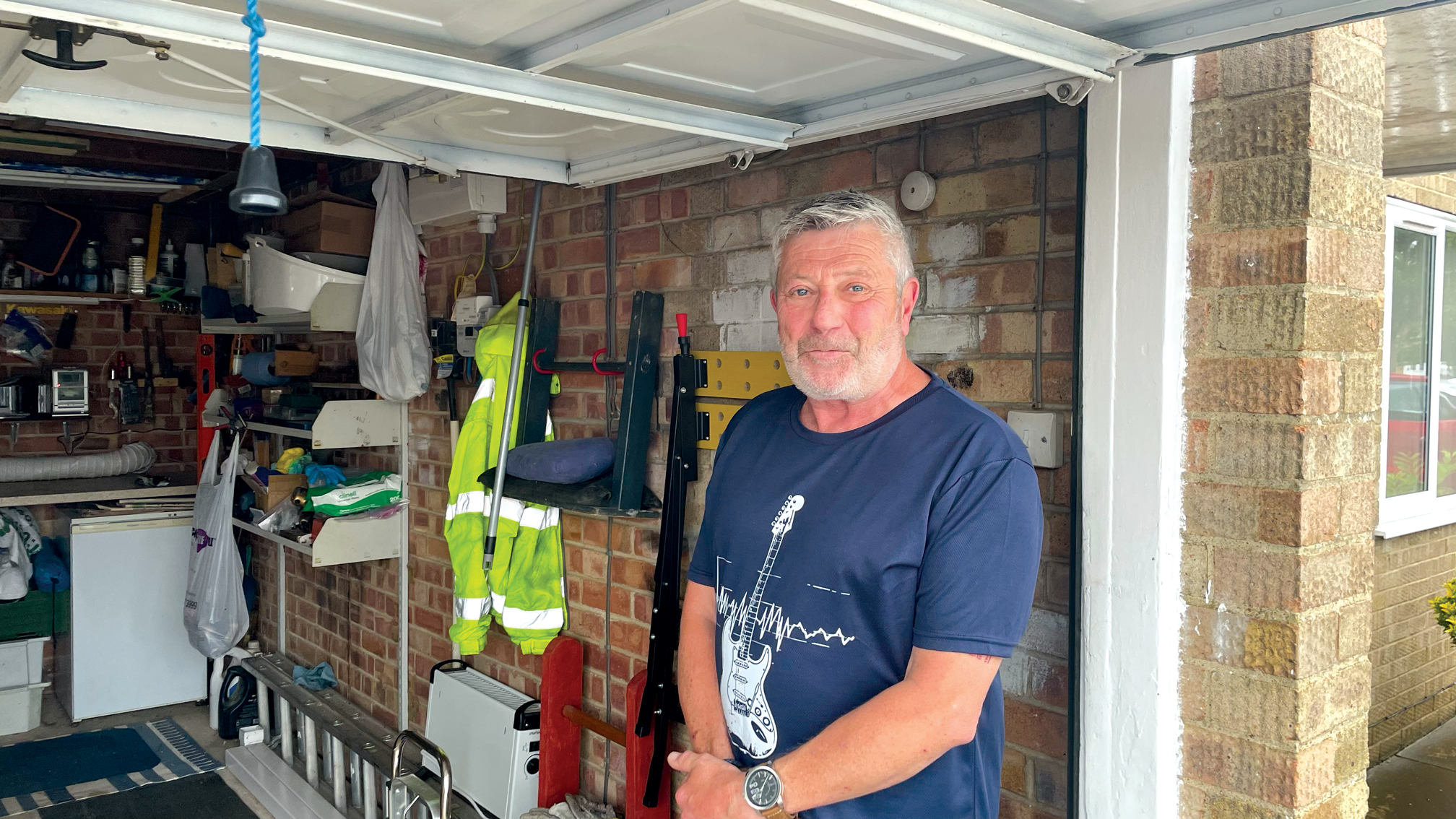
Mould runs the Men’s Shed – part of a network of community groups where men get together, make stuff and talk. Mould explains with pride that it has pulled men back from the brink. But politics is never far away – and very few are happy with the direction of the country. For his part, Mould has seen little change in the town – and like Revell cites barbers and gambling shops. “I’m told it’s not the place it used to be. And in the time I’ve been here, I think it’s got worse,” he says.
John Mould. Image: Greg Barradale
Though millions are pouring in, this perception matters. Brexit is viewed by some academics as an expression of the ‘geography of discontent’ – the idea that politics is shaped by how a community understands its status and value in society. In this view, vibes matter more than material reality. It is not the poorest communities who are the most likely to reject the established order, but those who see national trends diminishing their status, work, and lives. By one poll, almost three- quarters of Bostonians believe they’re not listened to in the making of local decisions. What use, then, are the reports and the millions if locals do not register a change?
Iga Bontoft set up the Lincs-EU migrant advice agency just as Boston chose to vote for Brexit.
She didn’t see it coming. Before the referendum, her work mostly centred around helping new arrivals settle in, dealing with housing, energy bills, benefits and translation. Now, with Brexit done, much of the work revolves around more complex visa issues and settled status admin. The rule changes had a personal impact: when her mother fell ill last year, Bontoft was unable to bring her to the UK, instead flying back and forth to Poland to care for her.
Bontoft worked in the town’s food factories when she first arrived, and soon realised the demand for advice.
“When I’m looking at my clients, my current clients, so many of them, they have health conditions related to that repetitive work, like carpal tunnel,” she says. But she doesn’t come across the exploitation of a decade ago any more.
“I had people who’ve been locked up in small hotel rooms with broken windows, sleeping together and working together, not getting holiday pay, not getting sick pay, and stuff like that, but that’s all in the past,” she says. “I think people are more aware of their rights now.” Brexit, however, has not transformed the town. Bontoft has seen unhappiness from those who backed the leave campaign.
“I think just a wave of disappointment, because obviously people voted Brexit, they were voting pro-change, they wanted to change something,” she says. “What they got is nothing; empty promises, because not much actually changed.”
Iga Bontoft. Image: Greg Barradale
The reality for Boston remains difficult. There are jobs, says a report accompanying the plan to spend the Pride in Place millions, but it is a low-wage, low skill economy. Jobs have disappeared – from 2015 to 2023, around one in six jobs in the town centre were lost, thanks to shops closing. Deprivation is higher, and ‘social trust’ is lower, than the rest of the country. Investment in the town centre has not convinced Bontoft.
“We need to be putting money into different things than decoration, because you can’t just put some makeup on a pig and pretend that it’s a beauty queen,” Bontoft says.
In the wake of the referendum, Bontoft noticed lots of the Polish community leaving – an outflow which has since slowed down significantly. More noticeably, she has seen a difference in how immigrants are perceived. Before the referendum, she explains, “we’ve not been individuals, we have been Eastern European”.
Now, she says with a laugh, there are “bad foreigners and good foreigners”. She will get told: “You Poles are working hard, you Poles are good, we want more people like you.” It is usually the newcomers, often Bulgarian and Romanian, who are blamed for issues. Still, Bontoft is hopeful that as the attention of Brexit recedes, Boston can redefine itself. She says: “We got the badge of the most divided place in Britain, and I just want to get rid of that badge. We don’t need it.”
Buy from your local Big Issue vendor every week – and always take the magazine. It’s how vendors earn with dignity and move forward.
You can also support online: Subscribe to the magazine or support our work with a monthly gift. Your support helps vendors earn, learn and thrive while strengthening our frontline services.
Thank you for standing with Big Issue vendors.
Advertising helps fund Big Issue’s mission to end poverty