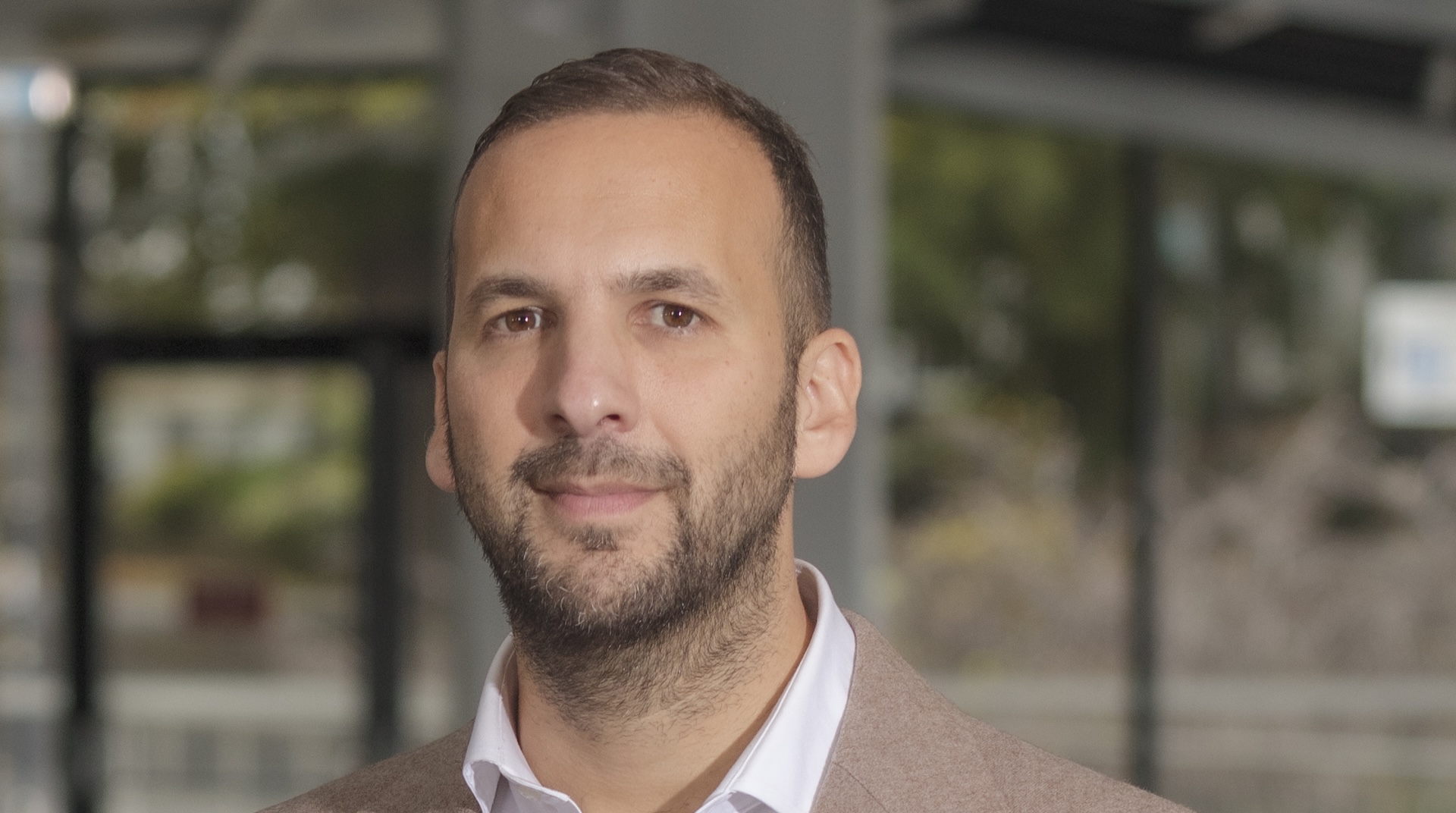
Dimitri Zenghelis, an associate at the Bennett School of Public Policy at the University of Cambridge, said he is among a growing number of economists “convinced of the need for nations to move beyond GDP”.
A number of economists worldwide, including Zenghelis, recently wrote to the United Nations Secretary General noting that “not all well-being indicators can be core measures of progress. If all are deemed so, then none truly is. Like it or not, a decision must be made about what is truly core in the context of measuring progress”.
Another signatory included Sir Partha Dasgupta, Zenghelis’ colleague at the University of Cambridge, who authored the government’s review on natural capital.
Keep reading the journalism that powers our mission
Register free to continue and learn more about the stories, campaigns and the support we provide, helping people facing poverty across the UK.
“This is jargon for how we should look after nature and learn to live in harmony with the biosphere, which is the ultimate provider of life and wellbeing. Instead, our current systems deplete and degrade the environment on which we depend,” Zenghelis explained.
“Instead of focussing on GDP, to the near exclusion of all else, we propose a focus on comprehensive wealth accounting on the principle that measures of wealth and income offer perhaps the greatest insight into well-being and, importantly, its sustainability.”
Read more:
Advertising helps fund Big Issue’s mission to end poverty
Why the government might decide to stick with GDP
“GDP isn’t going anywhere. It underpins many global financial systems and still captures the news
agenda whenever growth figures surprise or disappoint,” said Davidson.
Zenghelis added: “The aim should not be to replace GDP, but to refine our understanding of it and rebalance policymakers’ attention.”
He explained that GDP is a standardised metric, and it is rigorously measured and comparable
across countries and (to an extent) through time. It has undergone decades of international investment in the tools, surveys and methodologies to properly construct it.
“This has made it a powerful statistic for measuring the flow of economic activity,” said Zenghelis.
“Moreover, even though GDP does not measure happiness and wealth, or freedoms and rights or love and respect – all things we care deeply about – it does correlate with many other things we care about like health, scientific prowess, equality under law and equal opportunity. Cast your eye on a list of countries from high to low GDP and they will tend to reflect a ranking of human freedoms,
democracy, gay rights, infant mortality and cultural prowess.
“Ignoring GDP would therefore be ill-advised. GDP does what it does, and it does it well. But it misses out a lot that matters too. For example, chopping down a forest raises GDP as it provides a flow of production and income. But it lowers our stock of wealth, which would enable us to live better in the future. A race to maximise GDP can therefore have very negative consequences.”
Advertising helps fund Big Issue’s mission to end poverty
Zenghelis suggests that there is merit in a ‘dashboard’ approach, keeping abreast of a range of indicators relating to wellbeing, as outlined in the UN’s Sustainable Development goals or SDGs, but he added that this framework must not be too broad.
“Trying to amalgamate all aspects of well-being lacks a unifying theoretical foundation. No single number can measure everything we care about,” Zenghelis said.
“GDP is therefore a powerful metric, but it is the wrong compass for the most pressing challenges ahead. By design, it overlooks the assets that truly sustain wellbeing: natural capital, human skills, social trust, and knowledge. A country can grow its GDP while quietly running down the very wealth that underpins long-term prosperity.
“The case for moving beyond GDP is not about discarding it. GDP remains robust, standardised, and highly informative about economic activity, and it correlates with many outcomes we value. But it is incomplete. Treating it as the primary measure of progress risks systematically misreading economic success, sending humanity into grave danger.
“A focus on comprehensive wealth – a disciplined framework grounded in economic theory – captures the full portfolio of assets that generate wellbeing over time. This is because sustainable wellbeing depends on the stock of wealth, not just the flow of income. This is the critical shift: from measuring how fast we are moving, to whether we are moving in the right direction, on a path that can endure and allow humanity to flourish.”
Do you have a story to tell or opinions to share about this? Get in touch and tell us more.
Advertising helps fund Big Issue’s mission to end poverty
Change a vendor’s life.
Buy from your local Big Issue vendor every week – and always take the magazine. It’s how vendors earn with dignity and move forward.
You can also support online:
Subscribe to the magazine or support our work with a monthly gift. Your support helps vendors earn, learn and thrive while strengthening our frontline services.
Thank you for standing with Big Issue vendors.