Advertising helps fund Big Issue’s mission to end poverty
News

Revamp the National Lottery to address savings deficit, says think tank

The Social Market Foundation has floated the idea of buying tickets for £2.50 with a portion going towards savings as well as the jackpot prize

National lottery dylan nolte

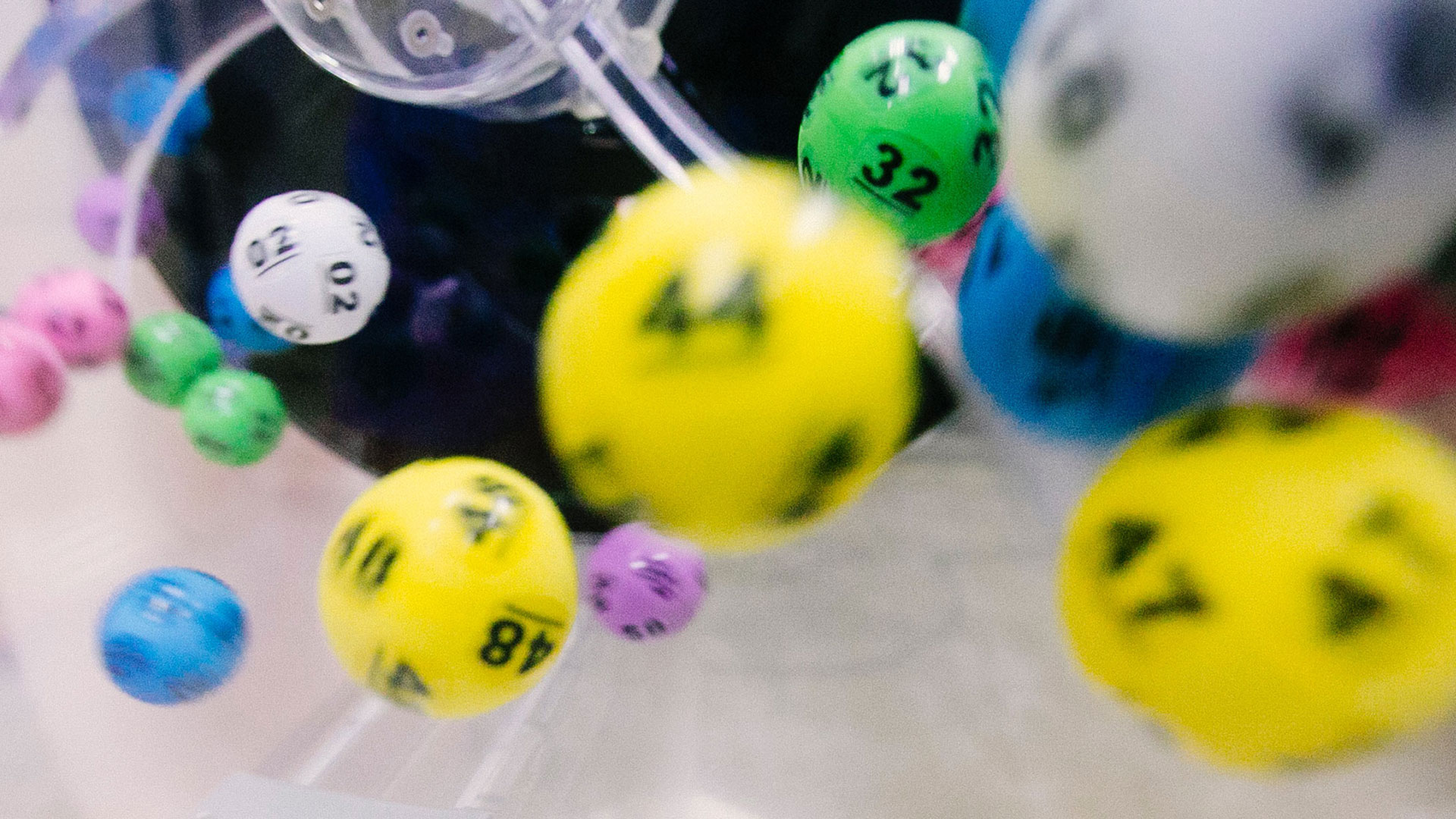
The National Lottery could hold the key to boosting our financial resilience, says a think tank after proposing a bold revamp to the formula.

The Social Market Foundation has proposed selling tickets for £2.50 in a new “Win & Save” game.

That would see £1.75 set aside to go in the player’s savings pot and topped up with a 68p per ticket subsidy. This would generate savings of £126 per year for those who buy one weekly ticket while those who buy two tickets every week would save £252. The top prize should be capped at £250,000 while the scheme would generate more than £681,000 in total prize money if it could attract just 10 per cent of National Lottery players.

The reason behind the proposed plans is the meagre savings that the average Brit has to fall back on – around 40 per cent of working age adults have less than £100 in savings while 46 per cent of the population have saved nothing at all in the past five years.

The new game would combat this, says SMF’s Scott Corfe, who has cited examples of similar schemes working in South Africa as well as the American states of Michigan and Nebraska.
Advertising helps fund Big Issue’s mission to end poverty

“Britain’s poorest households are worryingly short of savings to fall back on if bad luck strikes,” said SMF research director Corfe. “We should use the pleasure of playing the lottery to drive an innovation that would help them build up some vital financial reserves.

“The National Lottery has done a great deal of good. In its next phase, it should be reformed to help poorer households help themselves to build up savings without giving up the fun of playing the lottery.”

SMF’s report, which was sponsored by sub-prime lender the Provident Financial Group, recommends that the new game is considered when the National Lottery’s licence is up for renewal in 2023.

Keep reading the journalism that powers our mission

Register free to continue and learn more about the stories, campaigns and the support we provide, helping people facing poverty across the UK.

It says that the scheme could “transform the habit of gambling into a form of saving” and that it should be marketed to lower-income households, who are more likely than richer households to play the lottery and therefore make up a bigger part of the prize pot.

The poorest households contribute 0.48 per cent of their disposable income to National Lottery good causes, according to SMF calculations. For the richest households, the figure is just 0.07 per cent.

“We are currently in the market engagement phase of the fourth National Lottery Licence Competition programme, which will help to inform the design of the next licence,” said a Gambling Commission spokesperson.

“Our focus remains on running a fair and open competition to find the right operator who will engage players and protect them, run the National Lottery with integrity and continue maximising returns to good causes.”

Image: Dylan Nolte/Unsplash

Advertising helps fund Big Issue’s mission to end poverty

Do you know how Big Issue 'really' works?

Watch this simple explanation.

Recommended for you

View all
Bristol Big Issue vendor Mike Turner: 'The shortage of housing in this city is a moral injustice'
Big Issue vendor Mike Turner
Housing

Bristol Big Issue vendor Mike Turner: 'The shortage of housing in this city is a moral injustice'

The budget promised breathing space. But is it enough to get us out of the pickle we're in?
pickles
Liam Geraghty

The budget promised breathing space. But is it enough to get us out of the pickle we're in?

No domestic abuse survivor should miss out on a safe home because an abusive partner left them with debt
The silhouette of a woman in front of sun streaming through blinds
Polly Neate and Katherine Brickell

No domestic abuse survivor should miss out on a safe home because an abusive partner left them with debt

Women's pensions are the latest casualty of the motherhood penalty
An elderly woman and child.
Rebecca Horne

Women's pensions are the latest casualty of the motherhood penalty