Advertising helps fund Big Issue’s mission to end poverty
News

Local shopkeepers fear post-Brexit food supply issues won't improve

It's not just the likes of Greggs, KFC and McDonald's being impacted by food shortages at the moment – small businesses are too.

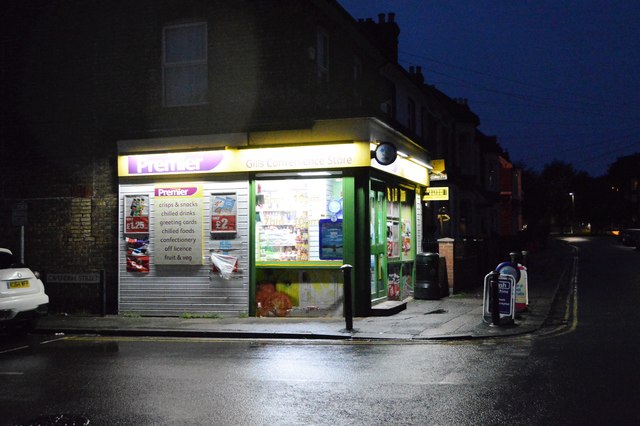
Local shopkeepers are having to work “incredibly hard” to keep stock on shelves and fear post-Brexit food shortages affecting businesses across the UK are here to stay.

Fast-food chains such as McDonald’s, KFC, Nando’s and Greggs have all reported issues with stock, menu changes or store closures over the last two weeks, with supermarket giants Tesco, Sainsbury’s, Co-op and Asda affected too.
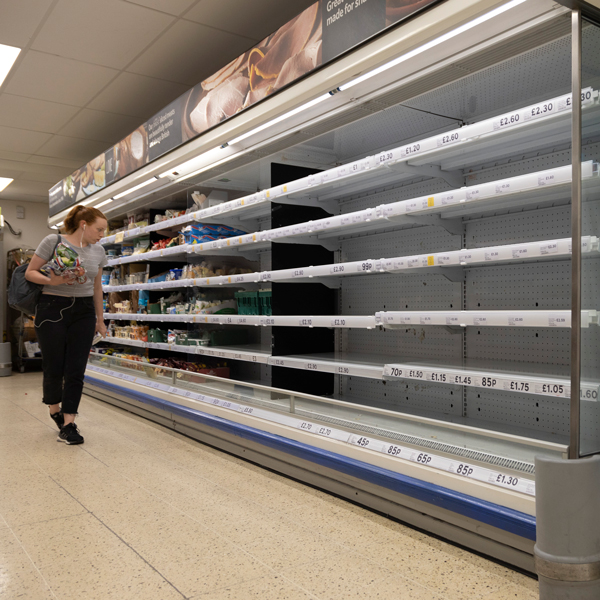
Empty Shelves Caused By Covid-19 In Britsh Supermarket Tesco
Bare essentials Unstocked shelves have become a common sight Photo: Daniel Harvey Gonzalez/In Pictures via Getty Images

But corner shops and other independent stores are also being impacted, and owners believe the fundamental problems causing the shortages may not be solved anytime soon.

James Lowman, CEO of the Association of Convenience Stores (ACS), which represents more than 33,500 local shops, said businesses were worried about the future.

He told The Big Issue: “They are overworked and frustrated at having incomplete deliveries, deliveries turning up late or not turning up at all. And further up the supply chain they are also very concerned.

“The government has taken action on some things, like the change in self-isolation rules. But there are fundamental problems the government has said it won’t solve, like extending visas for EU workers in distribution [the government this week rejected calls for temporary visas for EU workers to help ease the supply issues].”

Advertising helps fund Big Issue’s mission to end poverty

Lowman acknowledged seasonal ups and downs were having an impact and said there were currently global supply issues stemming from the Suez Canal blockage and a lack of shipping containers. He also said there were backlogs in approving licences at the DVLA meaning drivers who want to work can’t get on the road.

But given the government’s stance on EU workers’ visas in particular, he added: “Fundamentally, we can’t see a time where it becomes easier to fix supply issues.”

Lowman did however say small business owners have some advantages in the current situation.

“There’s an upside and a downside compared to everyone else,” he said. “The advantage is independent retailers can shop around different places, they go to different cash and carries and wholesalers. That allows them to mitigate some problems that larger businesses can’t.

“Our members are working incredibly hard to keep stuff on shelves and they are able to maintain credible availability at the moment.

“The other side of that is they have less clout in the supply chain. If a supplier has limited stock it’s harder for an independent to get their fare share of it because larger companies will be twisting their arms.”

Advertising helps fund Big Issue’s mission to end poverty

Do you know how Big Issue 'really' works?

Watch this simple explanation.

Recommended for you

View all
The horrific state of our social housing is a stain on the nation. There's only one way to fix it
Social housing
Social housing

The horrific state of our social housing is a stain on the nation. There's only one way to fix it

Revealed: One in every 21 people sentenced over 2024 riots was experiencing homelessness
Anti-immigration protesters confront riot police in Manchester in 2024 riots
Homelessness

Revealed: One in every 21 people sentenced over 2024 riots was experiencing homelessness

How social media is changing politics: 'I slid into his DMs and told him not to balls this up'
Andy Burnham, Nigel Farage and Keir Starmer
Politics

How social media is changing politics: 'I slid into his DMs and told him not to balls this up'

In the occupied West Bank, a child is killed every week. When did that become acceptable?
UNICEF UK CEO Dr Philip Goodwin visited the community of Um El Kheir Village south of the WB with UNICEF State of Palestine, meeting children and hearing about the challenges they face
Dr Philip Goodwin

In the occupied West Bank, a child is killed every week. When did that become acceptable?