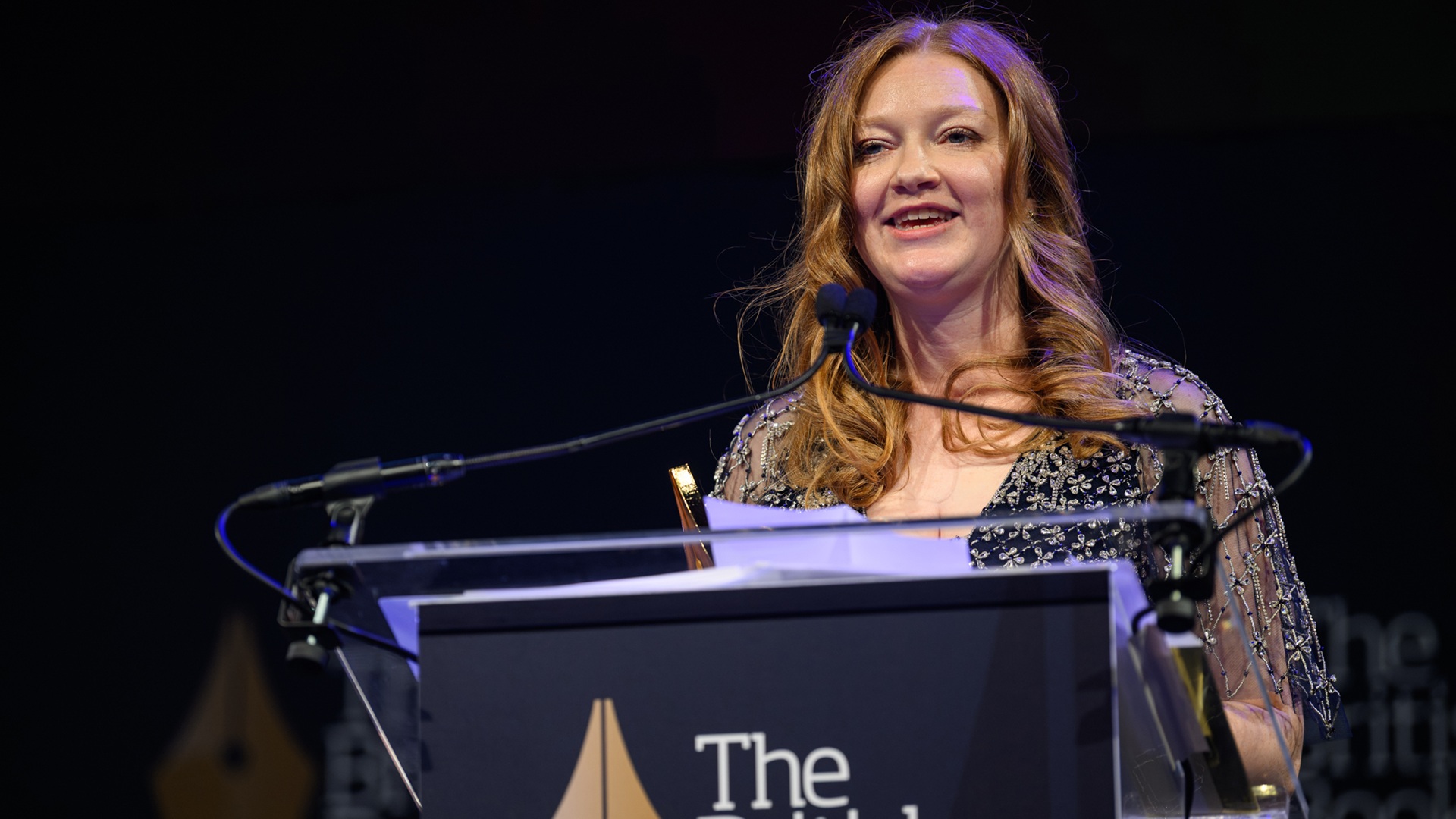
But the main thing they’re escaping from? That’s the internet, and books can play a vital role in this, Steadman says. “The world is very scary at the moment. But with a book, you can sit down and know that this is about unicorns; that’s what you’re getting and you know where you are. It’s a way to connect with a story in a controlled setting, which we can’t have online. You can open a book, then if it’s scary or too much, you can close the book. Whereas, online it’s much harder to turn it off.”
Read more:
And they do want to turn it off, with Steadman saying she has spoken with plenty of young fans who want to reduce their screentime. “They don’t want to be on their phones,” she says, “But they don’t know how to stop. They need something that’s going to distract them from it. A lot of children say to me that they like when new Skandar books come out because it means that they have something to do that isn’t on their phone.”
Keep reading the journalism that powers our mission
Register free to continue and learn more about the stories, campaigns and the support we provide, helping people facing poverty across the UK.
As well as reducing screentime, Steadman knows just how impactful reading can be for children.
“The books I read between the ages of 11 and 13 laid the foundations of who I became later. Children’s books teach you how to belong in the world, in the real world, even when they’re set in fantasy lands. They’re very good at presenting real-world problems in a way that hides it underneath the excitement, so you’re still engaged. The overarching message is that kindness is a power. Being kind to each other can change things.”
So underneath the epic fantasy, the blood-thirsty unicorns and the faces that are so mutated they’re left no more than half a face and half a skull (which is a description she herself relays to me), children are left ‘really resonating’ with the storylines.
Advertising helps fund Big Issue’s mission to end poverty
“The thing fans always come back to is, ‘I saw myself in one of these characters and I saw the things that I was going through with my friends, or with my family.’ For a lot of them, they’re just going into secondary school and are desperately trying to work out where they fit with everyone,” she says. “So a lot of the messages I want to share are about finding where you belong, and finding people that accept who you are, because that is the most important thing to find out and the bravest thing to claim. That really resonated with a lot of readers, which is lovely to see – and they love the unicorns too, of course.”
The unicorns do play an important part – and it’s not just about action, drama or scare-factor. It’s about fostering imagination and creativity, which are just two skills that The Book Trust say are significantly boosted by reading. Empathy, attention span and problem solving are more. So, the consensus is that reading is pretty important.
“Reading for pleasure is one of the biggest indicators for future success,” Steadman echoes. “It’s so important and it’s not always prioritised over other things. But if you can get kids reading, then it’s incredible. I’ve seen it happen to children in real time over the many years that I’ve been traveling around with Skandar. I’ve seen a child who doesn’t like books become a child that likes books, and then they get better at everything; they get good grades, and they’re happier. It’s awesome.”
It takes input from parents too, though. “As adults, we have to model reading to children. It is the best way to get children excited about books,” Steadman says, adding that she’s already reading to her three-month-old son and seeing his enjoyment in it.
“Especially if you’re reading the same thing as them, it creates a sense of community, whether you’re their parent, teacher or their grandma. We read together and can chat about it, asking, ‘who’s your favourite character? What do you think’s gonna happen next?’ Then kids are really engaging with the content and learning from it all.”
Do you have a story to tell or opinions to share about this? Get in touch and tell us more.
Advertising helps fund Big Issue’s mission to end poverty
Change a vendor’s life.
Buy from your local Big Issue vendor every week – and always take the magazine. It’s how vendors earn with dignity and move forward.
You can also support online:
Subscribe to the magazine or support our work with a monthly gift. Your support helps vendors earn, learn and thrive while strengthening our frontline services.
Thank you for standing with Big Issue vendors.