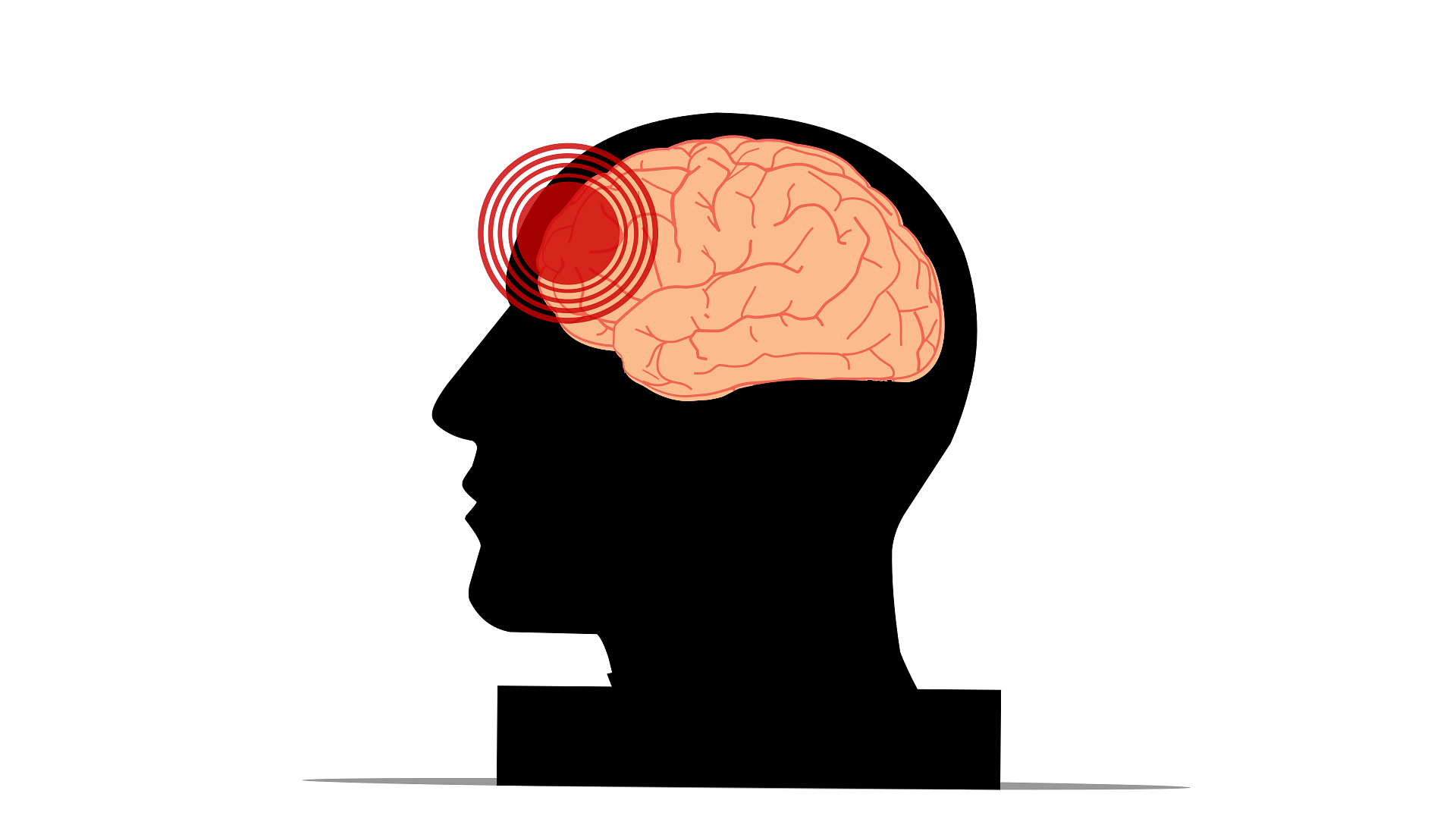
Once experiencing homelessness, people are also five times more likely to go to hospital for a head injury than the general population.
A further 10-15% of people experiencing homelessness suffer from alcohol-related brain injuries, “where you’ve been using alcohol to a high degree for a long time, to the point where it’s caused structural changes in the brain”. Substance use can have the same impact.
A similar number have a learning disability – but that “is not necessarily a development issue,” Weatherhead adds.
Keep reading the journalism that powers our mission
Register free to continue and learn more about the stories, campaigns and the support we provide, helping people facing poverty across the UK.
Change a Big Issue vendor’s life this Christmas by purchasing a Winter Support Kit. You’ll receive four copies of the magazine and create a brighter future for our vendors through Christmas and beyond
“Often, it can be from marginalisation from education. From pre-birth to your early twenties, your brain is developing, and it develops according to your environment, so if you’re not getting access to school or your experience of school is awful, your brain is not going to reach its optimum level. When you reach adulthood, you will have a brain that functions as if you have a learning disability due to not having been nurtured to develop to your full potential.”
Trauma is also classed as a brain injury, as prolonged levels of high stress in which people have to focus solely or primarily on survival impede the brain’s development in other crucial areas.
Advertising helps fund Big Issue’s mission to end poverty
Research conducted last year by Oasis Community Housing found that around 73% of people experiencing homelessness consider themselves to have also experienced trauma – and Weatherhead predicts that the true figure is closer to 100%.
It can be difficult to recognise the signs of a brain injury, which “is often thought of as an invisible disability”.
This can be particularly problematic among people experiencing homelessness “because a lot of the symptoms are consistent with the symptoms of someone using substances,” such as physical instability, poor hand-eye coordination, repetitive or slurred speech, unusual eye movements, memory problems and personality changes, especially if these issues escalate.
Once they have identified a brain injury, the type of care NeuroTriage provides varies significantly, from advising support workers, to implementing support systems such as visits from carers and reminders to complete vital tasks, to helping people to access supported accommodation, to supporting palliative care.
But many of their patients are stuck in the very situations that caused their brain injuries to begin with, from the trauma of homelessness to a lack of support to overcome addiction.
“One of the big challenges we’ve got is a legislative one, in that, currently, addiction is not considered to be an impairment of mind or brain under the Mental Capacity Act, which means that we can’t hold people in a safe place in the same way that we might be able to with other presentations,” Weatherhead says. “If we could hold people to support detox and support them afterwards, then we’d have a better change of creating a good rehab life.”
Advertising helps fund Big Issue’s mission to end poverty
He also acknowledges that many people sleeping rough have had traumatic experiences in emergency accommodation. “Our job has to be to work towards understanding that and enabling a person to feel safe.”
NeuroTriage accesses patients via hostels and addiction service Pathways, but Weatherhead urges those working with people experiencing homelessness to look out for the signs of brain injury and to refer those they believe may be affected to a GP for assessment.