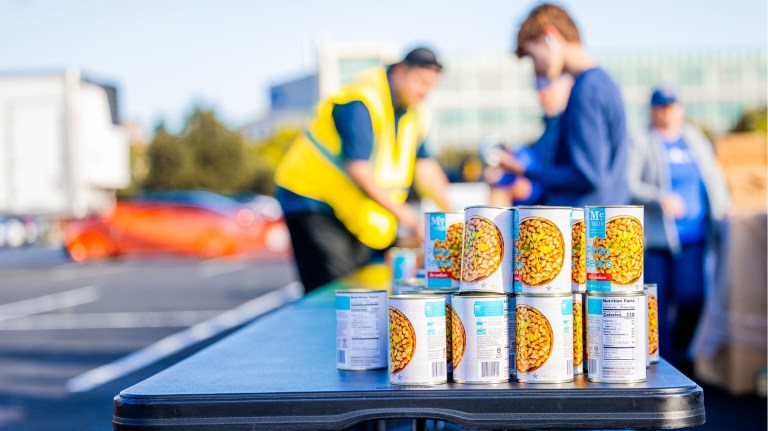
That work matters, and it’s what In Kind Direct does every single week. Through our network of more than 9,000 charitable organisations, we reach nearly a million people every week with the essentials they need. We’re proud of that – but we know this is not the long-term solution people need.
Hygiene poverty isn’t about saying, “Here’s a 20p bar of soap.” It’s a symptom of something much bigger. For a family in overdraft, that 20p is still money they simply don’t have. The cost-of-living crisis is pushing more people to the financial brink. And once you’re borrowing to cover the basics, every extra payment makes next month harder.
When working families, some with two full-time incomes, face huge increases in energy bills, rents and mortgages, too many people are forced to choose between deodorant and dinner. In that situation the problem isn’t access to cheap soap.
Keep reading the journalism that powers our mission
Register free to continue and learn more about the stories, campaigns and the support we provide, helping people facing poverty across the UK.
The problem is that wages have stopped keeping pace with the cost of living.
Hygiene poverty is an early warning sign. It’s the first visible crack when income no longer covers the basics. When money is tight, basic essentials like toothpaste, shampoo, and toilet paper are among the first things to go, quietly, before cupboards run bare and bills go unpaid.
We know from our research that those experiencing hygiene poverty feel their confidence is hugely impacted, setting up a vicious cycle that keeps children out of school, and adults out of work. Nearly one in five people affected (18%) have missed work because of hygiene poverty, and 15% have skipped a job interview. A problem that starts with too little income ends up costing people the very work that could lift them out of it.
Hygiene poverty is a trap, and it’s one that will undermine any government’s ambitions for growth, employment and opportunity, if it goes unaddressed. We all have a role to play in addressing the broken system that is causing hygiene poverty, yet we need government urgently to address the symptoms.
Read more:
What the government must do
If the prime minister is serious about a new path for Britain, he needs to treat hygiene poverty as the early warning it is. We should recognise that income is the problem and the current climate and pressures on society are pushing more people into hygiene poverty. These are deep systematic issues that need to be addressed, but we need urgent action to respond to the crisis right now.
First, government must recognise that access to hygiene products as a category in assessing material poverty. Being able to keep yourself and your home clean is part of an adequate standard of living, and the way we define and measure material poverty should reflect that.
Government should end VAT on essential hygiene products. That means reviewing how these products are currently taxed and removing VAT wherever they’re essential to maintaining health, dignity and wellbeing.
Reviewing regulations governing the shelf life and disposal of hygiene products, will also go a long way. Current regulations and guidance around how long certain products remain suitable for use or sale can result in large quantities of usable products being diverted to waste.
Nobody should have to choose between eating, heating and keeping clean. Being able to wash yourself, wear clean clothes and walk into a job interview with your head held high isn’t a luxury. It’s everyday basics, toiletries and cleaning products included, and not just food and fuel.
The prime minister has asked Britain to hope again. For 9.6 million people, hope starts with dignity, and dignity starts with access to life’s essentials.
Michael Gidney is CEO of In Kind Direct. Find out more here.
Do you have a story to tell or opinions to share about this? Get in touch and tell us more.
Change a vendor’s life.
Buy from your local Big Issue vendor every week – and always take the magazine. It’s how vendors earn with dignity and move forward.
You can also support online:
Subscribe to the magazine or support our work with a monthly gift. Your support helps vendors earn, learn and thrive while strengthening our frontline services.
Thank you for standing with Big Issue vendors.