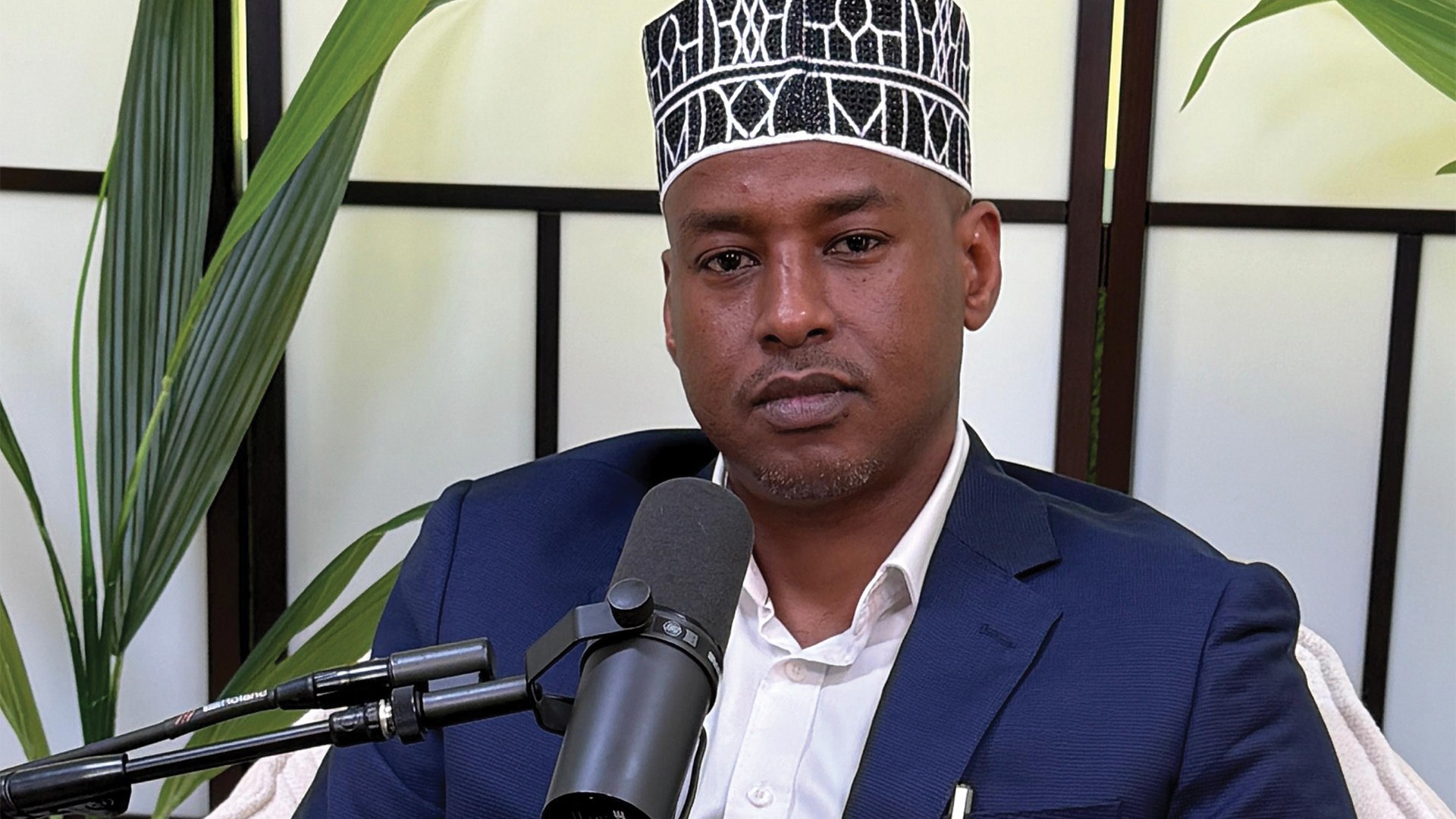
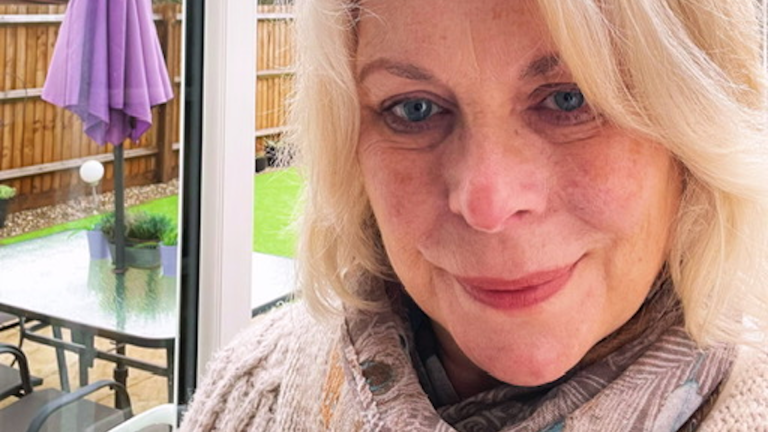
When someone leaves prison, does rehabilitation continue – and why do so many people go on to reoffend?
Absolutely. Rehabilitation doesn’t end at the prison gate. In many ways, that is when the most important part begins.
When you return to the community, you are suddenly exposed again to the relationships, environments, pressures and opportunities that may have contributed to your offending in the first place. You have to be conscious of who you spend time with, the decisions you make and the situations you put yourself into. If you are on licence, there is also a responsibility to understand and respect your conditions.
Keep reading the journalism that powers our mission
Register free to continue and learn more about the stories, campaigns and the support we provide, helping people facing poverty across the UK.
There are many reasons people re-offend. Sometimes it’s short-term thinking – choosing quick money or an immediate opportunity over the longer-term life they’re trying to build. For others, it can involve substance misuse, alcohol, unstable housing, unemployment, debt, isolation or returning to the same environment without enough support. But I don’t think we should remove personal responsibility.
Read more:
What helped you on release?
My family was a major source of support, both emotionally and financially. Having people around me who cared about my future gave me something to protect and something to work towards.
I also made a conscious decision that I had to use my time differently. My children became a major motivation. I wanted to build a career and create a better and more stable future for them than the circumstances I had experienced in my past.
Finding meaningful work and purpose has been equally important. Since my release, I have deliberately put my energy into recovery, mentoring, community work and supporting people with lived experience. That has helped me move from simply asking, “What am I going to do now?” to asking, “What can I contribute?”
How important was it to find purpose in supporting others?
There is something powerful about being able to take experiences that were once a source of shame or difficulty and use the lessons from them to help somebody else.
I have found that purpose through working with people affected by offending, recovery and the criminal justice system, as well as through community projects and mentoring. My lived experience gives me an understanding of some of the barriers people face, but I also recognise that lived experience alone isn’t enough. You have to combine it with professionalism, boundaries, training, accountability and a willingness to keep learning.
Supporting others has also changed how I see myself. I am not defined by the worst chapter of my life. I can acknowledge what happened, take responsibility for it and still contribute something positive.
How can the system be changed to support more people and help them find purpose?
One of the biggest changes would be to make people much more aware of the support that already exists before they leave prison.
There are organisations doing excellent work across recovery, employment, mentoring, housing, advocacy and lived experience, including Forward Trust, SWIM [Support When It Matters] Enterprises, Catch22, User Voice,
Turning Point, Hardman Trust and community organisations such as Free The Forgotten.
The problem is that many people leaving prison – and sometimes their families – simply don’t know where to go.
I would like to see a much stronger bridge between prisons and community organisations. People should be introduced to relevant organisations before release, have the opportunity to build relationships with them while still in custody, and ideally leave prison with a genuine plan around housing, employment, training, recovery and positive activity.
The first few weeks and months after release can be critical. People can suddenly have a huge amount of unstructured time, and if there is no positive direction, old habits and old relationships can quickly fill that space.
Purpose matters. Employment matters. Family matters. Recovery matters. Community matters. Better information and stronger community links could make a significant difference.
Find out more about SWIM Enterprises
Do you have a story to tell or opinions to share about this? Get in touch and tell us more.
Change a vendor’s life.
Buy from your local Big Issue vendor every week – and always take the magazine. It’s how vendors earn with dignity and move forward.
You can also support online:
Subscribe to the magazine or support our work with a monthly gift. Your support helps vendors earn, learn and thrive while strengthening our frontline services.
Thank you for standing with Big Issue vendors.