Advertising helps fund Big Issue’s mission to end poverty
Social Justice

'This will ease the backlog': Asylum legal aid rates set to increase for first time in almost 30 years

Legal aid rates, which fund solicitors to help asylum seekers through their cases, have not increased since 1996, a real-terms cut of 48%

Home secretary Yvette Cooper

The UK's broken legal aid system is pushing many asylum seekers through their asylum claims without representation, resulting in poor decisions and increased trauma for vulnerable people. Image: Rav Soodi/Home Office/Flickr

The government is set to increase the legal aid rates paid to lawyers who take on asylum cases for the first time in nearly 30 years, with an injection of £20million into a system slammed for failing vulnerable refugees.

Legal aid rates, which fund solicitors to help asylum seekers through their cases, have not increased since 1996, a real-terms cut of 48%. An announcement made by the government after a challenge from one law firm means the rates will be uplifted by 29% in London.

A Big Issue investigation into the legal aid crisis found unrepresented asylum seekers were being retraumatised and subject to poor decisions. These decisions were likely to be overturned at appeal, lawyers said, costing the taxpayer more down the line.

The lack of legal aid funding has also been blamed for the UK’s asylum backlog pile-up, as a growing number of firms turn away from the work and cases fail to progress because of a lack of lawyers and judges.

“This investment will help ease the huge asylum backlog, ensuring the efficient running of the system in a way that gets the right decision at the earliest opportunity,” said Richard Atkinson, president of the Law Society.

“Underfunding our justice system denies us a vital public service. The government must now continue acting for the common good and invest across all areas of civil legal aid.”


Advertising helps fund Big Issue’s mission to end poverty

Facing stagnant funding, big law firms were taking on debt to keep doing legal aid work for cases. The number of asylum cases far outstripped the number of lawyers available.

As a result, lawyers warned vulnerable asylum seekers were facing “life and death” decisions from the Home Office without proper support.

The increase comes after Duncan Lewis, one of the biggest firms working on asylum cases, took the Conservative government to court.

Keep reading the journalism that powers our mission

Register free to continue and learn more about the stories, campaigns and the support we provide, helping people facing poverty across the UK.

“Legal aid in these areas is put on a far more sustainable footing and those in need of representation will be far more likely to be able to get it when they need it most,” said Jeremy Bloom, a solicitor at Duncan Lewis.

But Bloom warned the rise did not counter the effects of inflation, and said the government should commit to an annual review of legal aid rates “to ensure that people can exercise their right to access justice.”

Do you have a story to tell or opinions to share about this? Get in touch and tell us more. This Christmas, you can make a lasting change on a vendor’s life. Buy a magazine from your local vendor in the street every week. If you can’t reach them, buy a Vendor Support Kit.

Advertising helps fund Big Issue’s mission to end poverty

Do you know how Big Issue 'really' works?

Watch this simple explanation.

Recommended for you

View all
Meet the 80-year-old with a learning disability who wants others to live to their 'golden age'
Geoffrey Leer
Mencap

Meet the 80-year-old with a learning disability who wants others to live to their 'golden age'

This greengrocer on wheels helps people afford food – but rising fuel prices make it hard to run
Queen of the Greens
Heidi Henders

This greengrocer on wheels helps people afford food – but rising fuel prices make it hard to run

Food poverty or fuel poverty? Why treating poverty as separate issues is unhelpful
SPA Poverty Policy Group is led by academics Vicki Dabrowski and Natalija Atas
Natalija Atas and Gideon Calder

Food poverty or fuel poverty? Why treating poverty as separate issues is unhelpful

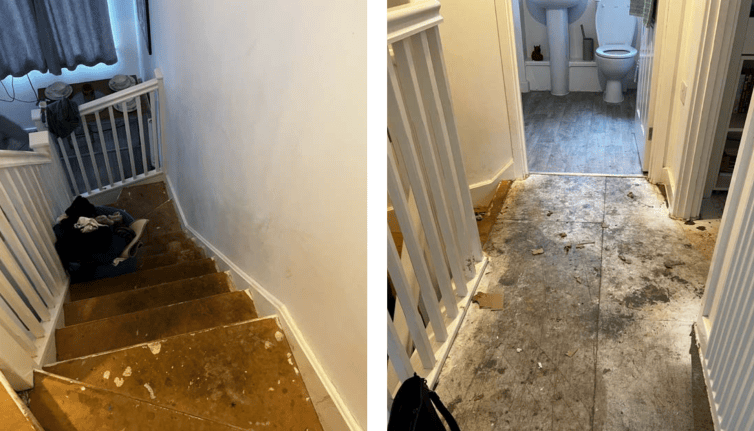
'I fled domestic abuse with my daughter. We were placed in a property with no furniture or floors'
Image of homes without floors
Furniture poverty

'I fled domestic abuse with my daughter. We were placed in a property with no furniture or floors'