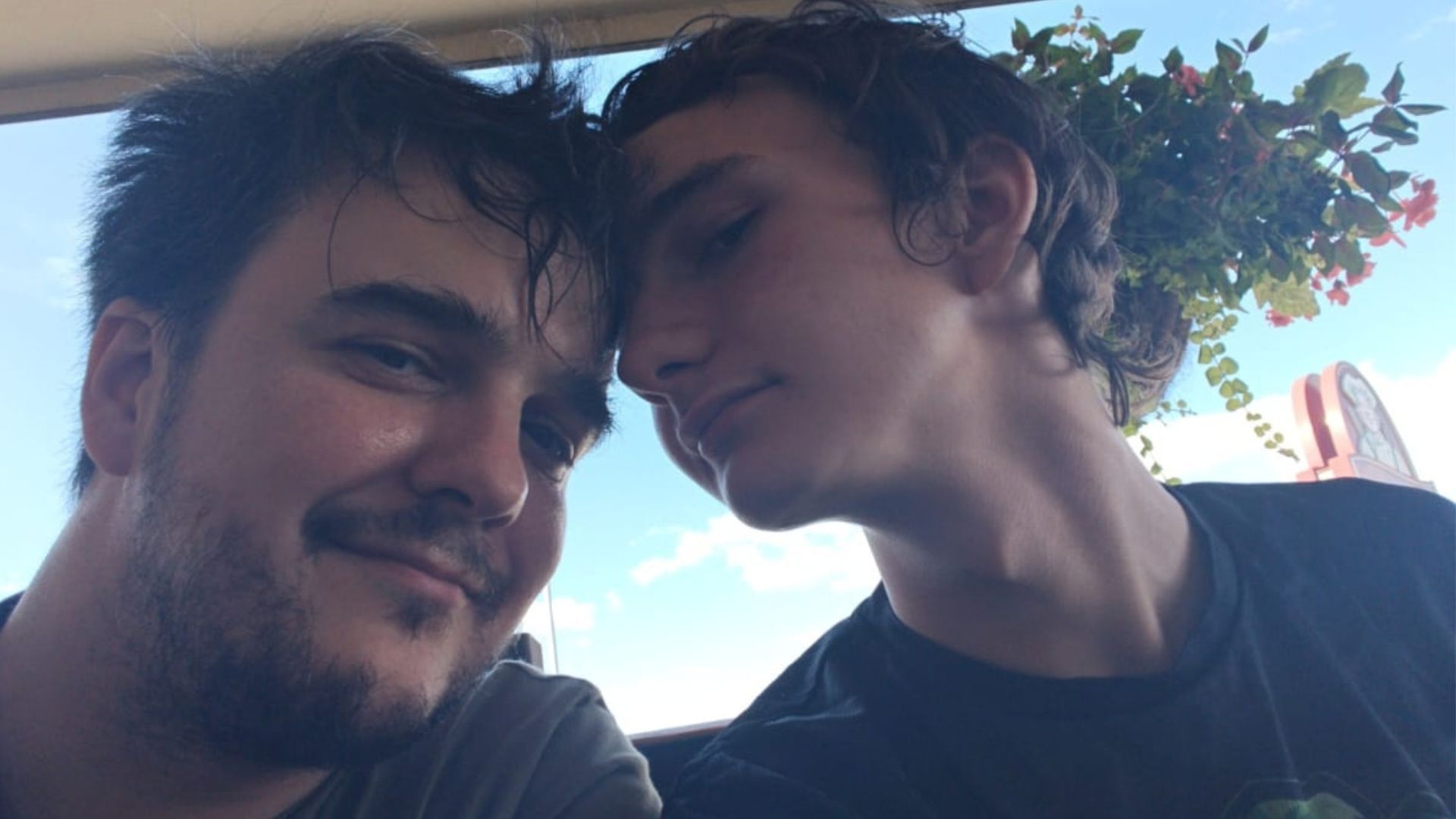
Kevin Cameron and his son Tristan. Credit: supplied
Share
Almost two-thirds of us will become unpaid carers at some point – but Brits “massively underestimate” that figure, a new study has revealed.
With an ageing population and rising numbers of people living with a disability in the UK, more people need friends or relatives to step in and provide unpaid care. But the scale needed is underplayed in society.
According to research by King’s College London, the public believe that 38% of people in the UK will become unpaid carers – far below the reality of 65%.
Men are even less accurate; they guess that 27% of people will ever become unpaid carers, whereas women estimate 50%.
“Most of us will provide unpaid care at some point in our lives,” said professor Irene Higginson, co-director of the King’s Better Health & Care Hub. “Yet this survey shows that we substantially underestimate how likely that is.”
An estimated 1,500 workers quit their jobs every day to care for a loved one, separate research from Carers UK found this month, joining the 5.8 million-strong cohort of unpaid carers across the country.
Advertising helps fund Big Issue’s mission to end poverty
Advertising helps fund Big Issue’s mission to end poverty
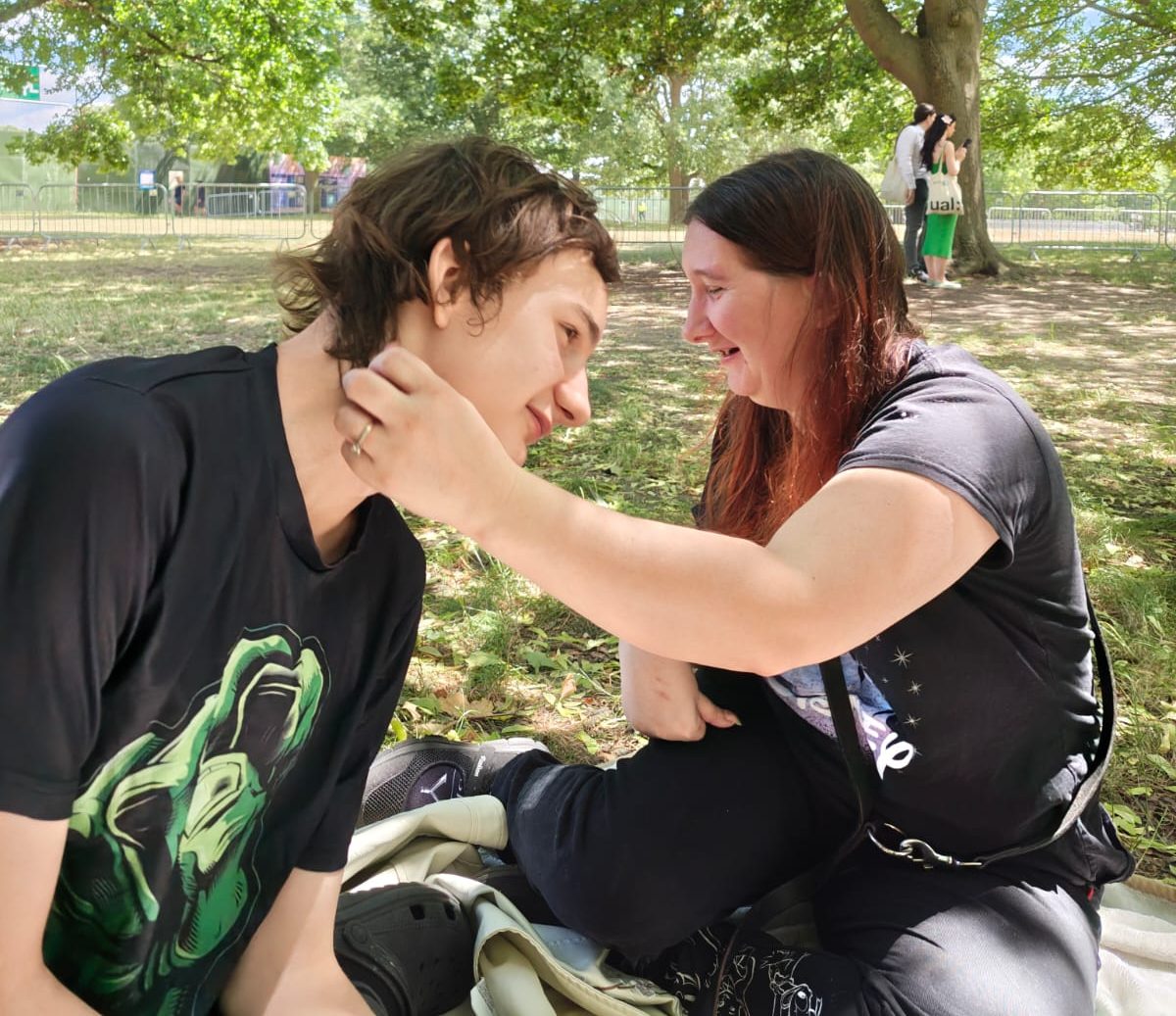
Kevin Cameron “never expected” to become an unpaid carer. But 13 years ago, his partner Justina suffered a stroke just two weeks after giving birth to their second child.
“It all happened very, very quickly – all of a sudden out the blue. I had to completely stop working,” the Londoner said.
Read more:
Keep reading the journalism that powers our mission
Register free to continue and learn more about the stories, campaigns and the support we provide, helping people facing poverty across the UK.
Cameron was already helping look after his son, Tristan. The then-three-year-old has autism and ADHD, alongside other additional needs, and requires round-the-clock support. But the couple were coping.
“One day we were a completely normal family, with some difficulties – but it was manageable, between the two of us, to looking after two people with disabilities and raising a newborn daughter,” the 42-year-old said.
Cameron was working in market research, but told his employer he “didn’t know” when he’d be able to come back. Justina was in hospital for six months, and after using up all of his available leave, he decided he had to quit work. She hasn’t made a full recovery.
It’s been “very hard” to make ends meet financially.
“Financially, carer’s allowance is £86 a week, which isn’t much at all, and even with that, if you have any other benefit, it comes off it,” Cameron explained.
“We’re living down to the last penny, almost. You have to be very restrictive with what you buy and don’t buy and see what you’ve got at the end of the month and what you can do with it.”
Electricity costs can be much higher for people with disabilities, he added: “We’ve got things like a wet room with an electric shower, and the washing machine running 24/7… it’s expensive.”
Yet the new KCL research found that while the public massively underestimate how many people will become carers, they are very clear about how important unpaid care is.
Three in four (73%) believe the health and social care system would collapse without unpaid carers.
“Carers are not at the margins of the system – they are central to it,” said professor Higginson.
Six in 10 (62%) people also say providing unpaid care is mainly a societal responsibility which requires additional government support, compared with just one in seven (14%) who see it as a personal responsibility that does not.
Support for this view cuts across party lines, with majorities of every party’s supporters saying unpaid care is a societal responsibility, ranging from 68% of Lib Dems to 59% of those who back Reform UK.
Tristan and Justina. Credit: supplied
Helen Walker, chief executive of Carers UK, called it “encouraging” to see the “vital” role of unpaid carers recognised. But more support is needed, she added.
“Caring for someone can have a significant impact on people’s lives and support falls woefully short of what’s needed. Unpaid carers can face devastating negative consequences for their work and family life. They can be pushed into poverty and ill health whilst struggling to get the help they desperately need and deserve,” she said.
The new research shows that the public want this to change. When asked what would help unpaid carers most, half (50%) of the public picked access to reliable overnight or daytime respite care as one of their top two priorities. That was followed by paid time off work, chosen by 34%.
More than half (54%) of people also believe the UK government gives less priority to social care than healthcare.
“Many people want to care for family members and friends, but too often they are left to struggle on their own without breaks or the right support,” said Helen.
“We cannot reasonably expect families to provide this level of care unless something is done to provide greater support and it is encouraging that there is a growing public recognition that supporting carers is a shared responsibility across society. We need a step change in the way that families and close friends who provide unpaid care are recognised, identified and supported.”
For Cameron, Carers UK has been a lifeline. His partner gets just two hours of adult social care a week from the council, while his son was getting four until very recently, despite needing 24/7 care. Kevin has damaged his back while caring and undergone multiple surgeries. His son moved into supported living in June.
His advice to other unpaid carers suddenly plunged into the role is “fight for all the support you can get.”
Cameron said: “It’s going to be really hard so you need to push hard for support. But whatever they offer you is unfortunately never going to be enough.”