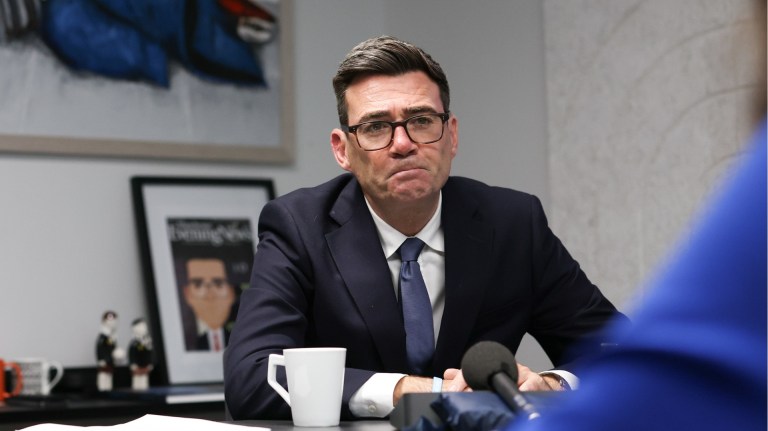
Ken Isley of the US Department of Agriculture is having none of it though, telling an audience of journalists at a food convention in Chicago this month: “I think the concerns and fear are unfounded. I would stack US food safety and our food safety record against anywhere in the world.
“It’s not lower food safety standards, it’s different and more advanced and more modern than what you find in Europe.”
Food standards across the board in the UK will take a hit after Brexit
Dawson disagrees. “In the UK, the Food Standards Agency have reported that there are approximately one million cases of foodborne illness each year, with a population currently of 66 million, you have about a 1.5 in 100 chance per year of getting food poisoning.
Continue reading for free
Registration is free and takes less than 30 seconds.
Our supporters make Big Issue’s work possible. Join us to see the impact we’re having together and discover more ways to help people facing poverty access income, opportunity and support.
“In the US, the Centers for Disease Control and Prevention (CDC) have reported that there are approximately 37 million cases of foodborne illness each year. With a population of 327 million, you have an 11.4 in 100 chance per year of getting food poisoning. In other words, you are over seven times more likely to get food poisoning in the US than the UK,” he says.
Indeed, a study from the University of Southampton published in 2018 found that chlorine-washing practices were not totally effective in killing pathogens on fresh vegetables, and can even make foodborne pathogens undetectable.
Consumers remain unconvinced too, with 90 per cent of respondents telling Which? that it’s important that UK food standards are maintained after Brexit.
Advertising helps fund Big Issue’s mission to end poverty
Kath Dalmeny, chief executive of food and farming alliance Sustain, agrees that food standards across the board in the UK will take a hit after Brexit if ideas of trade deals with the US are floated.
“The US has made it abundantly clear that if the UK wants to do a trade deal with them we will have to lower our food standards,” she said in a statement responding to Isley. “That would mean UK consumers being forced to accept things like hormone beef, pesticides currently banned in the UK, the removal of E number additive labelling and overuse of farm antibiotics.”
Dalmeny is just one of many researchers warning about the consequences of lapsed agricultural standards post-Brexit. This month, new analysis by the UK Trade Policy Observatory warned that unclear agricultural regulations will open the gates for the widespread use of outlawed pesticides that have been shown to alter human reproductive, neurological, and immune systems.
“While the stated aims of the EU Withdrawal Act were to bring existing EU pesticide regulations into UK law without major changes to policy, our analysis reveals that there are significant departures from EU pesticides legislation,” said Dr Emily Lydgate, senior lecturer in environmental law at the University of Sussex and Fellow of the UK Trade Policy Observatory.
Researchers argued that new agricultural regulations include the removal of a blanket ban on endocrine disrupting chemicals (EDCs), potentially allowing for their use on UK land despite considerable evidence the chemicals, which affect how the body responds to sex hormones such as oestrogen, raise the risk of some cancers, birth defects, and other developmental disorders.