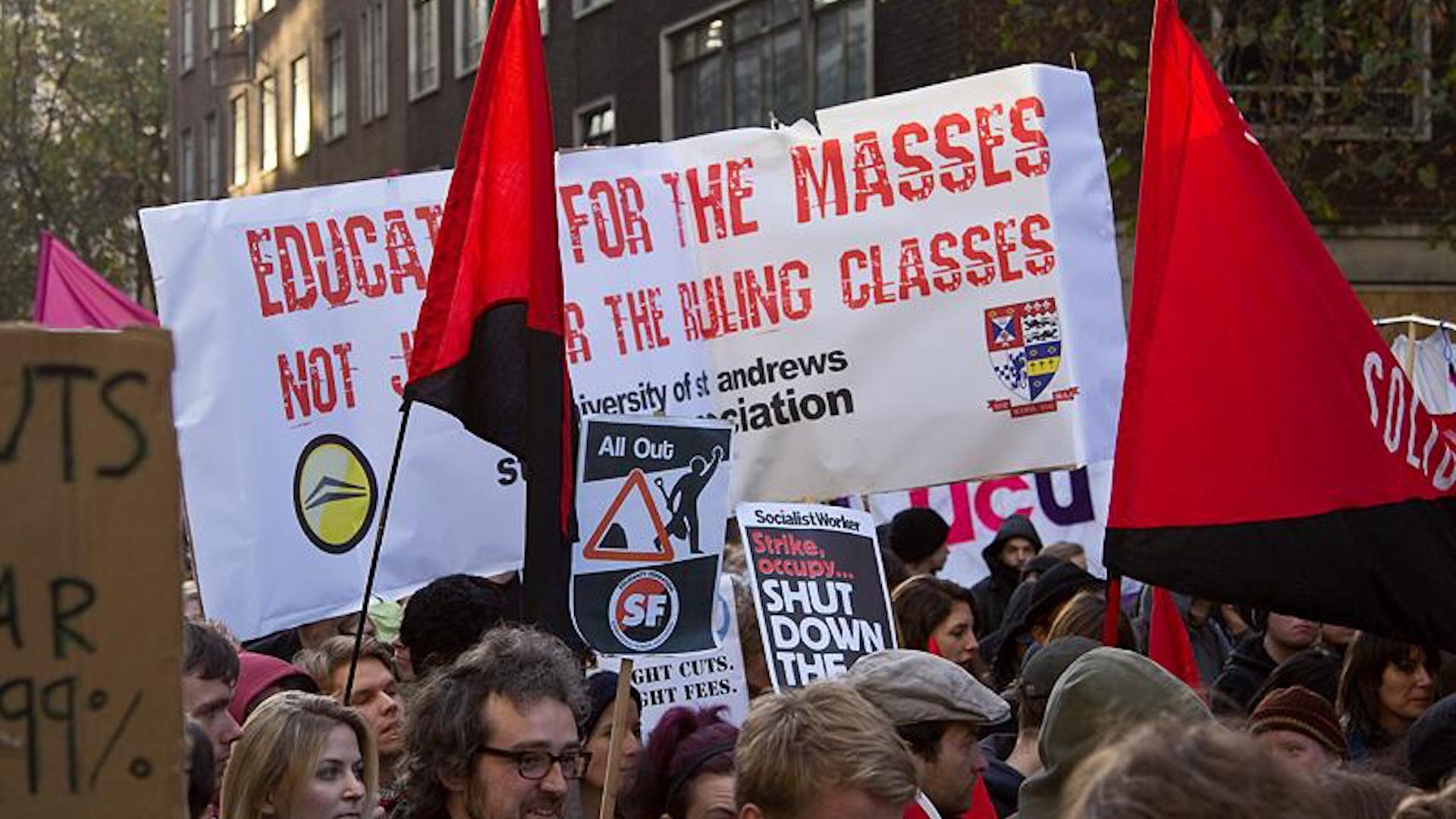
It’s a much more domestic, and divisive, Clegg initiative that could be about to cause serious ructions closer to home. Nick Clegg wheeled in the university course fee rise. He had pledged not to. But in 2012 he did. He apologised, but they still tripled to more than £9,000 a year.
The arguments over lumbering students with the debt have been played out due to the tapered repayment structure, though it’s still debated whether or not poorer students are more likely to see university as a positive option because they aren’t faced with upfront costs.
If in England everything else is due to open and remove distancing at the end of June, why aren’t universities? It’s a legitimate question
The other clear positive is that the fees bring vital income to universities to help them keep existing.
Keep reading the journalism that powers our mission
Register free to continue and learn more about the stories, campaigns and the support we provide, helping people facing poverty across the UK.
But there is a structural problem coming because of Covid. A number of universities announced this week they’d still be teaching next semester using online resources rather than in-person. And already students are asking if in England everything else is due to open and remove distancing at the end of June, why aren’t universities? It’s a legitimate question.
We’re seeing rising levels of unrest among students over accommodation costs. Some courses in the current academic year were moved online, but students were still billed for halls of residence they have no reason to remain in. A rent strike in Bristol brought about a 25 per cent rebate. Students are holding off for 30 per cent. As we reported last week, the university is now threatening to send in the bailiffs, an incredible thing to do to their own students.
There has been an understanding from students over the fees issues this year as the world was disrupted. But it’s difficult to see that extending. If you create a marketplace, and give it another name if you fancy, people will want to receive value for money. And if they feel that remote learning for over £9,000 a year is not what they consider value for money, there will be consequences. It’s not hard to envisage things getting messy.
Wonder if we could get a ‘Nick-inspired thing’ to sort this.
Paul McNamee is editor of The Big Issue