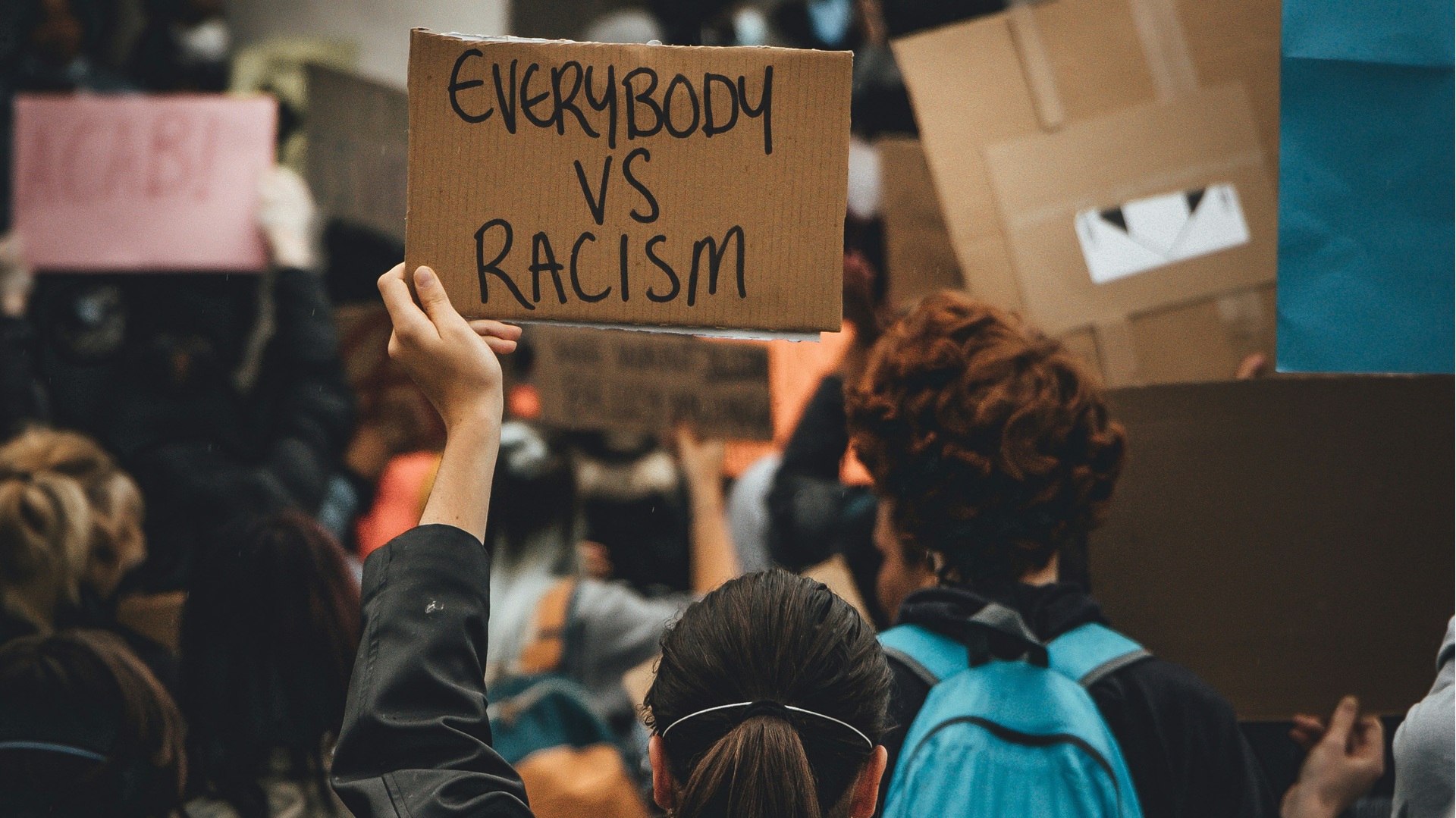
I’d be politically naive to think Andy Burnham would unveil a strategy to defeat the far-right while riding the crest of a popularity wave. But having entered office promising a renewed sense of hope and a new way of doing politics, one issue remains notably absent from his public agenda: how his government will confront the rising tide of racism that has become a normalised part of our public and social life.
But Burnham would be negligent to ignore it. He can’t ignore how over the last two years we’ve witnessed some of the worst racist violence in living memory. He can’t ignore widespread racist rioting, migrants being targeted and burnt out of their homes, increased attacks on places of worship and racially-aggravated sexual assaults.
That is why today, on the two-year anniversary of the Southport riots, along with over 100 civil society organisations, we at the Runnymede Trust have written to the new prime minister calling for the urgent development and implementation of a cross-governmental anti-racism strategy.
The normalisation of far-right rhetoric and the violent, and disturbingly proud, racism we’re witnessing are not happening in a vacuum – they’re the result of years of hateful public debate and hostile policy choices. We cannot continue to legitimise the far-right’s agenda by legislating for it. Because beneath the sensationalised headlines and the overt violence lie a series of persistent truths about what people of colour navigate in a much more covert way.
Three in five British Bangladeshi and Pakistani children are living in poverty in the UK. A person of colour becomes homeless or is threatened with homelessness every eight minutes. Black women are nearly three times more likely than white women to die during childbirth. Black children are eight times more likely to be strip searched by the police.
Statistics like these are so stark that we simply cannot afford to ignore them. To eliminate persistent disparities across education, employment, housing, healthcare, immigration, policing and the criminal legal system requires sustained and coordinated work. They cannot be solved by the same, tired, isolated initiatives, and instead must be built into this purported new way of doing politics and tackling big policy issues.