Of course, “automatic” permission in this context doesn’t literally mean permission is automatic. Developers won’t be able to construct 20-storey residential towers in the middle of nowhere. They won’t be allowed to build houses without windows. Nor can they chop down ancient woodland to make way for homes. Local and national planning policies will still apply, setting minimum standards for internal areas, car parking and daylight; but councils will no longer be able to turn down such applications simply because they’re in open countryside or within the green belt. In all likelihood, some redundant fields, unproductive farmland, golf courses, and quite a few car parks will go.
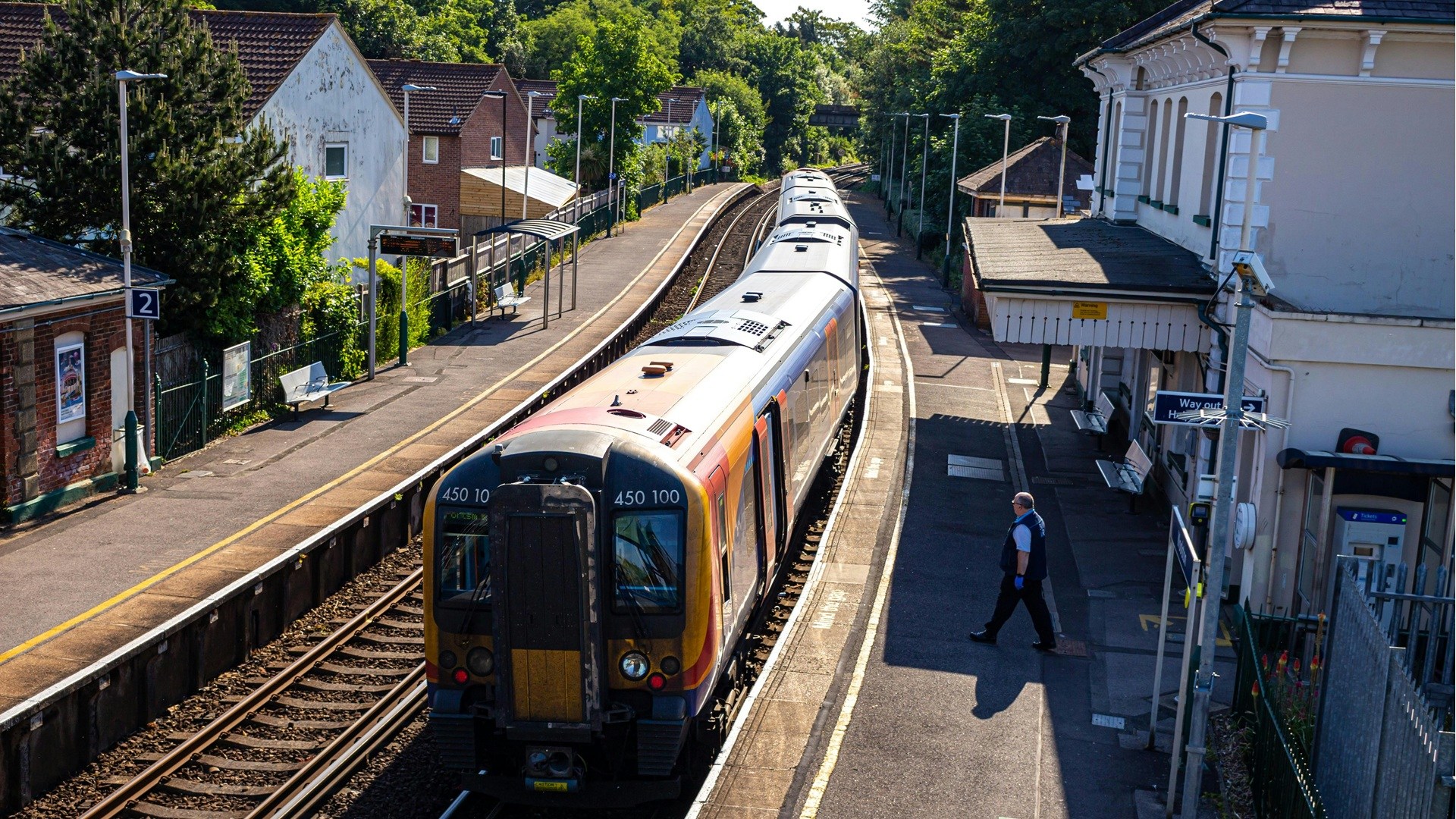
Planning consultancy Lichfields helpfully calculated where these new home could be located. As you’d expect, given that well-connected stations tend to be close to major population centres, most are in the South East. The home counties have capacity for nearly 250,000 homes; Birmingham, 95,000; Merseyside, 168,000, and the Ridings, 78,000. There’s a handful in Cornwall and around Tyneside, too. All in all, Lichfields estimates between 530,000 and 570,000 homes could be enabled by this policy. And while it’s inevitable that this is being seen as a partisan assault on the countryside, in actual fact Labour-voting constituencies are more likely to see homes built around their stations than Conservative ones – potentially up to a third.
Read more:
Continue reading for free
Registration is free and takes less than 30 seconds.
Our supporters make Big Issue’s work possible. Join us to see the impact we’re having together and discover more ways to help people facing poverty access income, opportunity and support.
My own research calculated that the country’s stations have the capacity for as many as 1.2m homes around them; others‘, as many as 2.1m. These numbers were calculated using a different set of assumptions and constraints, but whichever way you look at it: the potential is huge.
Arguments against the policy are numerous, including accusations that we will irrecoverably destroy productive farmland or precious natural habitats. The loss of green belt is a cause for concern in some quarters, particularly as many of the stations that are close to major cities are also located within the green belt that surrounds them. But remember that the green belt covers a total area of more than 6,300 square miles, and even if we were to build every single one of the government’s entire housing target on the green belt (which we’re not) less than 2.5% of it would be lost. It’s a similar story with farmland: just under 20,000 square miles of our countryside is in productive agricultural use: less than one percent of this would be needed to meet Labour’s manifesto commitment, and the reality is that the total required is far less than even this. However you look at it, it’s a drop in the ocean.
Whether the building 1.5m homes would have a meaningful effect on housing affordability is the subject of endless debate, even if this were still achievable within the remaining three years of this parliamentary term. Given that this new NPPF is the second of the Labour administration (a first was rushed out within the first six months), and the length of time it still takes for major planning applications to be determined – let alone the length of time it takes for the resulting homes to be built – the chances of this new policy making any kind of meaningful dent in the government’s manifesto commitment looks vanishingly slim.
Advertising helps fund Big Issue’s mission to end poverty
But that doesn’t mean it isn’t worth a try. The purpose of national planning policy is to set the direction of travel for the coming decades, not the remaining term of parliament. Our inability to build the homes we need – or, for that matter, build anything much of consequence – is a product of policy being buffeted by the five-yearly electoral cycle. The ambitions set out in the NPPF are undoubtably bold, but potentially transformative, too. It deserves our support.
Russell Curtis is founding director of RCKa
Do you have a story to tell or opinions to share about this? Get in touch and tell us more.
Change a vendor’s life.
Buy from your local Big Issue vendor every week – and always take the magazine. It’s how vendors earn with dignity and move forward.
You can also support online:
Subscribe to the magazine or support our work with a monthly gift. Your support helps vendors earn, learn and thrive while strengthening our frontline services.
Advertising helps fund Big Issue’s mission to end poverty
Thank you for standing with Big Issue vendors.