Advertising helps fund Big Issue’s mission to end poverty
Opinion

Disabled children are bearing the brunt of a broken social care system – they deserve better

The children’s social care system should support disabled children to thrive, but instead families are fighting for scraps of support, writes James Watson-O'Neill, chief executive at national disability charity Sense. He explores why the system is in need of urgent reform

A man holding a child

Disabled children are suffering as a result of a 'broken social care system'. Image: Pexels

“I never relax. I rarely feel the absence of stress and I’m knackered. I feel like this situation is killing me.”

This is just one experience, shared with us at Sense, from a parent trying to navigate the children’s social care system. It’s shocking, but far from unique – the children’s social care system is failing disabled children and their families, and it needs to change. 

Disabled children’s social care exists to help children and their families to live happy, fulfilling lives. It can support with personal care, home adaptations, funding contributions to access hobbies that are inclusive, such as one-to-one swimming lessons, and access to day centres. It can be life-changing, helping children to get the best start in life, and giving parents a well-deserved break and respite. But to get this support parents must navigate a confusing, fragmented system, and it is taking a serious toll on families.  

Currently, to access support, families must contend with a patchwork of systems straddling social care, health and education, governed by laws dating back decades, and delivered by various departments working in silos. Multiple assessments are often needed and delays are common, with new research from Sense showing the average family waits more than 200 days to even be seen by children’s social services. 

Being seen by a social worker isn’t a guarantee of support. One mother told us she made four applications for a social care assessment before a social worker came to see her and her deaf-blind son, meaning he missed out on vital early years’ support.

When the assessment was finally carried out, years after first applying, the family was told that they were coping without intervention from children’s social care and left them to it. With 1.8 million disabled children living in the UK, and just 32,150 of those assessed by social services last year, the number of children missing out on support is potentially colossal.  

Advertising helps fund Big Issue’s mission to end poverty

This particular family now has social care in place, and it’s made a huge difference to their lives – but parents should not be forced to fight tooth and nail for support they’re entitled to, in this case for years. The emotional and financial toll this can have is huge, with Sense’s research showing the average parent has spent more than £1,500 in the past six months covering the health and social care needs of their disabled child. That’s more than £250 a month. Almost half (47%) of families have had to borrow money to support their disabled child, with more than a quarter (28%) turning to fundraising, such as crowdfunding, to balance the books. 

This situation is indefensible – and it’s disabled children and their futures bearing the brunt. So what needs to be done? 

The government needs to simplify and streamline this confusing system by establishing a clear and consistent pathway to accessing support, and strengthen the law to ensure all disabled children are assessed for their social care needs. These changes must be backed by adequate funding and investment in local services.  

Continue reading for free

Registration is free and takes less than 30 seconds.

Our supporters make Big Issue’s work possible. Join us to see the impact we’re having together and discover more ways to help people facing poverty access income, opportunity and support.

Understandably in the current climate, families are doubtful things will change soon – just a third (32%) of parents believe there is any genuine intent from government to improve social care for disabled children. 

Good social care can be the difference between a child feeling lonely and left behind, and a child having the support they need to grow, learn and thrive. That’s why we’re calling on the government to show they do care, and to make disabled children a priority by reforming the broken children’s social care system.   

Sense’s new report From crisis to care – making social care work for disabled children‘ is out now. The charity wants to hear from more families on their experience of the social care system. Learn more.

Do you have a story to tell or opinions to share about this? Get in touch and tell us moreBig Issue exists to give homeless and marginalised people the opportunity to earn an income. To support our work buy a copy of the magazine or get the app from the App Store or Google Play.

Advertising helps fund Big Issue’s mission to end poverty

Do you know how Big Issue 'really' works?

Watch this simple explanation.

Recommended for you

View all
We are paying for the climate crisis with lives and homes. The Nepal-Tibet floods must spark action
Devastation after Nepal-Tibet flooding
Shreya K.C.

We are paying for the climate crisis with lives and homes. The Nepal-Tibet floods must spark action

I took a walk where I grew up in London. I saw how gentrification has damaged the community
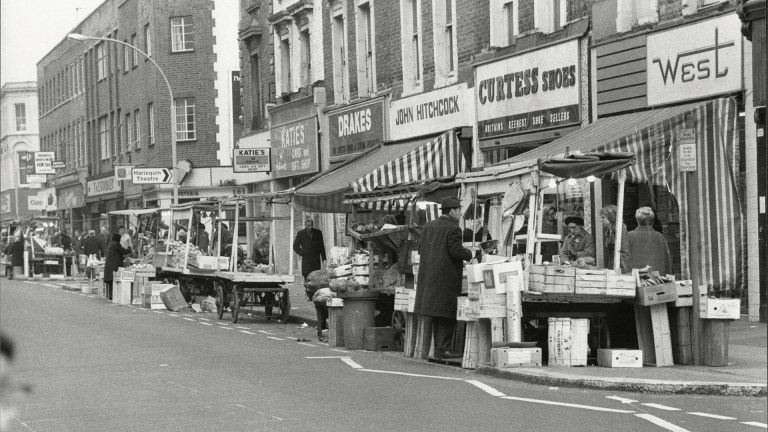
The shops in Fulham in the 1970s have been replaced by a plethora of estate agents
John Bird

I took a walk where I grew up in London. I saw how gentrification has damaged the community

It’s time we stopped having to face up to a SLAPP
Nik Williams on SLAPP
Nik Williams

It’s time we stopped having to face up to a SLAPP

I was homeless as a child. I know what Andy Burnham needs to do to end rough sleeping for good
Danny Beales walks down a street in Ruislip Manor with a blue bridge in the background spelling the name of the area
Danny Beales

I was homeless as a child. I know what Andy Burnham needs to do to end rough sleeping for good