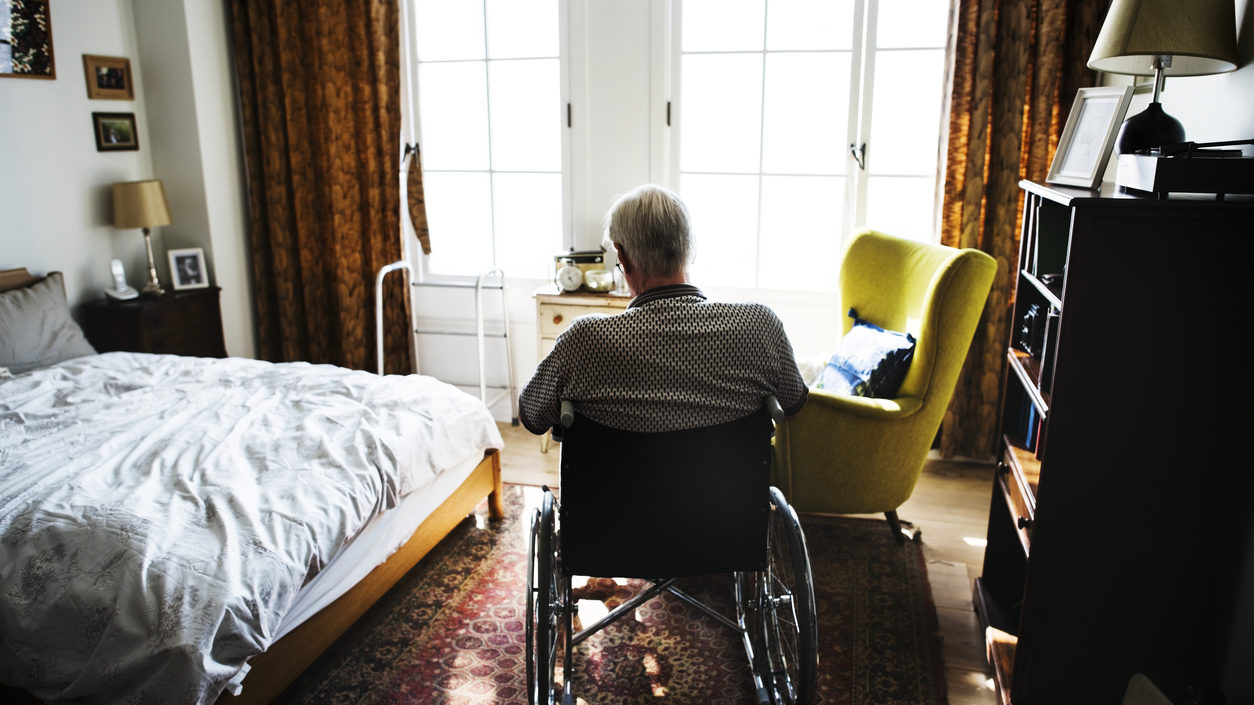
With delayed access to the DFG, individuals may be unable to make the necessary adaptations to their homes, leading to a significant impact on their quality of life and ability to live independently. For those with caring responsibilities, a lack of accessibility in the home can also make supporting their parents or child with a disability much harder. Often these carers are unpaid, and without the correct bathroom or stair lift, they will be facing additional physical and mental challenges.
Even if the paperwork is completed and the application is approved, finding suppliers to carry out the works can be another hurdle.
Due to the real term cut of the grant, and outdated pricing schedules and framework arrangements, there are commercial implications for companies with the right insurances, infrastructure, vetted staff, and high level of expertise to take on this work.
Keep reading the journalism that powers our mission
Register free to continue and learn more about the stories, campaigns and the support we provide, helping people facing poverty across the UK.
The consequences of these delays and challenges resonate far beyond the individual applicant. When people with disabilities are denied the home adaptations they need, the ripple effects can be felt across the healthcare system and social support networks. Not to mention the fiscal consequences, as the impact of poor housing on health is similar to that of smoking or alcohol and costs the NHS at least £1.4bn a year. In fact, every £1 spent on the DFG could save the NHS around £7.50 by preventing accidents and injuries in the home and reducing the need for care.
Having witnessed my father struggle with his mobility which had a significant impact on his life, I know first-hand how important it is for those living with a disability or mobility challenges to have an accessible home. This is not only a space where they can move freely and perform essential daily tasks, but it also represents safety and comfort.
Now, more than ever, we must look at a renewed commitment to the disability facilities grant, and the individuals it serves. Addressing not only the current backlog, but also implementing systemic changes to ensure the grant’s accessibility and efficiency moving forward.
Increased funding, a streamlined application process, and greater coordination between local authorities, healthcare providers and installation companies are all essential steps towards creating a more responsive and reasonable system. Only by prioritising the needs of people with disabilities, can we truly build a society which is inclusive, accessible, and reflective of our shared values of compassion and justice.
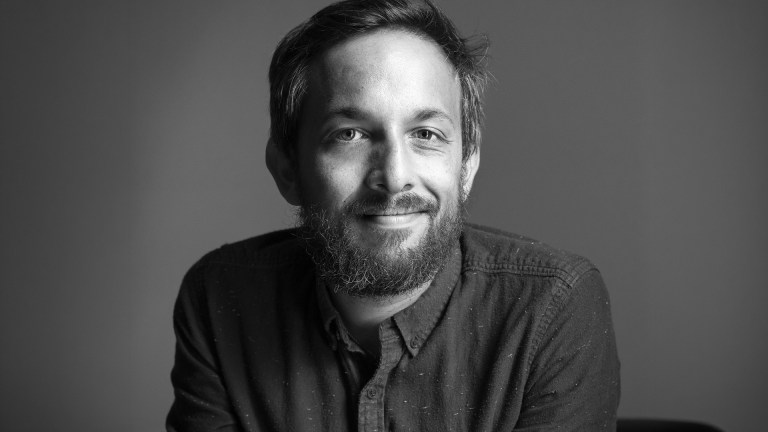
Kevin Carvell is managing director at EA Mobility.
This article is taken from The Big Issue magazine, which exists to give homeless, long-term unemployed and marginalised people the opportunity to earn an income. To support our work buy a copy!
If you cannot reach your local vendor, you can still click HERE to subscribe to The Big Issue or give a gift subscription. You can also purchase one-off issues from The Big Issue Shop or The Big Issue app, available now from the App Store or Google Play