So what was so special about Boston and Florence? These were societies which went through a sudden drop in wealth inequality, the measure of the gap between the richest and the poorest. Most people were well off and the gap was relatively small.
Read more:
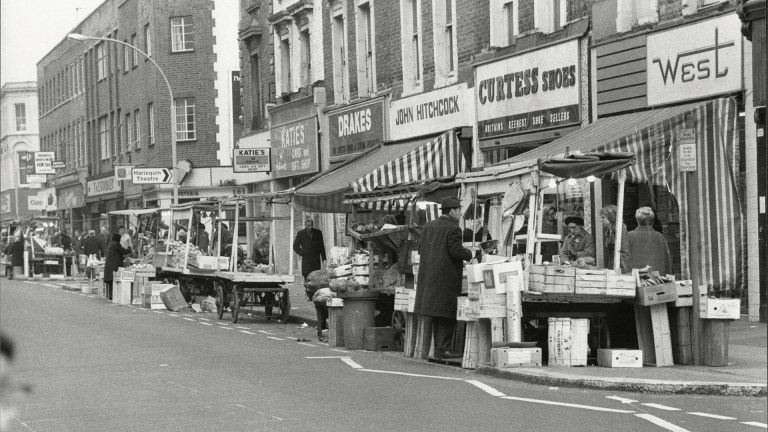
Following the Black Death, wealth was redistributed and inequality dropped. What followed was a relaxation of laws attacking same-sex sex. Boston in the 18th century was a relatively egalitarian place – when historians study wealth inequality, they often use Boston as an example of a relatively equal place.
Continue reading for free
Registration is free and takes less than 30 seconds.
Our supporters make Big Issue’s work possible. Join us to see the impact we’re having together and discover more ways to help people facing poverty access income, opportunity and support.
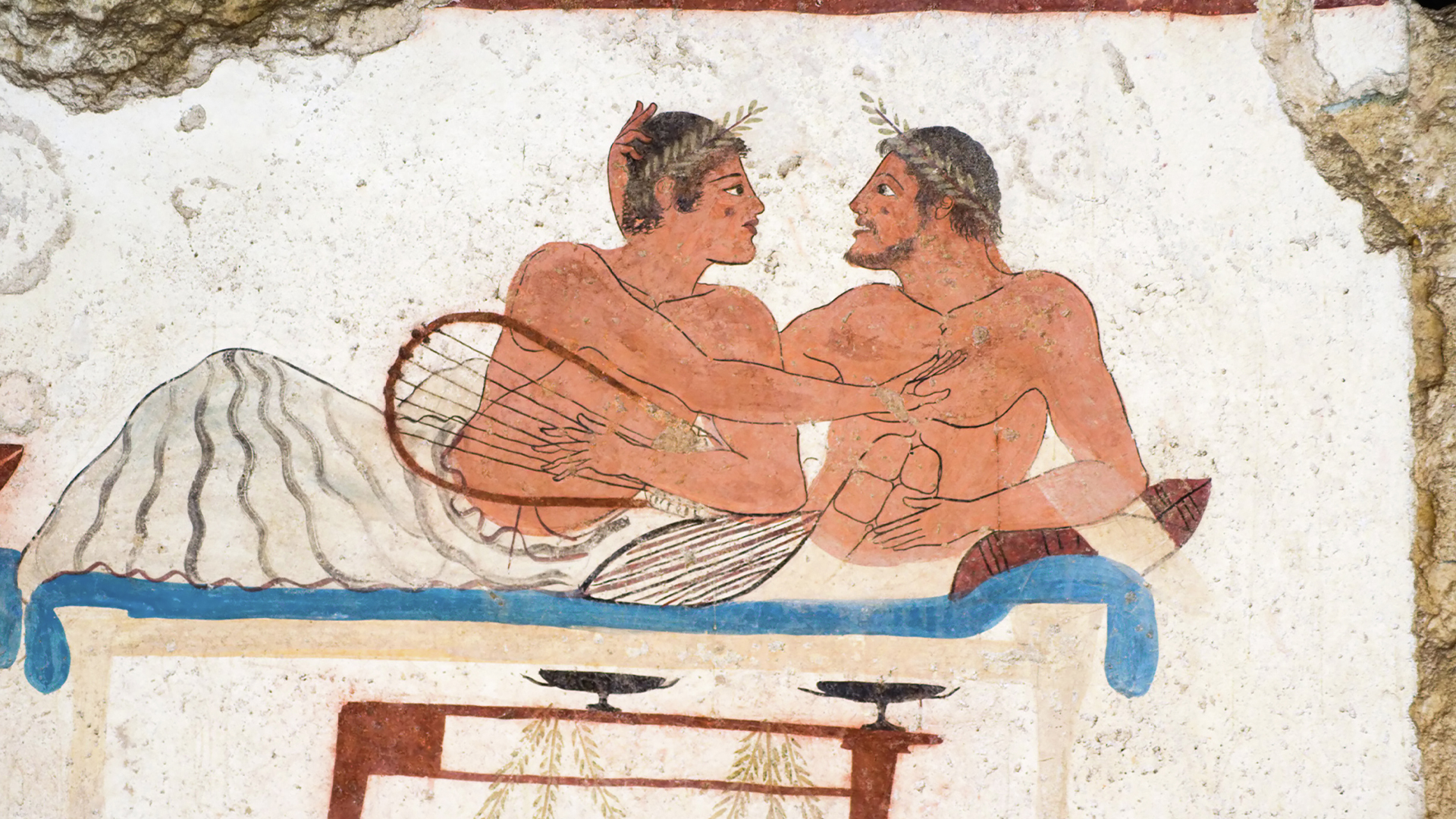
By contrast, when wealth inequality rises following economic shocks, hatred against queer people follows. Ancient Athens lost its protection for same-sex rights following a sudden risen in inequality and war. The law codes of Leviticus, in the Bible, were written directly after an invasion. They condemn gay people.
We are living through a time when billionaires and large corporations are making more money than ever. We are living through a time of stagflation, when ordinary people find their money goes less far than it used to. Following a series of economic shocks, we are seeing the decline of LGBT+ rights. This is completely consistent with history. Indeed, historians expected this would happen. The question is – why?
When people are poor, they spend less. They exercise restraint. They are less likely to splurge on things they want. This makes society on the whole desire fewer things, a simpler world. In studies on human psychology we also find that when people are poorer their sex drive goes down. Poorer societies are less likely to celebrate sexuality and much more likely to want easy-to-understand ways of thinking about men and women. Queer people, whose sexuality and gender often does not fit into neat categories, come under attack.
Advertising helps fund Big Issue’s mission to end poverty
We are living in times of unprecedented wealth inequality. This explains the rollback of LGBT+ rights and opposition to them. But why hasn’t it gone faster?
For most of history, debt has been feared. But most people now have a credit card. People have mortgages. Debt is part of our society. Additionally, the welfare state provides a cushion against destitution for those who know how to navigate it. All these factors are protecting LGBT+ rights somewhat against the total destruction that history might have predicted.
If we want to safeguard LGBT+ rights, it is not enough to attack anti-LGBT+ activists. They are not the cause of this change, they are a symptom. We have to address wealth inequality and we have to address poverty. If we do that, history tells us that LGBT+ people will be able to live more freely.
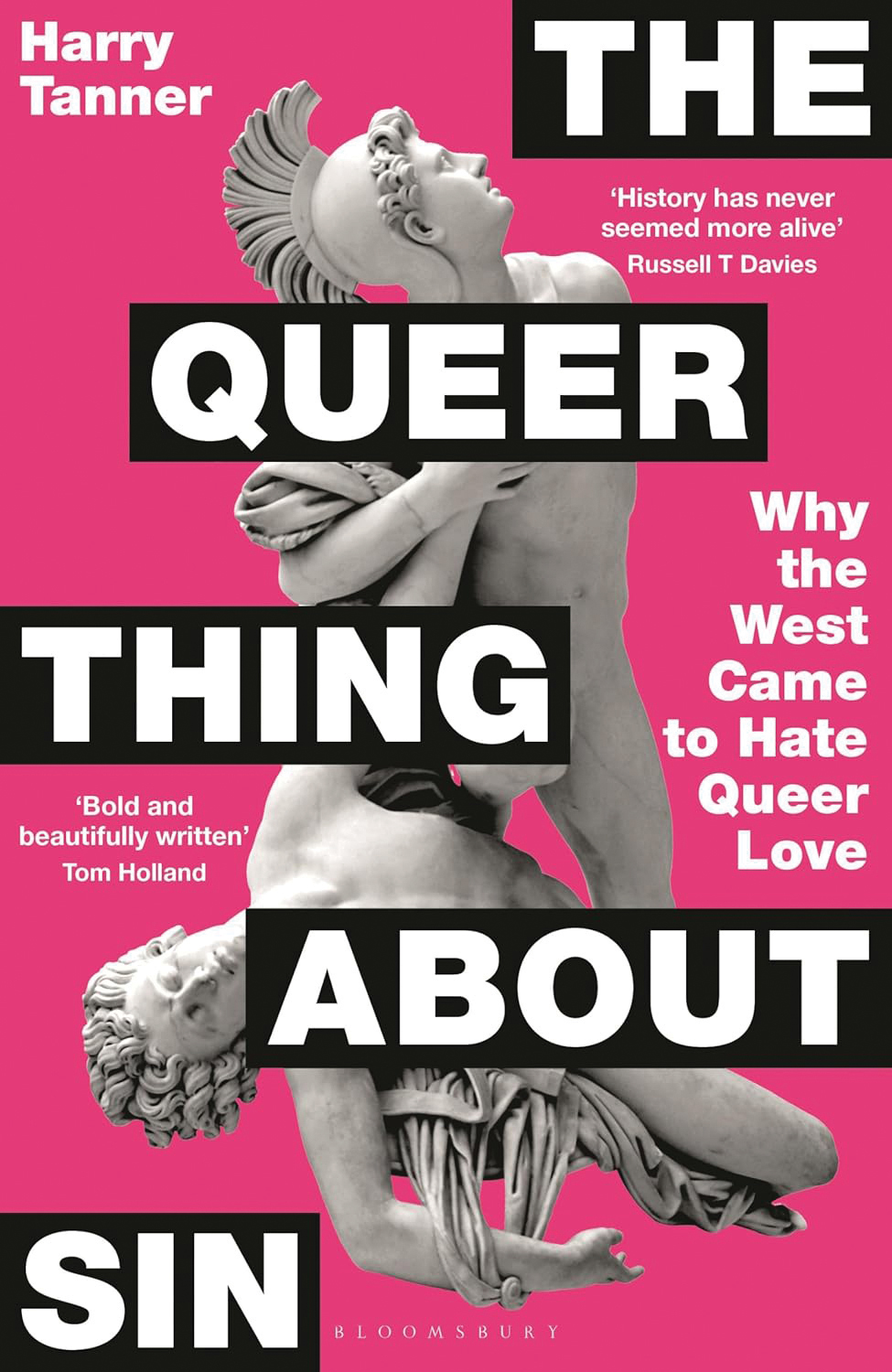
The Queer Thing About Sin: Why the West Came to Hate Queer Love by Harry Tanner is out now (Bloomsbury, £12.99). You can buy it from the Big Issue shop on bookshop.org, which helps to support Big Issue and independent bookshops.
Do you have a story to tell or opinions to share about this? Get in touch and tell us more.
Change a vendor’s life.
Advertising helps fund Big Issue’s mission to end poverty
Buy from your local Big Issue vendor every week – and always take the magazine. It’s how vendors earn with dignity and move forward.
You can also support online:
Subscribe to the magazine or support our work with a monthly gift. Your support helps vendors earn, learn and thrive while strengthening our frontline services.
Thank you for standing with Big Issue vendors.