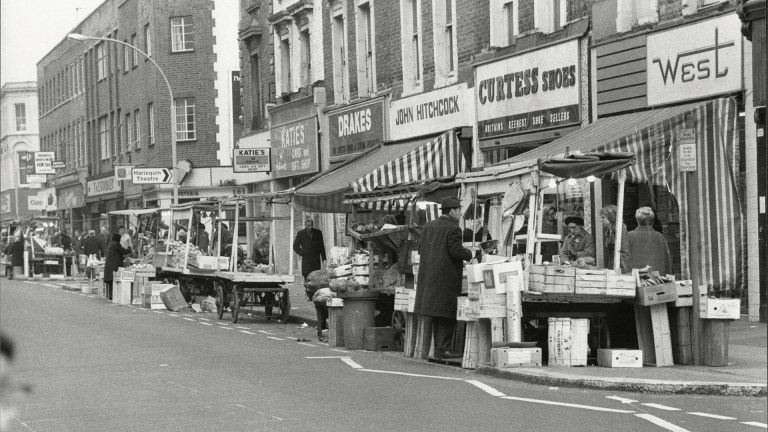

In the course of things I like to pretend I am living in the 1950s. I know friends who pretend they live in the 1980s, resorting to relistening to the music and viewing the old TV programmes. And others who relive the 1970s. As you grow towards middle age and beyond you may need the comforts of idling for a while in former times. Times that might bring you comfort.
Recently I have had the joy of meeting people reliving the 1990s as if they were a golden time. I am sure soon we’ll have the first years of our decade described by some as a time of lost innocence and the music will be played obsessively to rekindle those ‘magic years’.
I think the desire is often based on the need to go to times when things seemed simpler and more assured. When the world beyond our bedroom and front door was unknown and mysterious.
Will we look back on the lockdown in golden terms? I know that already, as it gets lifted, a simplicity and certainty of human good expressed everywhere seems to be diminishing. That we might be heading to more of the same. That lockdown and the heroic efforts of the NHS may have created a sense that everything was possible. But that may well prove as illusory as our childhood desires for wonder and wellbeing to continue forever.
One of my tricks to rekindle the 1950s is to read crime novels from that time. They are so loaded down with all the class furniture of those times. Servants (though decreasing), caring old ladies in the street, a reverence for the royal family. Old tea shops, and old manners, and some of the better classes coming down, having dressed for dinner, to the dining rooms of their own homes.
One of the most constant figures of that time was the ever respectable, unchanging, grey figure of the civil servant. The man, always a man, who got the same train from the shires or suburbs each day, had The Times folded under his arm, and had a rolled-up umbrella.