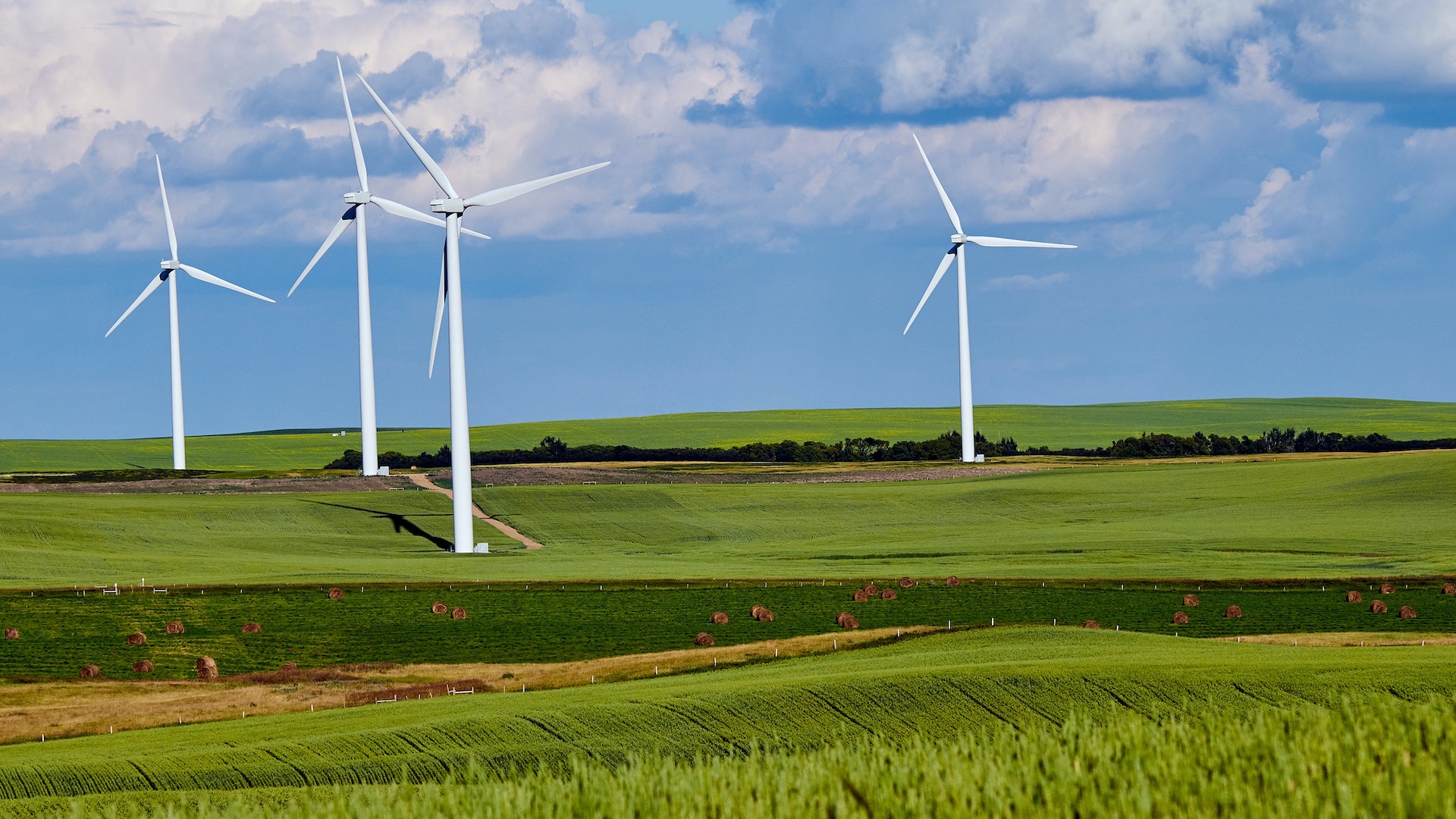
And leaning into the green transition that is happening around the world – with astonishing speed in countries like China and India – will boost the economy. As Keir Starmer and Rachel Reeves often say, borrowing a line from the former Conservative MP Chris Skidmore, “net zero is the economic opportunity of the twenty-first century”.
The UK’s economy has been stuck in a low investment, low growth trap, with GDP growing just 1.1% last year. By contrast, green businesses grew by 10%. We need to support those working in polluting industries. A just transition is essential. But the shift away from fossil fuels is now unstoppable across the world. Clean industries offer Britain our best opportunity for economic growth in the coming years.
Although the political consensus on climate change has fractured, business support remains strong, with renewable energy companies investing more than £50 billion in the UK economy since Labour came to power. And the public is still on side. Almost three times as many people support the net zero target as oppose it.
However, if the costs of reaching our net zero commitments seem excessive, public support will weaken. People need to feel the benefits of a greener economy. That’s why last month’s budget was vital, as the chancellor reduced average household energy bills by £154. As Green Alliance recommended, this was largely achieved by moving levies off electricity bills, reducing the price of electricity relative to gas.
Beyond the climate, the government’s record on environmental issues is more mixed. We are promised a circular economy strategy that help us make better use of resources, particularly by reducing plastic waste, but this has been delayed. There will be significant investment in cleaning up our polluted rivers and seas, but it will take time for anyone to see a difference. When it comes to preserving the places people love, including the landscapes and nature that make them lovely, the government has proved tone deaf at best, and positively hostile at worst.
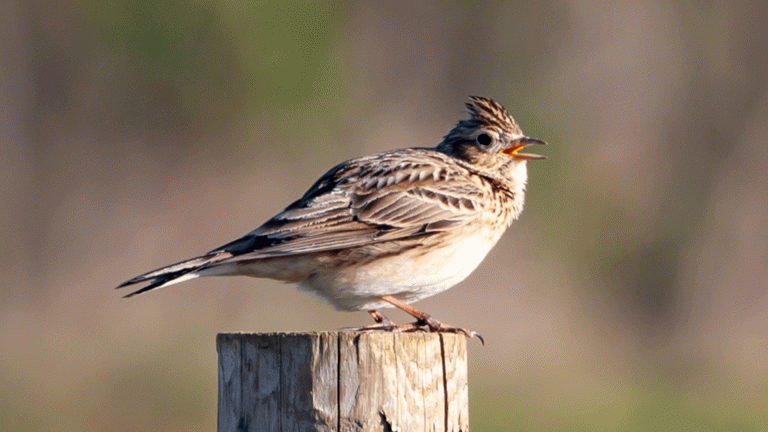
Britain is one of the most nature depleted countries on earth and this is getting worse. It will be impossible to restore nature unless we also tackle climate change, which is why the Conservatives’ and Reform’s claim to love the natural world ring hollow. But fighting climate change must also strongly emphasise restoring nature – planting more trees, restoring peatlands and ensuring that new housing and other developments result in a net gain for nature.
The chancellor, in particular, does not get this. She constantly talks as if there a choice between nature and growth. This is ignorant and offensive. There is plenty of evidence that we can get the housing and other development the country needs without trashing nature. Unfortunately, the chancellor doesn’t seem interested in win-win solutions.
Is the prime minister? Earlier this month the government launched a far-reaching Environmental Improvement Plan covering its ambitions for nature, air quality and many other issues. There was much for people who care about the environment to welcome, but rather than identifying himself with the plan, the prime minister chose the moment of its launch to make a speech attacking environmental regulation.
The government needs to decide whether it wants a country where nature thrives or if it sees nature as an obstacle to development. As it stands, conservation groups assume the latter. So for all its good work on climate, next year looks likely to see Labour face a return to battles over environmental policy.
Shaun Spiers is the executive director of the environmental think-tank Green Alliance.
Do you have a story to tell or opinions to share about this? Get in touch and tell us more.
Reader-funded since 1991 – Big Issue brings you trustworthy journalism that drives real change.
Every day, our journalists dig deeper, speaking up for those society overlooks.
Could you help us keep doing this vital work? Support our journalism from £5 a month.