How dance is helping women heal after being diagnosed with cancer
Dance can help people (re)build a positive relationship with their body, says Move Dance Feel founder Emily Jenkins
by: Emily Jenkins
14 Mar 2025
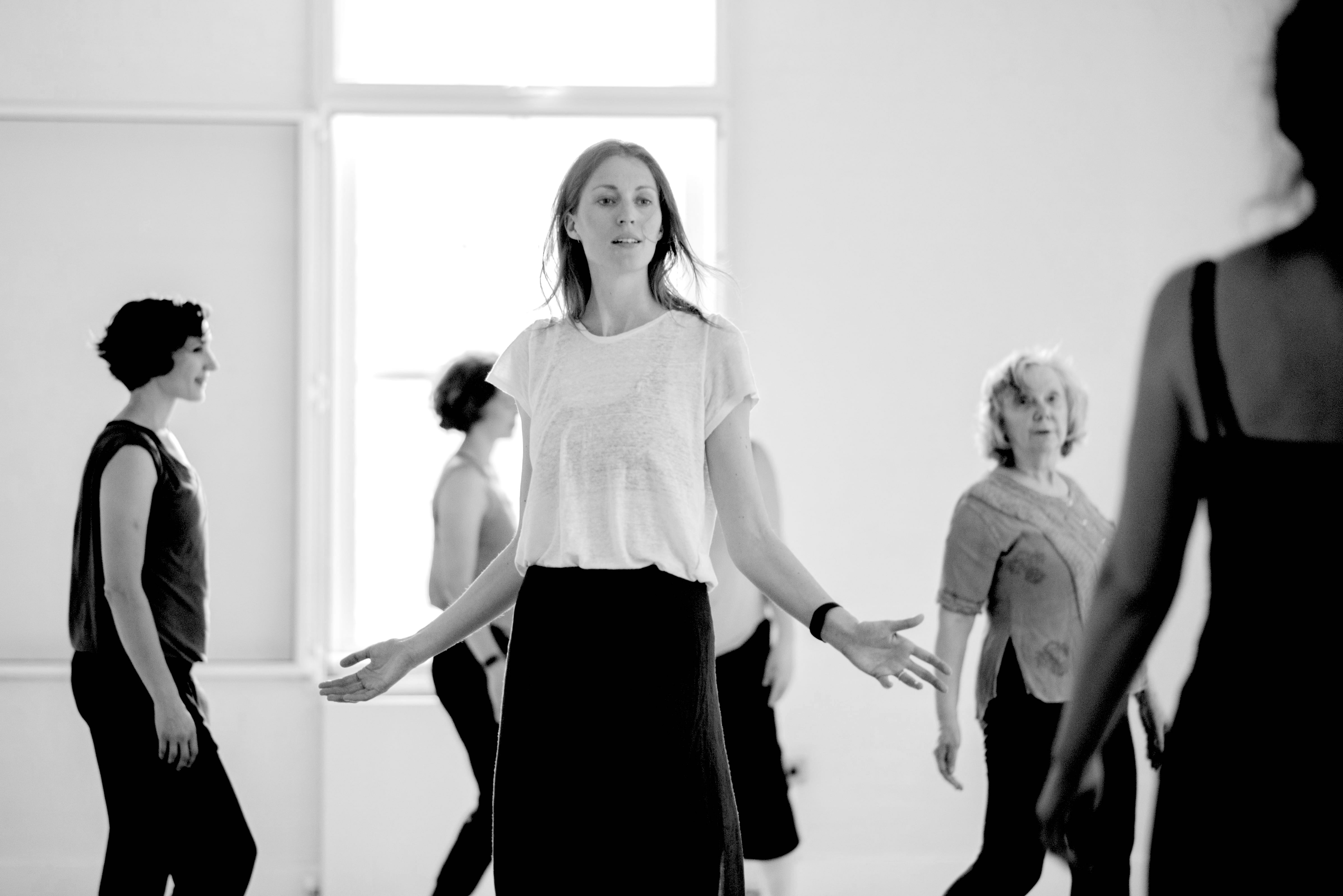
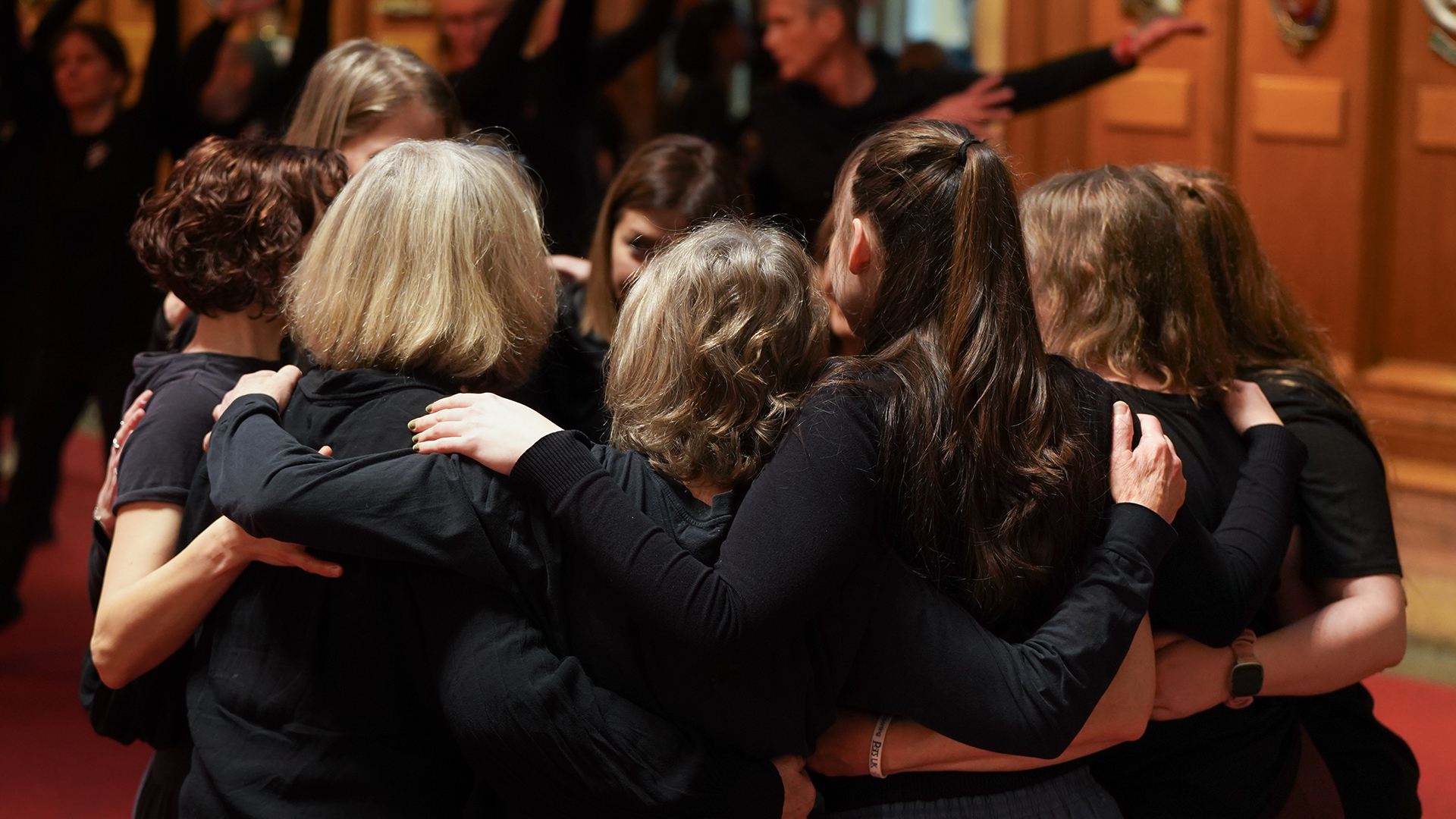
Move Dance Feel is helping women with cancer reconnect with their bodies. Image: Emma Last
Share
Cancer rates in women are increasing, and the side-effects of cancer diagnosis and treatment often result in complex and prolonged difficulties. Yet frustratingly, there is little access to holistic or ongoing support for women after treatment.
From a young age, I saw this first-hand. A family member was diagnosed with cancer, and I was witness to the difficult impact it had on their body, spirit, confidence and relationships, and yet no one really talked about it. I learned how shocking and difficult it can be, especially without holistic or psychological care, for the person diagnosed and their relatives.
Mainstream cancer care services tend to fixate on duration of life over quality of life, and this is reflected in the rise of mental health issues and long-term physical challenges among cancer patients that are partnered with feelings of constant worry.
Despite Public Health England acknowledging cancer as a long-term health condition, around 75% of people in the UK are left unsupported after their treatment finishes. Physical activity is known to be a ‘wonderdrug’ in this post-treatment context, yet very few physical activity initiatives are available or accessible to the cancer community.
Research shows physical activity, and by association dance, is beneficial at all stages of cancer and treatment. People who are physically active are better prepared for cancer treatment (prehabilitation), respond better to treatment (symptom control), recover more quickly following treatment (rehabilitation), are more likely to maintain a sense of wellbeing (health management), reduce their chances of cancer recurrence (prevention), and have improved quality of life (even in palliative care).
Advertising helps fund Big Issue’s mission to end poverty
More support is needed to help people (re)build a positive relationship with their body, which gets significantly disrupted when living in a body with cancer – and dance can do that.
What stands us apart from other cancer support services is that dance – inherently – focuses on the relationship we have with our bodies. Our primary communication is physical. Unlike most cancer support services, which expect people to verbalise and cerebrally process their cancer experience, dance places value on physical processing.
Continue reading for free
Registration is free and takes less than 30 seconds.
Our supporters make Big Issue’s work possible. Join us to see the impact we’re having together and discover more ways to help people facing poverty access income, opportunity and support.
As cancer can cause sudden and immense changes to the body, people can commonly feel disconnected from it and as a result, largely feel disconnected from themselves.
Drastic surgeries can leave women feeling like their bodies are ‘alien’ or ‘mutilated’, which seeds feelings of self-judgement, distrust, anger, dislike or shame. Dance however offers an antidote – its fun and expressive nature helps women to find pleasure in the body again, which can minimise negative feelings towards it.
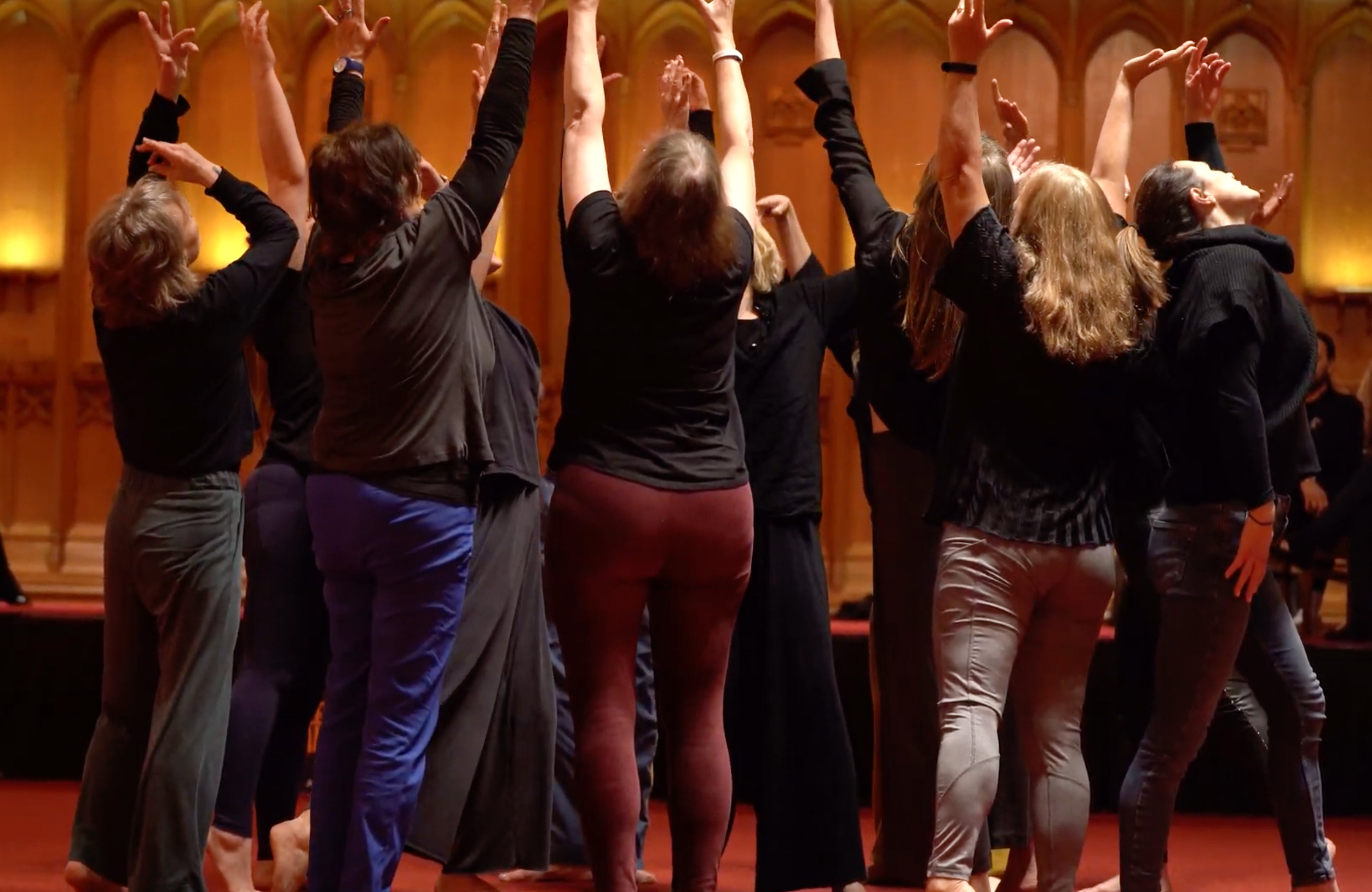
Image: Emma Last
Through collaborative, creative and playful dance explorations we focus on what the body can do, as opposed to what it can’t; accommodating and celebrating women exactly as they are.
Advertising helps fund Big Issue’s mission to end poverty
Dancing also tends to quieten the worried mind because it is a cognitive workout that asks us to be in this moment in time; it brings us into the present and frees us from over analysing yesterday or being concerned about tomorrow – something cancer communities appreciate greatly.
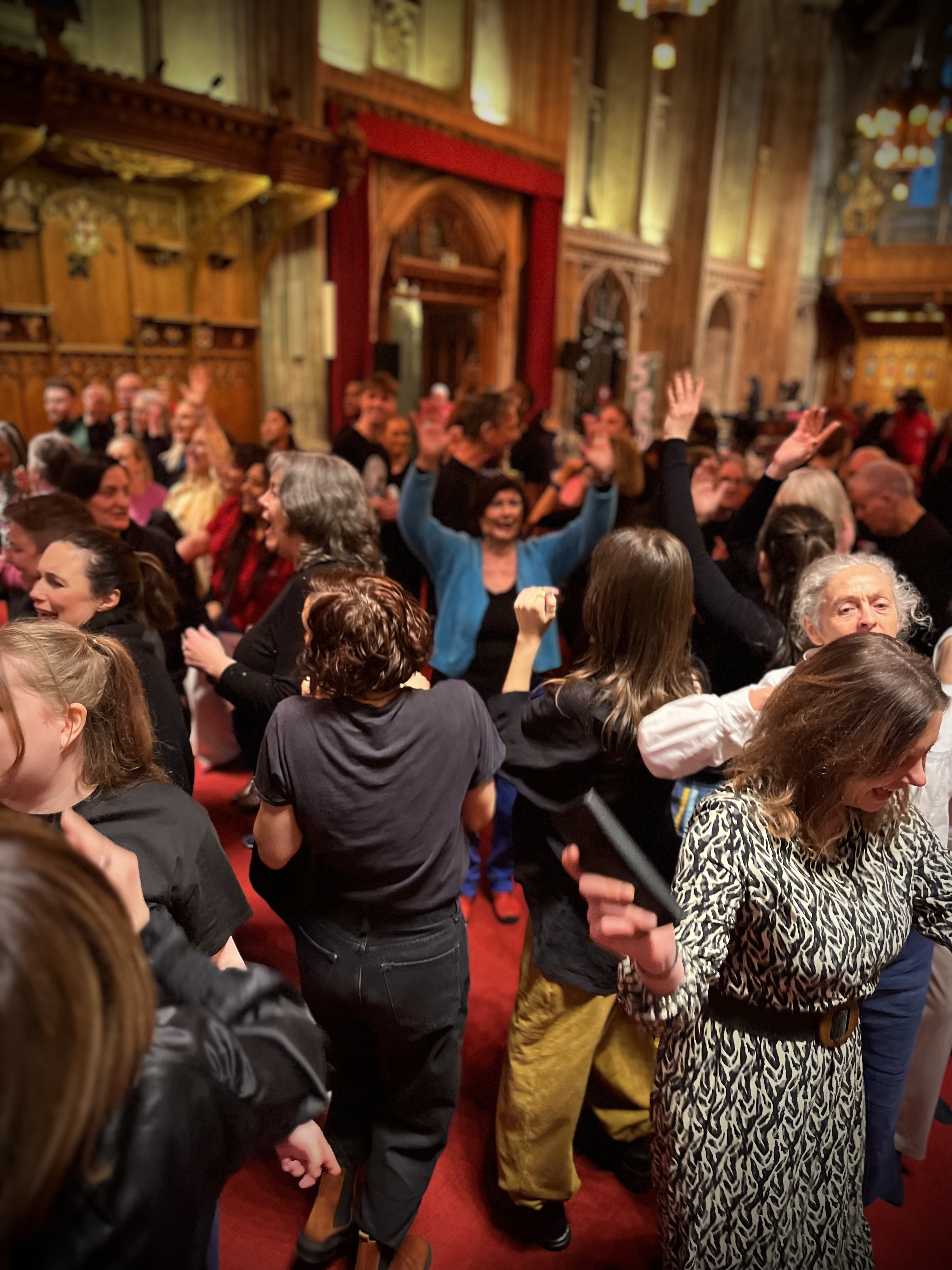
As the most social of all art forms, dancing also deeply connects us to others. In the context of cancer, to move with a group of people who ‘just get it’ and reciprocally exchange energy and joy creates a palpable sense of wellbeing.
There are countless studies showing the positive benefits of arts, and specifically dance, on our individual and collective health and wellbeing, yet public awareness of this remains small.
Progress has been hindered by the former UK government’s segregation of arts from ‘strategically important’ subjects and a 50% cut in funding for arts and creative courses in higher education. The UK has one of the lowest levels of government spending on arts and culture among European countries, and local government revenue funding for culture plummeted by 48% in England, 40% in Wales and 29% in Scotland between 2009 and 2023.
With a new party and prime minister at the helm, it’s time for the UK to rewrite its recent history and invest in the arts and integrated healthcare initiatives. While I welcome the government’s new funding package for the arts, culture and heritage sector, when it comes to a concerted focus on the role of the arts in preventing ill health – from enhancing wellbeing and mental health to reducing the impact of trauma – sadly we’ve got a long road ahead.
There needs to be a substantial political and ideological shift demonstrating that unity, wholeness and joy – which are at the centre of dancing in community – are antidotes to the sense of loneliness, fragmentation and anxiety that is so prevalent in society, whether living with cancer or not. Research shows that if we keep dancing throughout our lives, we would save up to 2.7 million GP appointments. Can we really afford not to prioritise dance in the future?
Advertising helps fund Big Issue’s mission to end poverty
It’s time to change the perception of dance as primarily a performance medium and instead utilise it as the powerful tool for health, social connection and healing that it really is.
Emily Jenkins is the founder of Move Dance Feel, which offersweekly dance sessions via Zoom, free of charge. They take place on Monday evenings and Friday mornings and include 60 minutes of dancing, immediately followed by an opportunity for attendees to stay online and socialise. To register, visit movedancefeel.com/move-dance-feel-online.