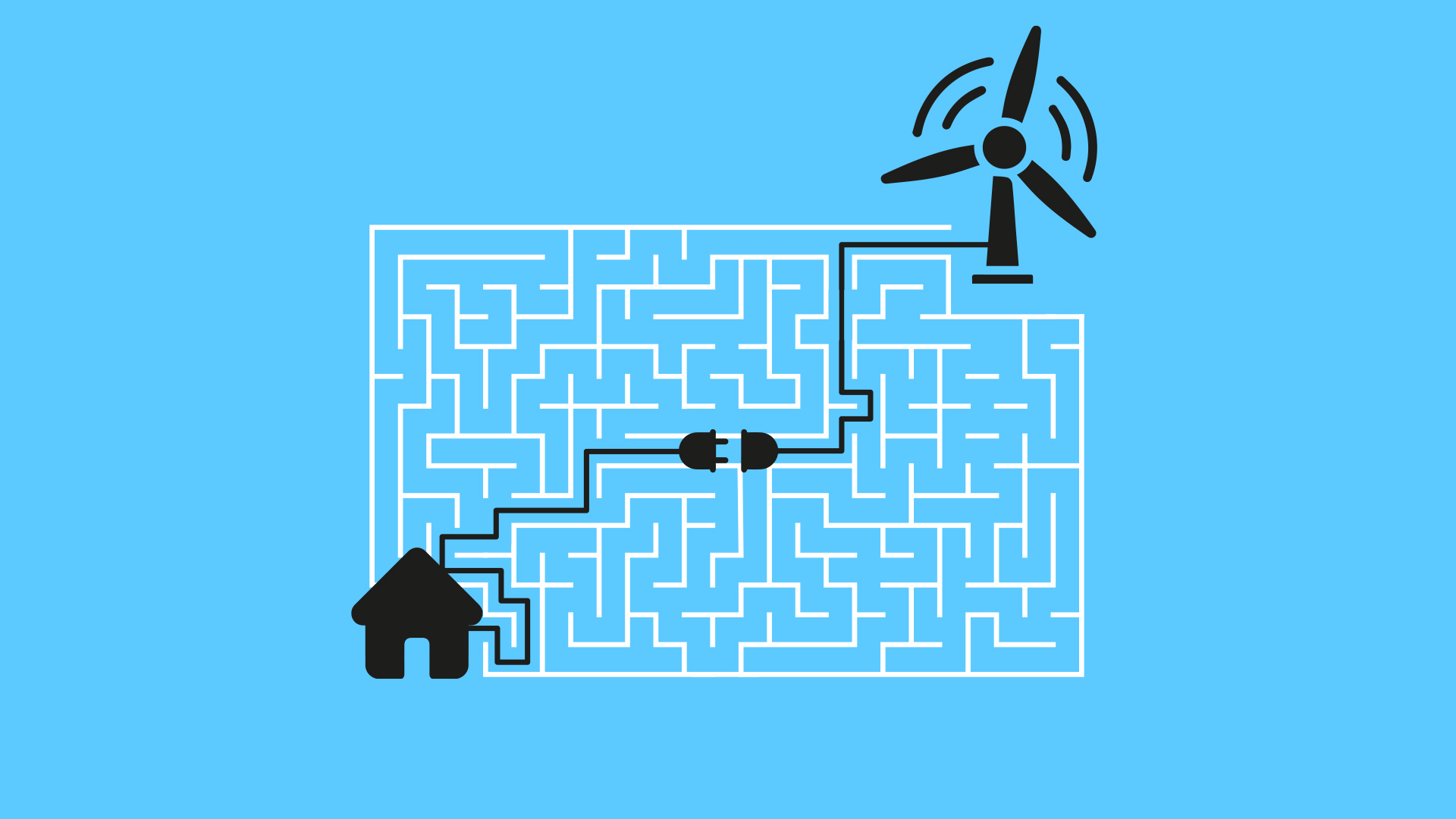
We need to act now if we want to achieve net zero. It’s why we’ve launched The Great Grid Upgrade, the largest overhaul of the grid in generations.
The original grid was built to transmit power from coal power stations but the location of generation has changed – most notably to large offshore wind farms – and major new reinforcement is needed, along with new subsea cables, substations and power lines.
It’s a massive undertaking but has so many benefits. The upgrade will enable the electricity grid to carry more clean energy to communities in every part of England and Wales, helping us all reach net zero faster. It will connect clean energy that’s produced right here in the UK, increasing the self-sufficiency of our energy supplies.
Keep reading the journalism that powers our mission
Register free to continue and learn more about the stories, campaigns and the support we provide, helping people facing poverty across the UK.
We’ll no longer be reliant on importing expensive gas to generate electricity and can use cheaper home-grown renewable power instead, lowering all of our bills in the long term. It will bring economic benefits too; the UK government suggests that investment in the grid could contribute an estimated £4-11 billion to Britain’s economy in 2050.
It’s a big challenge but the good news is that as a nation we’ve done this before. The original National Grid was energised 70 years ago, ushering in a new energy era in Britain. Brilliantly (and testament to the engineers at the time) it was designed to easily accept future upgrades.
This early engineering innovation laid the foundation for one of the world’s cleanest, safest and most reliable transmission networks that still operates today. Now we need a repeat of that innovation, designing a new grid that will again last for decades to come.
It’s a massively exciting time with so much opportunity ahead. It’s not just new infrastructure, we need new people and new ideas too. The government suggests the electricity grid could support up to 130,000 jobs between now and 2050 and our own research suggests that the UK’s energy sector needs hundreds of thousands of people to fill 400,000 net-zero jobs.
The work these jobs will do is changing too. The grid will be more automated, using artificial intelligence and drone technology for example. It will also be more flexible, with increasing consumer interaction. The new Demand Flexibility Service is a glimpse of the future, where consumers opt in to get paid to reduce their electricity usage and help the electricity system better manage peak demand.
That’s particularly relevant for electric vehicles. If you work at National Grid you often get asked can the grid cope with the switch to EVs? The answer is yes. There is enough power and we see EVs as a positive development. They can act as batteries on wheels, helping to balance a smart and flexible grid.
The transition won’t be easy, or be delivered by one organisation alone. We need support from right across society with everyone getting involved and pulling together in a national effort. This includes reform from government and our regulator Ofgem, continued innovation and investment from industry, and consumers embracing a more flexible electricity system too.
If the UK gets this right, the prize is significant. It’s the right thing to do for future generations too – it’s time for The Great Grid Upgrade.
Alice Delahunty is President of National Grid Electricity Transmission