Advertising helps fund Big Issue’s mission to end poverty
Opinion

As Britain's health gaps widen, can Burnham replicate his Greater Manchester success around the UK?

Our health is shaped as much by the places we live as the care we receive, writes Urban Health's Mark Heffernan

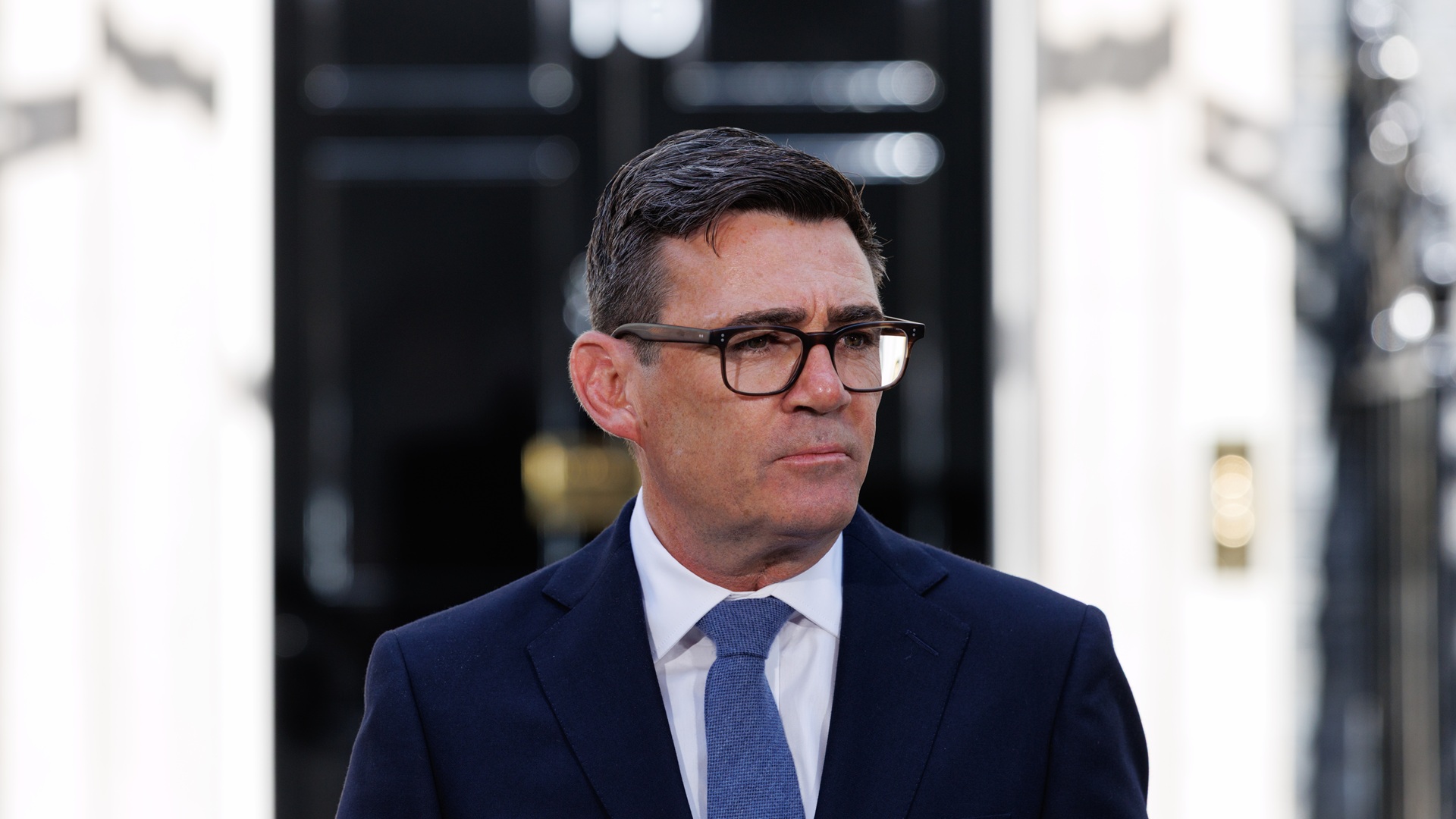
New prime minister Andy Burnham outside 10 Downing Street

Andy Burnham has already promised big changes as prime minister. Image: Lauren Hurley / No 10 Downing Street

Andy Burnham faced no shortage of challenges in his first week. At the heart of all of them is a country where healthy life expectancy – the years people spend in good health – is falling. If Burnham has put delivering for communities at the centre of his agenda, then giving everyone the opportunity to live in good health must be his guiding principle. The causes of declining healthy life expectancy are complicated. Pressures on the NHS, where the majority of political attention has been focused, play their part. But our health is shaped as much by the places we live as the care we receive. The simple truth is those places are not supporting people to be healthy. 

Secure and good housing is foundational to health. Since 2000, the number of people in the precarious and expensive private rented sector has doubled to 13 million. UK homeowners pay 19% of their income on mortgages; low-income households as much as 60% on private rent. Access to healthy food should be a right. But for too many it is a challenge, with healthy food costing over twice as much per calorie as the least healthy.


Poverty is both a deep cause and consequence of ill-health. In-work poverty has been rising for years, and child poverty has reached devastating levels: 31% of all children in the UK live in poverty.

These trends came up again and again in our recent State of Urban Health research. It uncovered stark inequalities between urban and rural areas, and shocking disparities within the towns and cities where 83% of the population live. In one London borough, there’s a 19-year difference in life expectancy for women within a 20-minute walking distance. These are the symptoms of a nation which is getting sicker, and where affluence sits alongside deep poverty and ill-health.

Burnham inherits the Neighbourhood Health framework which offers a chance to tackle these inequalities and foster environments that promote good health. And he can build on lessons learned from his time in Greater Manchester. Burnham’s approach to health worked. Greater Manchester has been one of the few areas to buck national trends. People there are living longer, healthier lives. Now he faces a bigger, national challenge.   

As prime minister, Burnham should see the nation’s health not as a siloed policy area but as a fundamental metric of progress, a way of restoring people’s faith in government and a belief that politics can work for everyone. But how?

Advertising helps fund Big Issue’s mission to end poverty

Read more:

1) Make prevention count

The government wants to use Neighbourhood Health to bring services closer to people. But it can be much more than that, and address factors that shape health before people become ill. Housing, transport, employment, food, and air quality all profoundly affect our health, yet too often sit at the margins of health policy. 

Current plans are too narrowly focused on clinical considerations. Neighbourhood Health must bring together housing, local government, transport, and economic policy and reflect the individual needs and contexts of the neighbourhoods it is seeking to serve.

As importantly, Neighbourhood Health should be done with people, not to them. Engagement, shared decision-making, and community participation should be built into plans from the start.

2) Deliver a more ambitious air quality strategy

Advertising helps fund Big Issue’s mission to end poverty

Air pollution is the biggest environmental threat to health in the UK. Every year, it contributes to 30,000 deaths and costs the economy over £27 billion. The effects of air pollution are not felt equally across the country, and it drives health inequalities in urban areas – those from minority ethnicities and those living in deprived areas are more likely to experience the conditions leading to unequal outcomes. Damp and mould, causing indoor air pollution, is more common in urban areas – and six times more likely to be in homes in the most deprived areas. In private rental properties, it’s almost two times more likely to affect your home if you’re black than if you’re white.  

Burnham should start by committing to ambitious air quality targets aligned with the World Health Organisation’s guidelines. Clearer targets would create the urgency needed to drive faster progress, while providing certainty for local authorities, businesses and communities.

3) Focus on nutrition and early years

The expansion of free school meals (FSM) has been an important step towards reducing inequalities, but gaps remain. Some of the most acute inequalities in child health are visible in food provision. In England, the proportion of pupils eligible for FSM is significantly higher among black and other minority ethnic groups compared with the national average. The quality of provision also varies significantly across the country, limiting the health and educational benefits that good food can deliver.

The opportunity for Burnham is to simplify a fragmented system and centre around a straightforward principle: every child, regardless of age, background or postcode, must have consistent access to healthy food. Improving food provision is a long-term intervention that improves development, educational attainment and future health outcomes while narrowing inequalities from the earliest stages of life.

Health is created long before someone enters a GP surgery or hospital. Burnham’s record suggests he understands that improving health means improving the places people live, learn and grow. One of his most important challenges will be to show that government can improve the everyday conditions that shape people’s lives. In doing so, he can rebuild trust that the country is moving in the right direction – and watch health outcomes do the same. 

Advertising helps fund Big Issue’s mission to end poverty

Mark Heffernan is director of policy, influencing & change at Urban Health

Do you have a story to tell or opinions to share about this? Get in touch and tell us more

Change a vendor’s life.

Buy from your local Big Issue vendor every week – and always take the magazine. It’s how vendors earn with dignity and move forward.

You can also support online:
Subscribe to the magazine or support our work with a monthly gift. Your support helps vendors earn, learn and thrive while strengthening our frontline services.

Thank you for standing with Big Issue vendors.

Advertising helps fund Big Issue’s mission to end poverty

Do you know how Big Issue 'really' works?

Watch this simple explanation.

Recommended for you

View all
Healthier lives were Glasgow's 2014 Commonwealth Games legacy. 2026's games must raise that bar
The Commonwealth Games
Steven Mackenzie

Healthier lives were Glasgow's 2014 Commonwealth Games legacy. 2026's games must raise that bar

'I’ve had to weep with those who lost everything': Inside Venezuela's devastating earthquakes
Venezeula humanitarian worker Claudia Gonzalez Pacheco
Claudia Gonzalez Pacheco

'I’ve had to weep with those who lost everything': Inside Venezuela's devastating earthquakes

In the occupied West Bank, a child is killed every week. When did that become acceptable?
UNICEF UK CEO Dr Philip Goodwin visited the community of Um El Kheir Village south of the WB with UNICEF State of Palestine, meeting children and hearing about the challenges they face
Dr Philip Goodwin

In the occupied West Bank, a child is killed every week. When did that become acceptable?

Burnham is singing from Big Issue's hymn sheet on rough sleeping. It gives us reason for hope
new prime minister Andy Burnham in front of Downing Street crowds
John Bird

Burnham is singing from Big Issue's hymn sheet on rough sleeping. It gives us reason for hope