I'm the HR director of a water company. We've got to make some changes in the world
Water companies have faced significant criticisms around pollution, sky-high bills and profits. The HR director at Severn Trent shares his thoughts on this – and how the company is trying to make positive changes in the world
by: Neil Morrison
6 Aug 2025
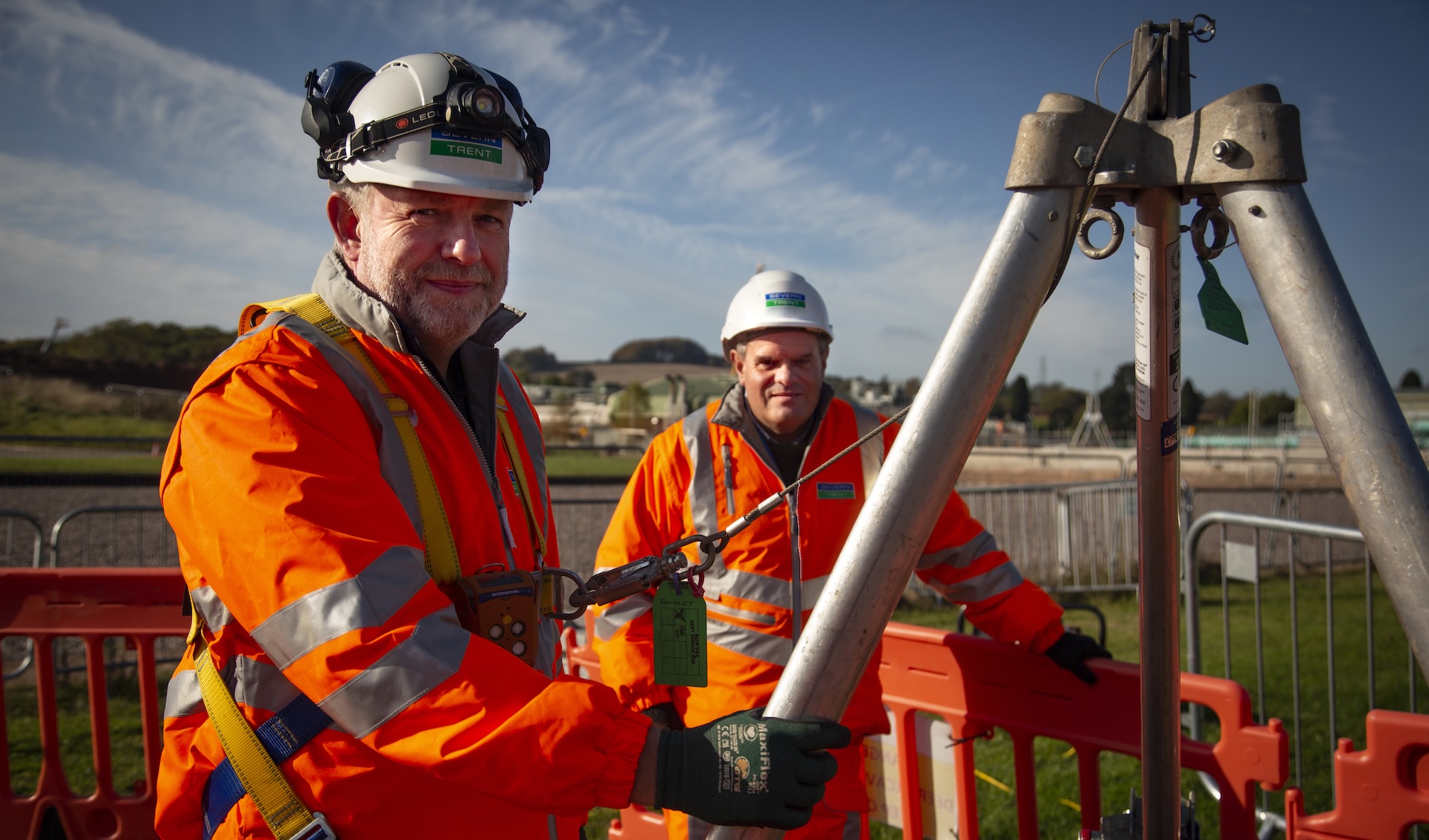
Severn Trent workers. Image: Severn Trent
Share
There’s a moment when I’m asked what I do, when I debate whether it is safer to say I work in HR or a water company – both can illicit quite strong reactions. More people than ever have a view about the water industry, whether that’s, concerns about pollution, lack of investment, bills, or dividends. Some of it is valid. Some of it, in my opinion, simply isn’t true.
But I understand the frustration. We’re a privatised monopoly providing an essential service. People can’t choose their water provider so there is a brighter spotlight on us than many private companies. There’s a perception that we’re only interested in profits and dividends, and because we’re not a public service that everything else comes second to that.
I can’t speak for the whole industry, but I can speak for Severn Trent. And what I’ve seen in my eightyears here is a workforce, at every level, that genuinely cares. Across the company there’s a pride and a quiet determination to do the right thing, even when it doesn’t make the headlines. Engagement is high, turnover is low, and discretionary effort is through the roof. We work around the clock to serve our communities every single day of the year come rain or shine, but we don’t think that’s enough.
Two years ago, around the time of the height of the cost of living crisis, we made a commitment to help 100,000 people across the Midlands tackle the root causes of poverty. We knew there was a risk that people would claim we were trying to obfuscate or that it was social washing – but the alternative was to do nothing, which may be safer but benefits no one in the end.
Advertising helps fund Big Issue’s mission to end poverty
Advertising helps fund Big Issue’s mission to end poverty
As a regional monopoly we have a privileged position. And that privilege gives us a responsibility, not just to the environment, but to those living where we operate. To be blunt, the reason we can do this and is because of the organisation we are. The fact we’re replumbing the Midlands means new jobs in our communities and it means we can be a force of good to help others because of the scale of investment we’re making.
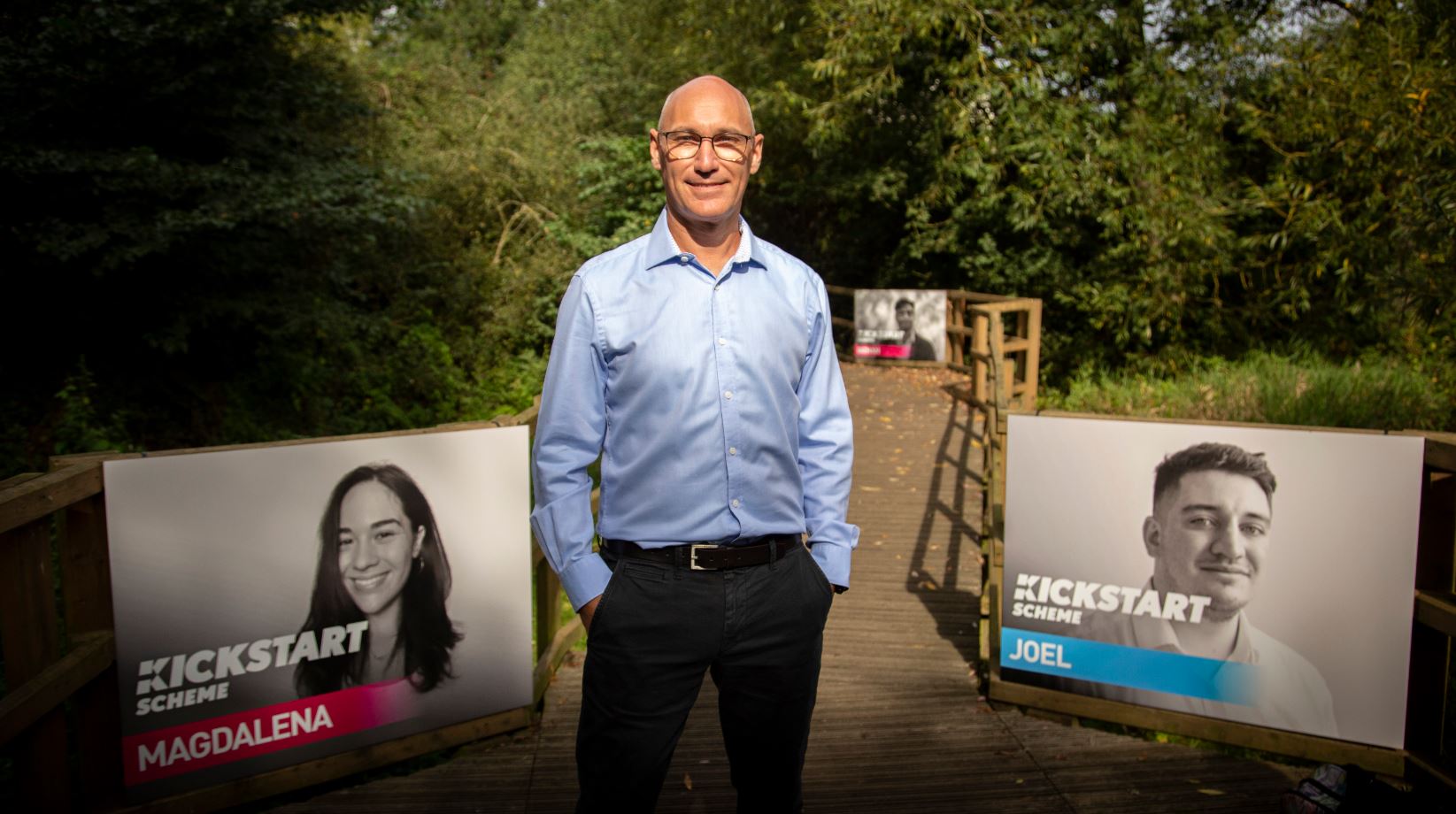
Neil Morrison, HR director at Severn Trent. Image: Severn Trent
The work we are doing is about tackling unemployment and creating interventions for people to stop them getting into poverty in the first place. It starts at an early age, partnering with schools and creating thousands of work experience opportunities and internships. If you don’t have good quality work experience, you’re six times more likely to become NEET. And we’re also working with specific groups in our communities who face significantly greater barriers than others.
Take those with experience of the care system. Our care leavers work preparation scheme was developed through the Midlands Employer Alliance we formed with the charity ReGenerate. Alongside partners like E.ON, NEC, Wincanton, the NHS and Birmingham Airport, we are working to help 400 young people step into the world of work, build confidence and to gain the kind of experience that will help them into good quality jobs.
Keep reading the journalism that powers our mission
Register free to continue and learn more about the stories, campaigns and the support we provide, helping people facing poverty across the UK.
Care-experienced young people often carry immense resilience. They’ve managed homes, budgets, and responsibilities from a young age. But many have never had help writing a CV, never shaken someone’s hand in a meeting, never had connections with people outside of their social worker or PA. And that’s the difference a business can step in and make – give them exposure to new things, the opportunity to meet different people and sometimes simply tell them they are good enough.
But the barriers can be significant and hard to overcome. A young 17-year-old unable to come to their first day of placement because they’ve lost their accommodation that morning, the young man who didn’t want to remove his hood because he couldn’t afford a haircut, the young girl who wore shoes three sizes too big because she had no smart shoes of her own so borrowed her boyfriends. Maybe things that we haven’t had to worry about, but it’s a reality of these young people and whilst it can be hard to hear – it just drives us on to do more for them and to build alliances with those that want to help.
So yes, I’m the HR director of a water company and I’m happy to lean into the criticism we face and to drive the improvements that we need to make for the eight million people that use our services every day. Our status as a privatised regional monopoly may be divisive, but the spotlight on the sector shouldn’t stop us doing what we believe is right. We have a role to play in tackling the social issues on our doorstep, like we have in tackling the environmental issues, and we will do our part even when others feel they can’t.
Advertising helps fund Big Issue’s mission to end poverty
We will always welcome scrutiny and challenge, but there is another side to Severn Trent the sometimes others don’t see. We believe we, and businesses more broadly too, can and should always be a force for good.