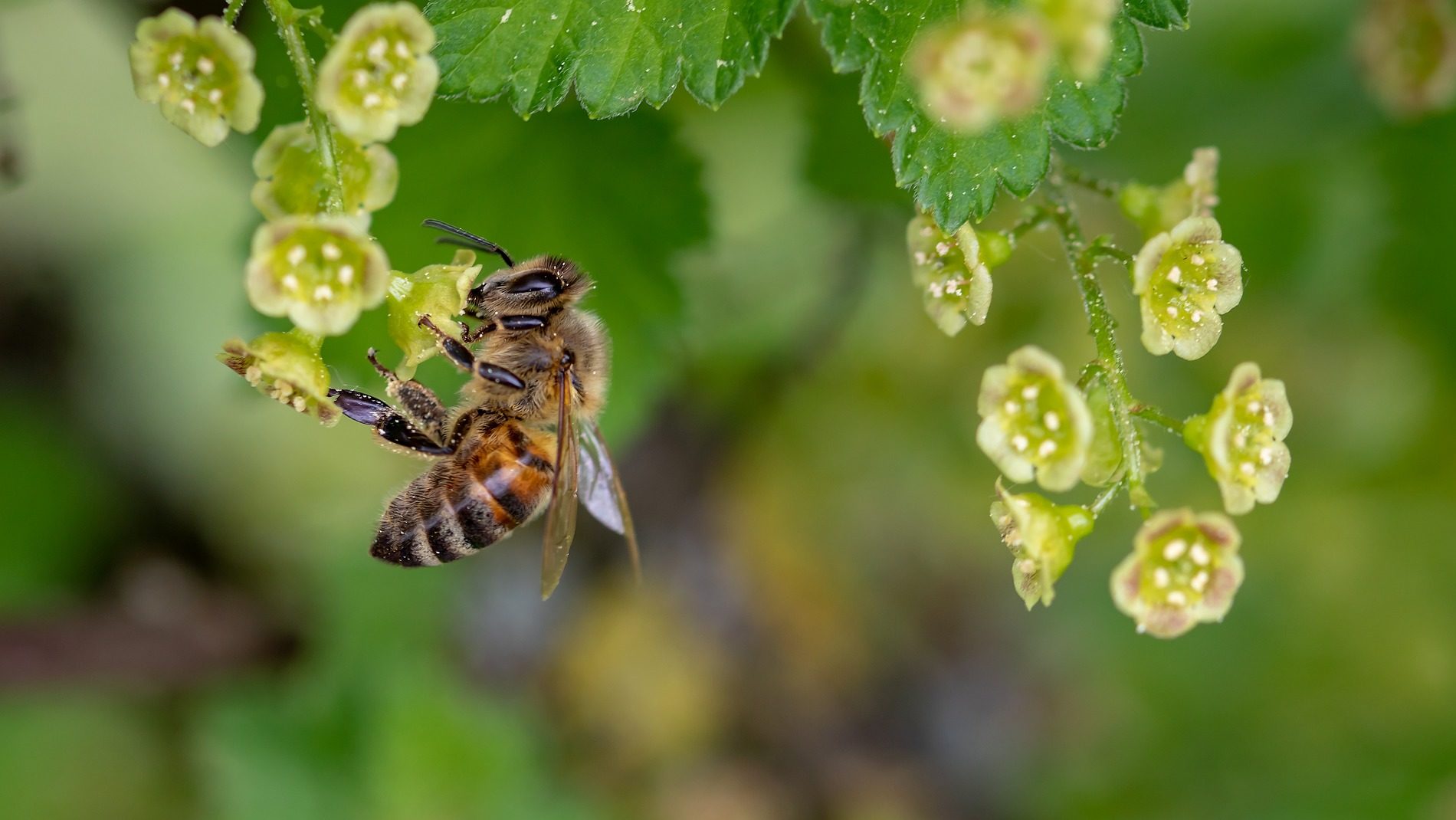
The approval comes just days after the IPCC warned that biodiversity is in severe danger. (Image: Pixabay)
Share
The government has defied advice from scientists to approve the use of a bee-harming pesticide on sugar beet crops.
The neonicotinoid pesticide treatment, known as thiamethoxam, is almost entirely banned in the EU due to the damage it causes to bees, pollinators and aquatic life if it ends up in rivers.
The Wildlife Trusts said the emergency authorisation was “scandalous” and contradicted the government’s pledge to reverse declines in wildlife.
The pesticide was approved for use on sugar beet due to a high incidence of yellows virus, which can destroy crops. Around 63 per cent of the UK’s sugar is produced domestically, and the government says this could be at risk if a significant amount of the crop is infected.
Ministers said alternative pesticide and organic treatments are not as effective at controlling the virus, and said the authorisation of thiamethoxam was subject to “strict conditions”.
This includes an initial threshold for use to ensure the treatment is only used where the predicted virus incidence is at or above 19 per cent of the national crop.
Advertising helps fund Big Issue’s mission to end poverty
Advertising helps fund Big Issue’s mission to end poverty
Wildlife and conservation charities have condemned the decision, which comes just days after the IPCC released a report highlighting severe risks to biodiversity across the globe.
The UK is one of the world’s most nature-depleted countries, having lost more biodiversity than any other G7 country over time.
Keep reading the journalism that powers our mission
Register free to continue and learn more about the stories, campaigns and the support we provide, helping people facing poverty across the UK.
Neonicotinoids were banned in almost every EU country in 2018 after a series of studies showed that the pesticide group can damage the nervous system and navigation skills of bees and other pollinators, as well as having harmful effects on aquatic life.
A spokesperson from the Department for Environment and Rural Affairs said the decision to authorise the pesticide was not “taken lightly”.
“We evaluate the risks very carefully and only grant temporary emergency authorisations for restricted pesticides in special circumstances when strict requirements are met and there are no alternatives,” they said.
Craig Bennett, chief executive of The Wildlife Trusts, said: “The approval to use this bee-killing pesticide is scandalous. The government has outlined ambitions to restore nature, promising to protect 30 per cent of land by 2030 and reverse declines of precious wildlife – but at the same time, it is giving a green light to use a highly toxic chemical that could harm pollinating insects and pollute soils and rivers.
Soil Association head of farming policy Gareth Morgan said: “The government appears to have abandoned their own commitment to protect our pollinators and ignored scientific evidence. These toxic chemicals simply have no place in sustainable farming, and agrochemical companies should not be manufacturing them or exporting them.”
Advertising helps fund Big Issue’s mission to end poverty