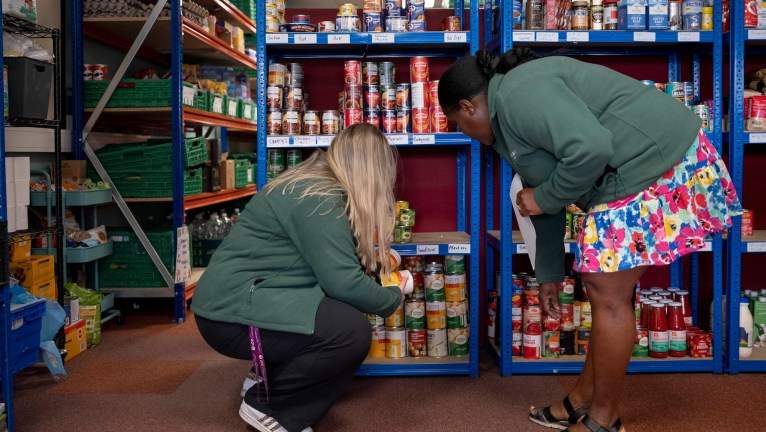
The cheapest food options are often the most unhealthy. Image: Unsplash
Share
Brits are making less healthy food choices as the cost of living crisis bites, according to a new study.
Researchers at the Institute of Practitioners in Advertising (IPA) found that “people are having to buy what they can afford rather than having the luxury of choice”.
Often, that means opting for the unhealthy option. A British Medical Journal study from 2019 found that people living in food poverty were more likely to add salt to food and consume fried food.
They are also at higher risk of developing chronic diseases such as hypertension, diabetes and cardiovascular disease.
With the soaring cost of living putting more pressure on vulnerable people, many are likely to opt for the cheapest options over the healthiest.
The number of adults preferring to eat organic food fell by almost a third between pre-lockdown 2020 and the first few months of 2022, the IPA has revealed.
Advertising helps fund Big Issue’s mission to end poverty
Advertising helps fund Big Issue’s mission to end poverty
People are less likely to check the nutritional values of food before they buy too. The number of people checking the labels on food packaging has decreased by almost a quarter.
In pre-lockdown 2020, more than 30 per cent of adults checked the labels before every purchase. That fell to 23.8 per cent in the first quarter of this year.
The report claims there is a “clear indication of a strong correlation between consumers’ squeezed budgets and their less healthy food choices”.
Keep reading the journalism that powers our mission
Register free to continue and learn more about the stories, campaigns and the support we provide, helping people facing poverty across the UK.
Only half of young adults and just under two-thirds of women say they are coping with their current income. The total number of adults who say they cannot afford to live with their current salary has fallen by 5.5 per cent from pre-pandemic levels.
Over a quarter of adults and 40 per cent of the younger generation feel that they will fall into increasing debt over the next few years.
Other generations are worrying about debt too. The number of 35- to 54-year-olds who believe they will face increasing debt has risen by 50 per cent in comparison to pre-lockdown levels (from 20.6 per cent to 31 per cent). The percentage of over 55-year-olds concerned about debt grew from 10.1 per cent to 14.9 per cent.
Belinda Beeftink, research director at IPA said: “What these new findings appear to show us is that even at the start of the year, with finances tightening, people are having to buy what they can afford rather than having the luxury of choice.
“We can only imagine with rising inflation levels and the clouds of a recession beginning to bubble up, that such stats will become bleaker.”
Beeftink added that businesses should focus advertising on “asserting value for money, on staples versus luxury items and on being seen to be in tune and supportive of consumers at this tough time.”
IPA president Julian Douglas said: “The past few years have been extraordinary with the pandemic affecting every corner of our lives. And now we have a cost of living crisis, throwing us into further disarray. Making sense of this, as advertisers, agencies and individuals, has become even more challenging.”
Advertising helps fund Big Issue’s mission to end poverty