Advertising helps fund Big Issue’s mission to end poverty
Social Justice

DWP ordered to correct 'entirely misleading' claim about universal credit claimants looking for work

The Office for Statistics Regulation told the Department for Work and Pensions that the claim the number of people considered too sick to look for work had risen by 383% in less than five years was inflated

dwp

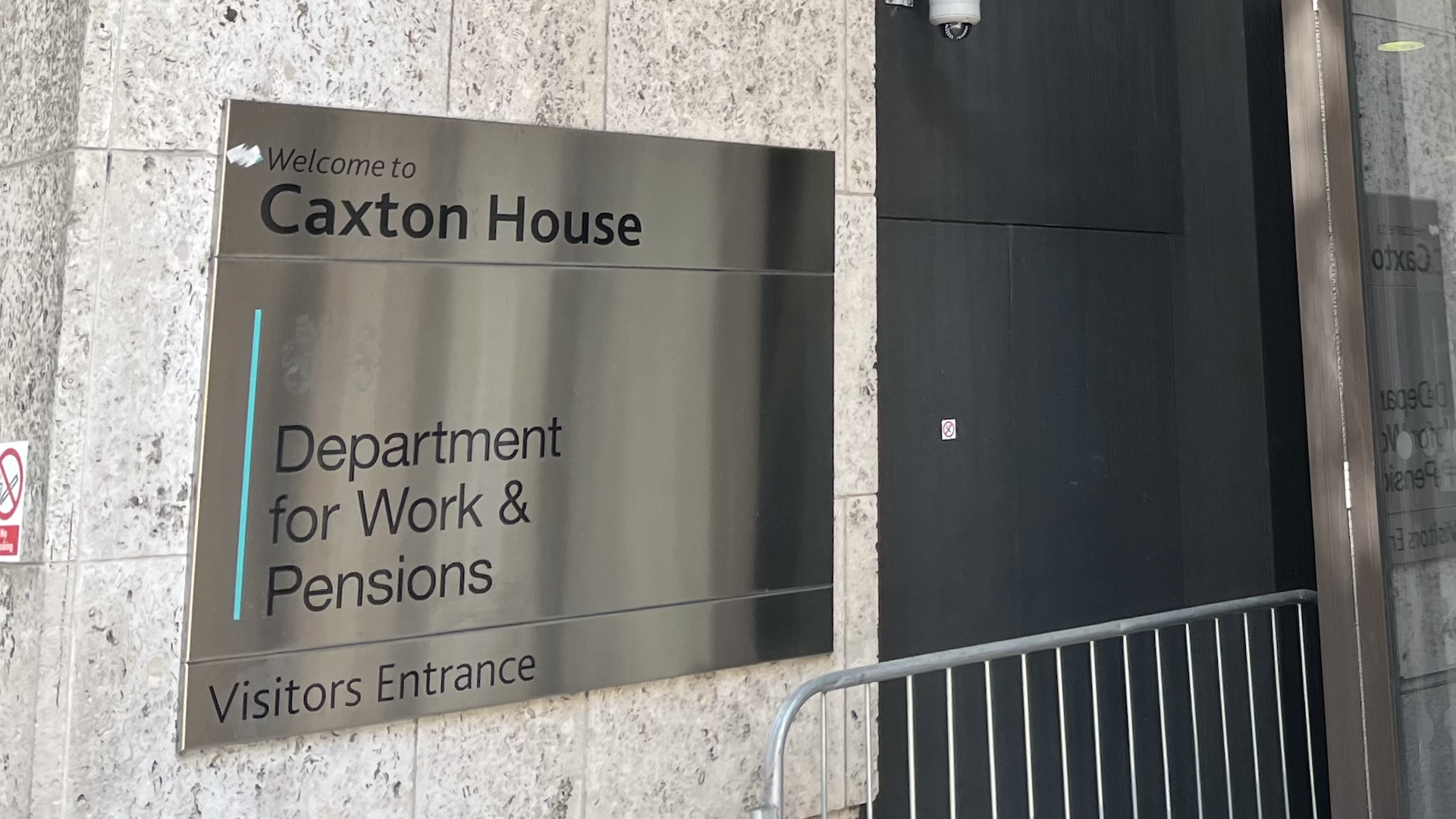
Outside the DWP offices in Westminster. Image: Big Issue

The Department for Work and Pensions (DWP) has been ordered to correct a false claim that said the number of people on universal credit with no requirement to look for work had increased by 383% since the pandemic as the government looked to justify new welfare reforms.

Rob Kent-Smith, the deputy head of the UK’s Office for Statistics Regulation (OSR), said the department had presented an “entirely misleading picture to the public” as part of a DWP press release from 13 March, emphasising the number of people on universal credit without support to look for work.

The statistics regulator said the DWP had inflated the rise in the number of people considered too sick to look for work when it said there had been a 383% increase in less than five years.

OSR said the government department had counted people who had migrated from legacy benefits. The true figure is in fact a 50% increase.

Less than a week after the government made the claim, work and pensions secretary Liz Kendall unveiled the government’s green paper which included the “biggest cuts to disability benefits on record”, and reduced the health element of universal credit for new claimants.

“The statement that the number of people claiming disability elements of universal credit has increased by 383% presents an entirely misleading picture to the public,” Kent-Smith said in a letter to Peter Schofield, the DWP’s permanent secretary.


Advertising helps fund Big Issue’s mission to end poverty

“The figure does not recognise that the majority of this increase is due to the process of migrating people from legacy benefits, such as employment and support allowance (ESA), to universal credit over the last few years. When these people are accounted for, the actual increase in the number of people claiming disability elements of universal credit is 50%.”

After initially being called out by the OSR, which is the UK’s independent monitor of official statistics, the DWP updated its press notice to reference people moving from other benefits. However, the reference to a 383% increase remained and the OSR has asked for it be removed by 4 April – almost a full month after the claim was first made.

A DWP spokesperson said: “Our press notice focused on new data released by the department at the time. We accept the views of the OSR and have made the necessary amends to reflect their feedback, honouring our commitment to transparency.”

Universal credit is among a number of things changing on 1 April. From energy bills to rent rises, here’s our guide to all the changes.

Do you have a story to tell or opinions to share about this? Get in touch and tell us moreBig Issue exists to give homeless and marginalised people the opportunity to earn an income. To support our work buy a copy of the magazine or get the app from the App Store or Google Play.

Advertising helps fund Big Issue’s mission to end poverty

Do you know how Big Issue 'really' works?

Watch this simple explanation.

Recommended for you

View all
Baby banks are becoming 'as normalised as food banks' as 1,000 children a day need support
baby bank
Baby banks

Baby banks are becoming 'as normalised as food banks' as 1,000 children a day need support

DWP to ban people from driving and seize money from bank accounts to recover benefit debts
person driving
Department for Work and Pensions

DWP to ban people from driving and seize money from bank accounts to recover benefit debts

How the fight for common land is now the fight for access to the internet
Agricultural land in England was enclosed as early as the 13th century. This is a Medieval illustration of men harvesting wheat
Inequality

How the fight for common land is now the fight for access to the internet

Is 'parental alienation' complicating already complicated family courts?
Lady Justice
Family courts

Is 'parental alienation' complicating already complicated family courts?