1. Crash diets don’t work
The way to integrate more arts into your life is not to start bingeing on art, cramming creativity into every crevice of the day, starting new artistic hobbies and signing up to lots of classes. Just as with food diets, these large behavioural changes rarely stick. Regular, sustained engagement is the goal. Change starts with doing a little, often.
Read more:
Continue reading for free
Registration is free and takes less than 30 seconds.
Our supporters make Big Issue’s work possible. Join us to see the impact we’re having together and discover more ways to help people facing poverty access income, opportunity and support.
2. Work out your ‘five-a-day’ equivalent
Decide on a simple rule you can apply to your life to make sure you engage with the arts every day, like the five-a-day rule for eating fruit and vegetables. Maybe that’s just 10 minutes of sketching at your desk before you start work each day, 15 minutes of a crafts activity each evening, or 20 minutes of listening to an evening concert on the radio. Whatever amount of time you pick, make it small and achievable every day.
3. Work around your energy levels
Advertising helps fund Big Issue’s mission to end poverty
Are there times when your attention drifts or you start to feel stressed or overcharged? Or when during the week you feel in a rut – when you have too many evenings at home in a row or are short on social company? Just as we structure our daily food intake to recharge our energy, work out how you can use music, art, reading or culture to regulate your energy or mood.
4. Make the easy swaps
For many people, the key to a good diet is making simple substitutions for healthier alternatives. In the same way, think about the swaps you could make, like putting your phone down on your commute and picking up your book. Or turning a social gathering with friends into a trip to an exhibition or gig.
5. Plan your meals out
Maybe you treat yourself to a monthly takeaway or a meal out for special occasions. Plan your arts treats the same way – plan the time to go to a museum or gallery once a month, or book tickets to a concert as a treat to look forward to. These treats will also add novelty to your creative engagement, which is itself beneficial to health.
6. Diversity is key
Advertising helps fund Big Issue’s mission to end poverty
We used to say ‘an apple a day keeps the doctor away’, but now the advice is to ditch the daily apple and sample as many plants as you can a week. In the same way, don’t rely just on one arts activity. Mix things up with lots of contrasting activities. Watching, making, listening, creating all have different health benefits.
7. Experiment with new flavours
Just as it’s fun to try out a new ingredient or cooking technique in the kitchen, have fun with novel arts experiences. Fortunately, in the same way that it’s not necessary to be a gourmet chef in order to cook food that is healthy, being good at – or knowledgeable about – the arts is not a prerequisite to experiencing their health benefits.
8. Be a mindful chef
It’s all too easy to eat a meal without tasting it, much like plugging into our headphones and then zoning out of our music. Take time to savour even the background arts experiences. When you turn the radio on, take the time to sit and listen for a few minutes, not allowing yourself to multitask. When you’re making art, spend at least some time trying to think of nothing else other than the art and being entirely present.
9. Avoid the UPFs (ultra-processed foods)
Advertising helps fund Big Issue’s mission to end poverty
Screen-based arts opportunities are proliferating. And while there are many documented health benefits from watching dramas on television, viewing art on our phones, or participating virtually in activities, screens may be the UPFs of the arts, negating or diluting some of those health benefits. So try to make your daily arts engagement real, not virtual where you can.
10. Identify your chicken soup
When we’re ill, we all have a food we believe will get us better again – home-made chicken soup or a vitamin-packed smoothie. Work out what your equivalent is for when you’re feeling stressed, anxious, low or tired. Pinpoint what music or books lift your mood, what arts or crafts activities are cathartic, or what events you like to put in the diary to look forward to.
So, whether you’re attending a festival this summer, booking tickets to a show, picking up a new craft or building your party playlist, I wish you a joyful, health-enhancing summer of creativity.
Daisy Fancourt is professor of psychobiology & epidemiology and head of the social biobehavioural research group at University College London. She is also the newly appointed first associate scientist at the Royal Albert Hall.
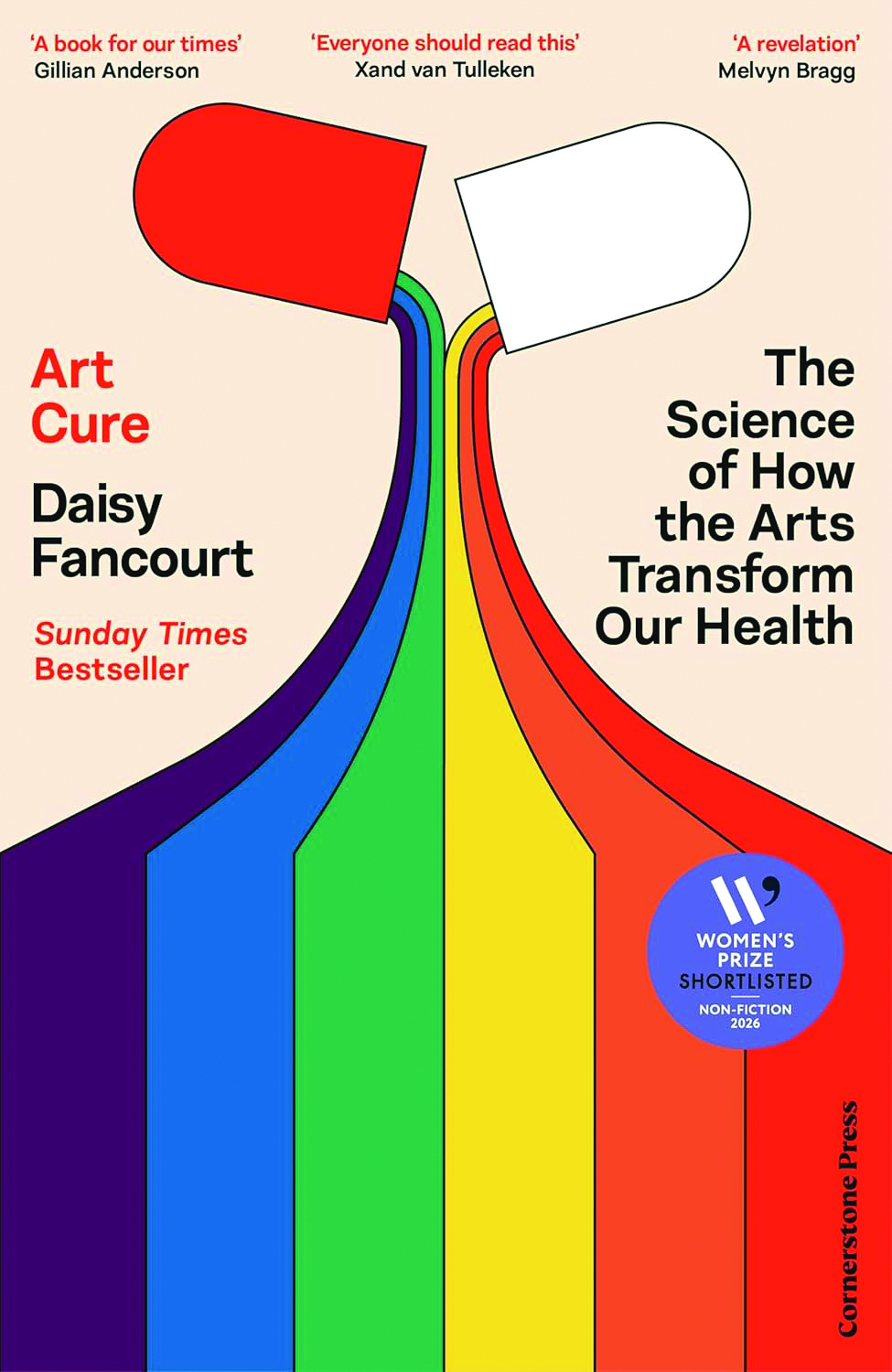
Her book Art Cure: The Science of How the Arts Save Lives is out now (Cornerstone, £22). You can buy it from the Big Issue shop on bookshop.org, which helps to support Big Issue and independent bookshops.
Advertising helps fund Big Issue’s mission to end poverty
Do you have a story to tell or opinions to share about this? Get in touch and tell us more.
Change a vendor’s life.
Buy from your local Big Issue vendor every week – and always take the magazine. It’s how vendors earn with dignity and move forward.
You can also support online:
Subscribe to the magazine or support our work with a monthly gift. Your support helps vendors earn, learn and thrive while strengthening our frontline services.
Thank you for standing with Big Issue vendors.