The Southbank Centre project aims to celebrate the UK’s diverse dialects and languages and tell the stories of the nation’s coastal communities.
Big Issue spoke to some of the poets taking part to find out how coastal areas have inspired them.
South Shields
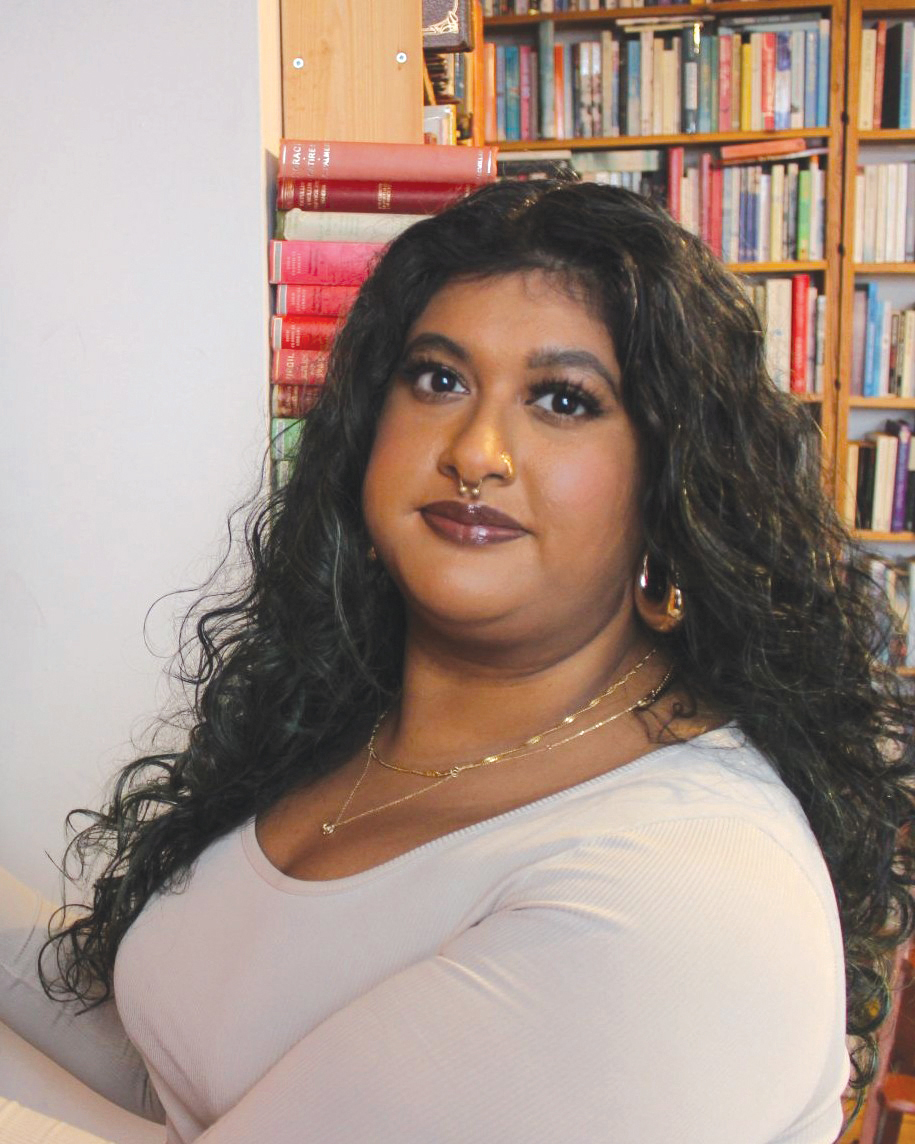
Akiba Azad
I like to use my mother tongue in my poetry as it is an integral part of my identity, of which I am proud. I primarily use English but have interwoven Bangla into my work as it feels natural to describe particular things which are close to the way I speak. It has connected to people who are familiar with the language and to those who can enjoy another language in typically English-speaking spaces. I find that I lean towards including Bangla when writing about family, as it is a space I can be my authentic self – which I believe people with similar backgrounds who speak two languages may relate to.
Our big issue: I think the big issue in my town is that it’s not at its potential. Funding is a big part, alongside people having access to work. But I have faith that my seaside home will grow.
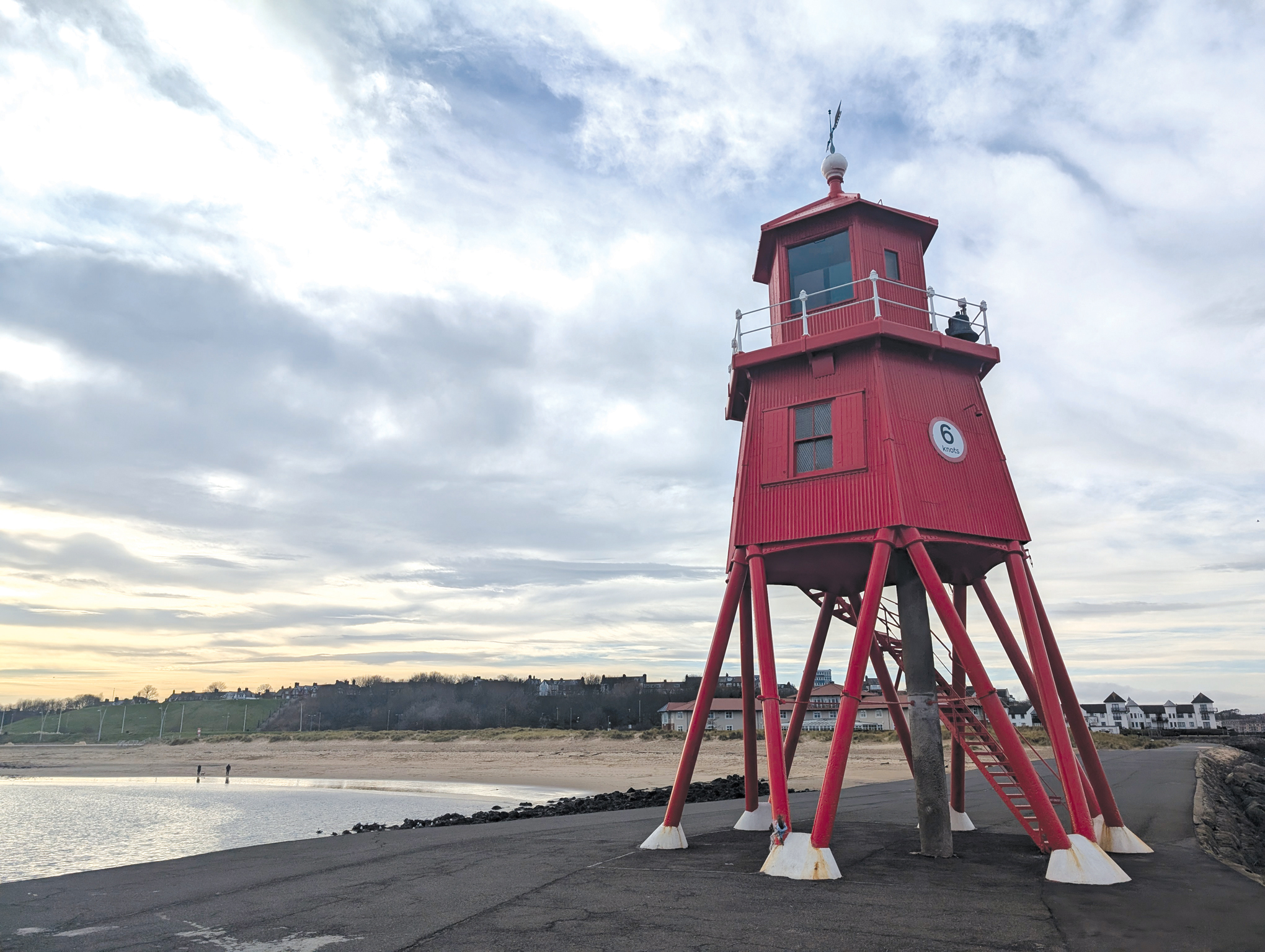
A view that inspires me: Herd Groyne Lighthouse, South Shields
Great Yarmouth
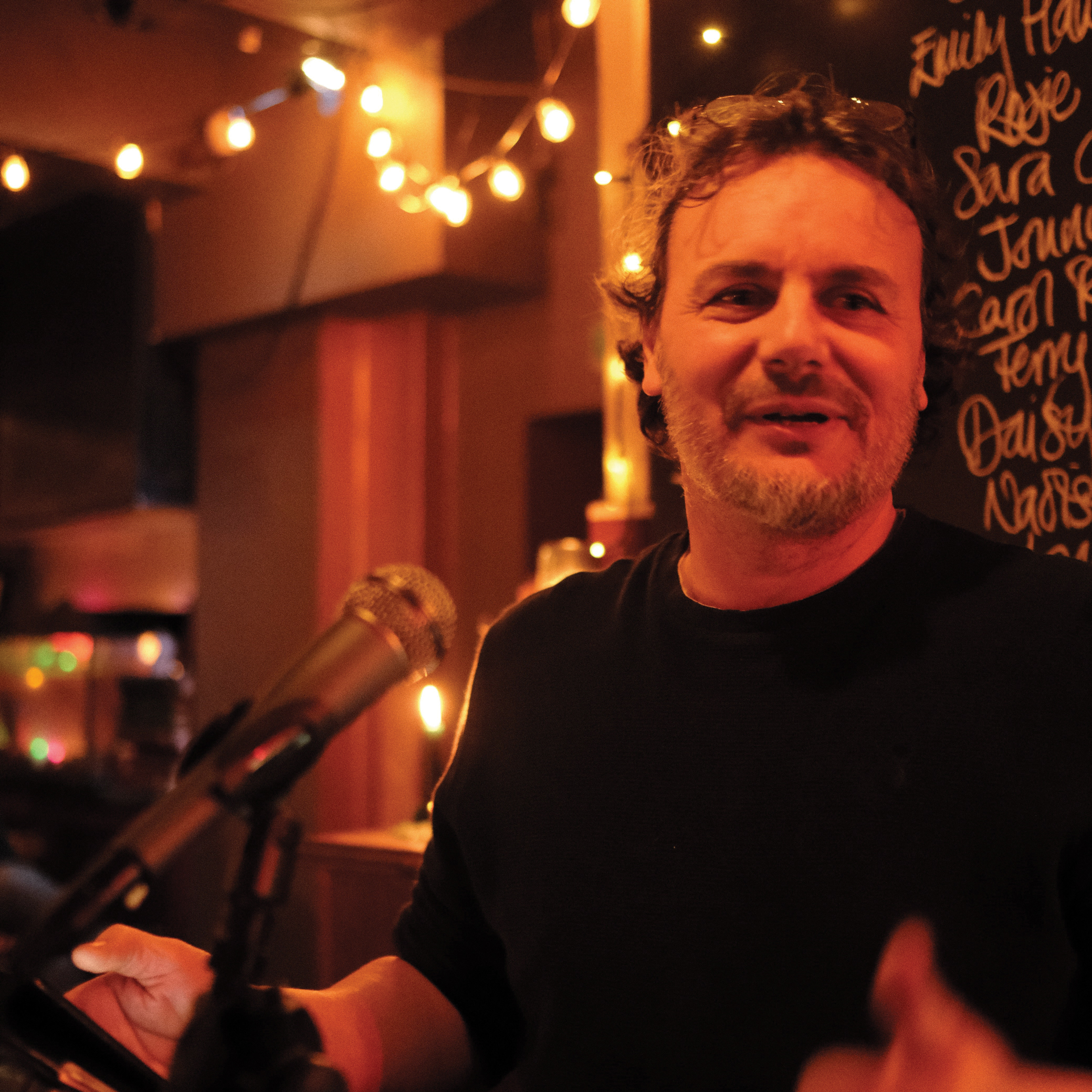
Jonny Croose
I often feel I don’t really know where my language roots are. I was born in North Wales in a family where Welsh had died out within a generation. I grew up in the West Norfolk fens. I was still called ‘Jonty bach’ (little Jonty) and ‘cariad’ (sweetheart) whenever we went back for holidays, but no Welsh was ever spoken in the house.
Advertising helps fund Big Issue’s mission to end poverty
Advertising helps fund Big Issue’s mission to end poverty
At secondary school in King’s Lynn, the sons of the South Lynn fishermen thought I was posh. My dad sat me in front of the dictionary to learn new words each week. “Language is power,” he’d say.
California in my 20s dusted my vocabulary with ‘hey’ instead of ‘hello’, ‘gas’ and ‘smokes’ and ‘sure’. I returned to Norfolk about 12 years ago. This is where I’ll stay, where anything ‘wonky’ is ‘on the huh’, and where you’re welcomed with a rousing ‘come yew in!’
Our big issue: Like many places, Norfolk has real extremes of wealth and poverty, and there are forces in our region who want to divide people and stoke conflict based on race, religion or identity. We’ve seen this before in history, and we know where it ends.
Keep reading the journalism that powers our mission
Register free to continue and learn more about the stories, campaigns and the support we provide, helping people facing poverty across the UK.
There have been many times where I have felt the need to reach beyond words that you may expect from poetry. In fact, one of the poems that defined my development as a poet uses slang as a central theme. CHAV was written to myth-bust working-class culture, so it felt really important to select language I’d actually use in my everyday life.
I find my accent plays a big role in my work, especially as I often share my poems at live readings. It took me a while to lean into my natural Essex accent. When I was younger, I’d hide it in order to be seen as more capable. It took a long time to learn that any voice is a capable voice.
Advertising helps fund Big Issue’s mission to end poverty
Popular media has a lot of opinions about Essex culture – or its supposed lack. It’s hard to avoid the caricature made of Essex, especially our women. It gives me satisfaction to challenge this image. The idea Essex girls are thick is common, falsely evidenced by the way we speak. It just makes me want to speak in that voice more.
Our big issue: I’m a huge advocate for Southend. The good things happening in our community aren’t championed enough. I’d like to see positives shared just as difficulties often are. I think often people lose hope when faced with story after story of hardship. Southend gets a bad knock a lot of the time. I think that in itself is the issue.
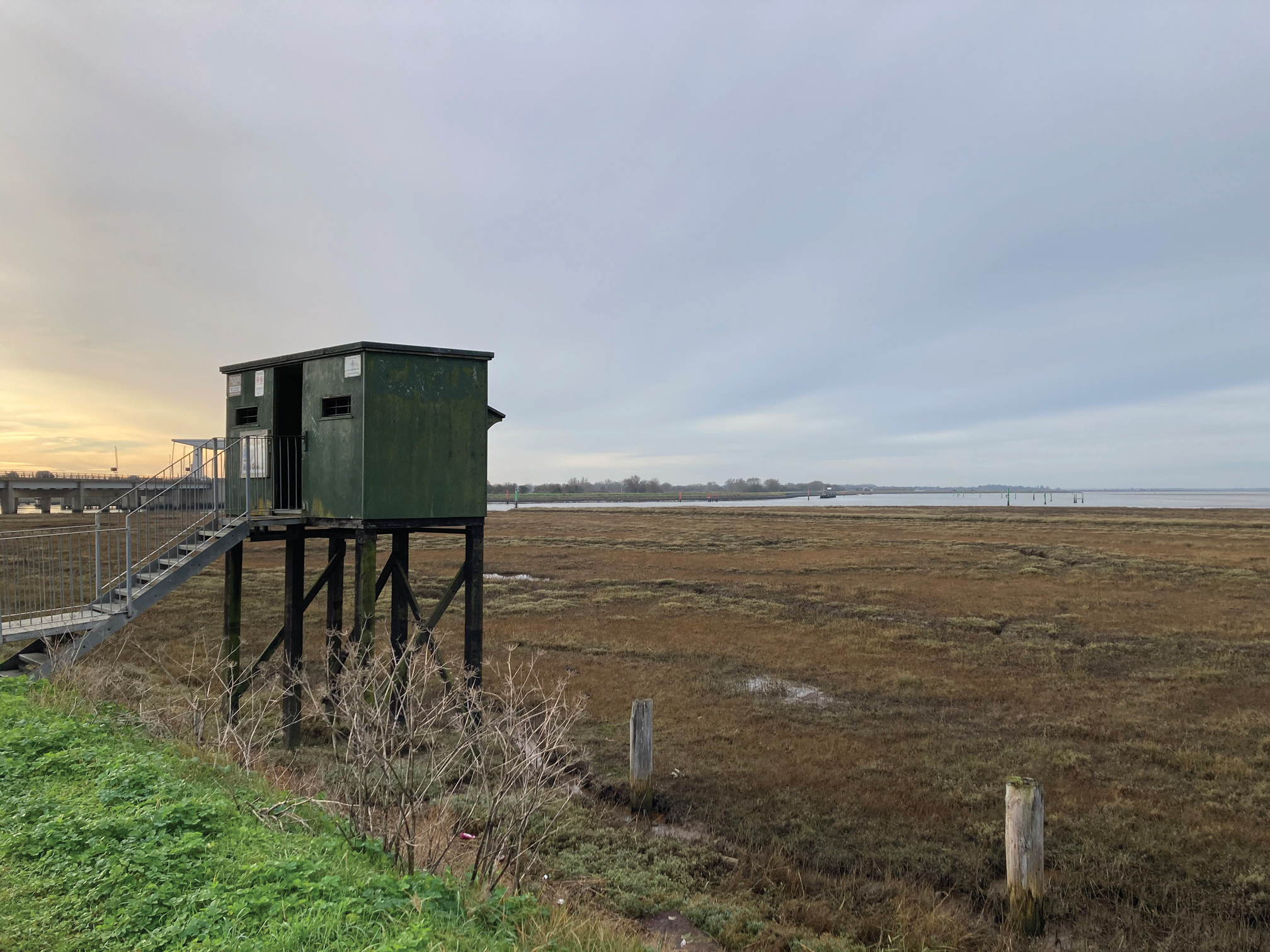
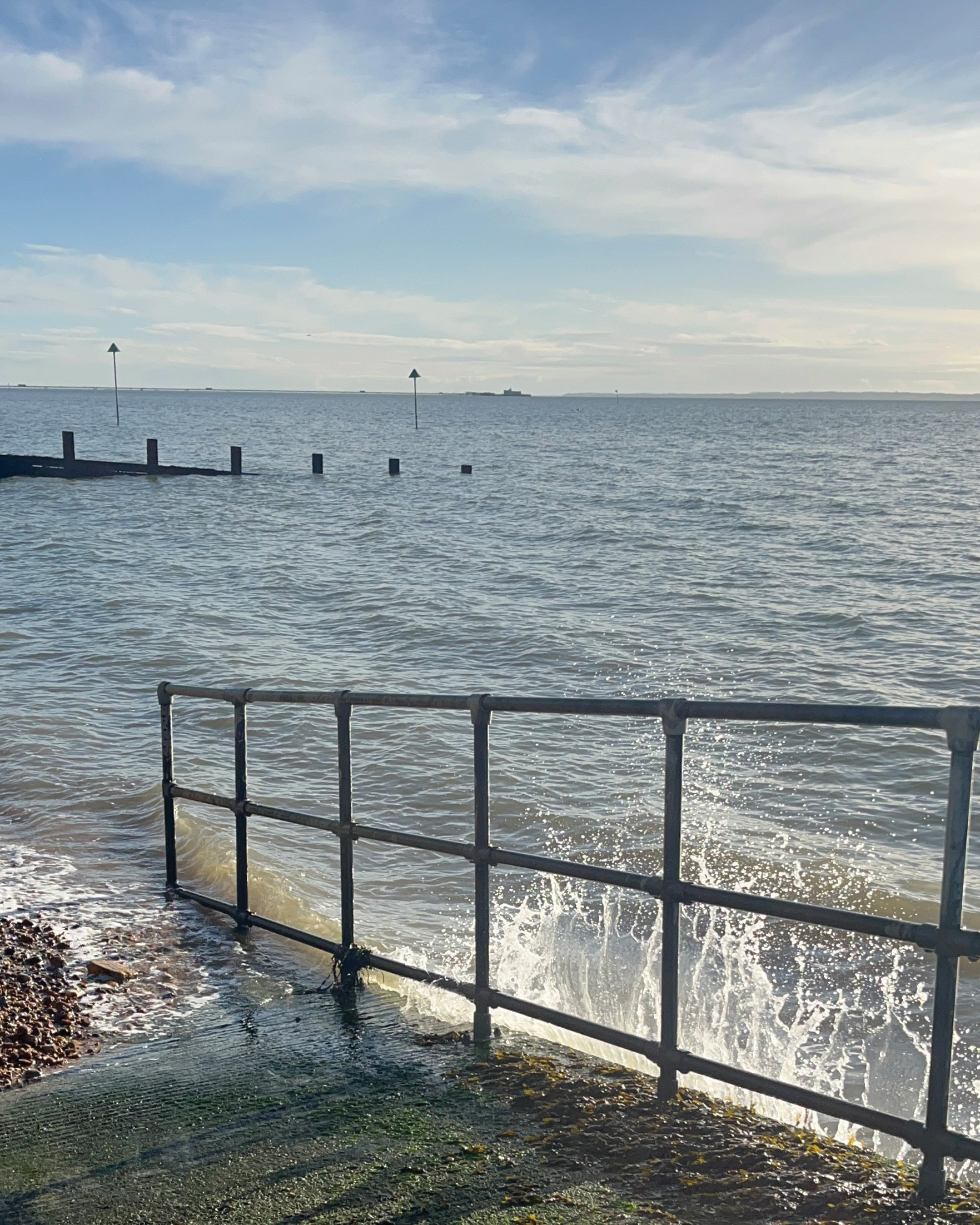
A view that inspires me: Southend
Caernarfon
Ellis Hughes
In my work, the choice to use Cymraeg (the Welsh language) alongside English isn’t just decorative. It’s a way of carrying the landscape of Caernarfon and the wider region into my poetry. There are things about this place that standard English struggles to hold. The relationship people have with the mountains and the coastline, not just as scenery, but as something lived alongside, comes through in the rhythm of our speech. Nature isn’t something distant or “other”; it’s in the grammar and the vocabulary. Even in spoken English, you sometimes hear echoes of Cymraeg’s syntax, which often carries a different sense of time and emphasis. That influence allows me to write lines that feel not only descriptive, but rooted in local landscapes. Cymraeg provides my poetry with a sense of intimacy that often feels over-explained in English.
This is a region where language has been defended for centuries. Using local forms, such as a word in Cymraeg that doesn’t translate well, is a way of acknowledging this delicate relationship between both languages. Language and dialect aren’t a performative departure from clarity, but a deeper kind of accuracy.
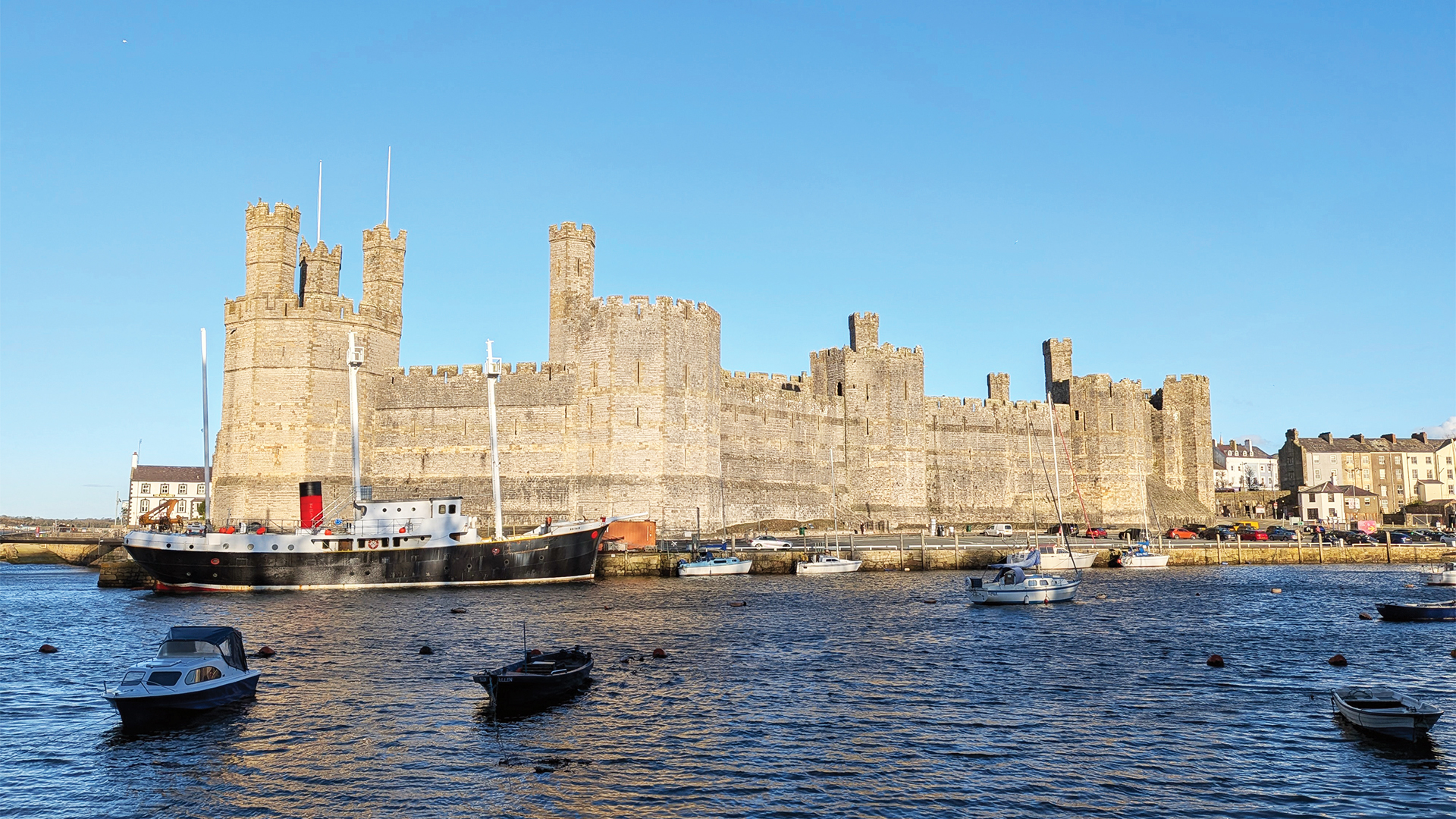
Our big issue: In the smaller coastal towns and villages surrounding Caernarfon, house prices have risen far beyond what many local people can realistically afford. As a result, people who grew up here are increasingly unable to stay, especially younger people trying to get on the housing ladder. It also has an impact on Cymraeg. This part of Cymru (Wales) has traditionally been a stronghold for the language, and it’s at its strongest when used daily within homes and communities. If locals are being priced out and replaced by part-time residents, that balance shifts.
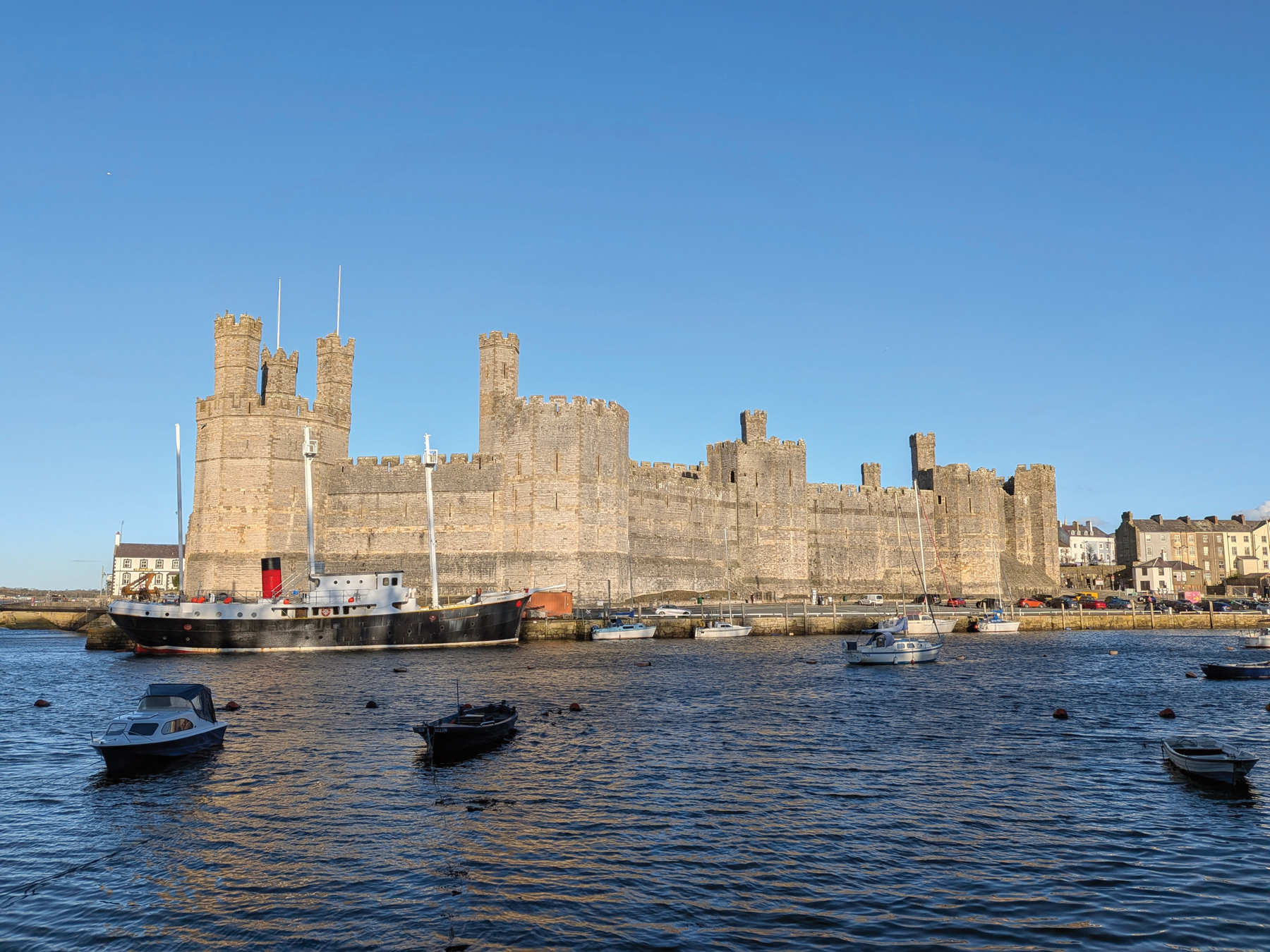
A view that inspires me: Caernarfon Castle
Penzance
Chloé Eathorne
As a Cornish poet I use the Cornish dialect and Kernewek in my work because they carry this place inside them. Shaped by land and labour, from the rich textures of our mining heritage, the draw of the sea, to the wit and humour of our communities. Phrases like ‘proper job’ aren’t just about something being well done, they carry warmth and pride. ‘My ansum’ is affection made universal, said to a stranger or a neighbour. Kernewek speaks to the land in its own tongue. ‘Glas’ captures that shifting blue-grey skin of sea, ‘Golow’ is the light that breaks across Carn Brea, and ‘Meyn’ holds the weight and memory of ancient stones. This language carries the wild spirit of Cornwall. Kernewek is rising again, with a revival of the language and Part III recognition, which has the same protection as Welsh, Irish and Scottish Gaelic. Writing in these forms is my way of keeping that voice alive where tourism can sometimes flatten identity into postcard versions of itself.
Advertising helps fund Big Issue’s mission to end poverty
Our big issue: As the second-home capital of England, it’s very hard for people to live here. In summer everything swells, with hospitals not built for capacity, and in winter thousands of second homes are left vacant, as homelessness has increased. This has created a tension between a place that looks postcard pretty and the reality of trying to build a life here.
Dundee
Cat MacLeod
I write much less in Scots language than I would speak it; it’s mostly a familial language to me, something that comes out at Gran’s rather than on stage or page. I feel strange about performative Scots for myself personally, though I enjoy many performers who are using the Scots language and its various dialects, but for me, it’s the sound of home.
Our big issue: More support particularly for people in recovery from addiction, with person-specific support, would be a massive benefit to Dundee. There are amazing projects supporting people through social and green prescription strategies, but this funding is often only for a specified period and does not always get continued, leaving people without longevity in their recovery journeys, which can be a lifelong process. Falling through gaps can lead to escalating behaviour and harm to themselves or others. It’s hard to witness let alone experience.
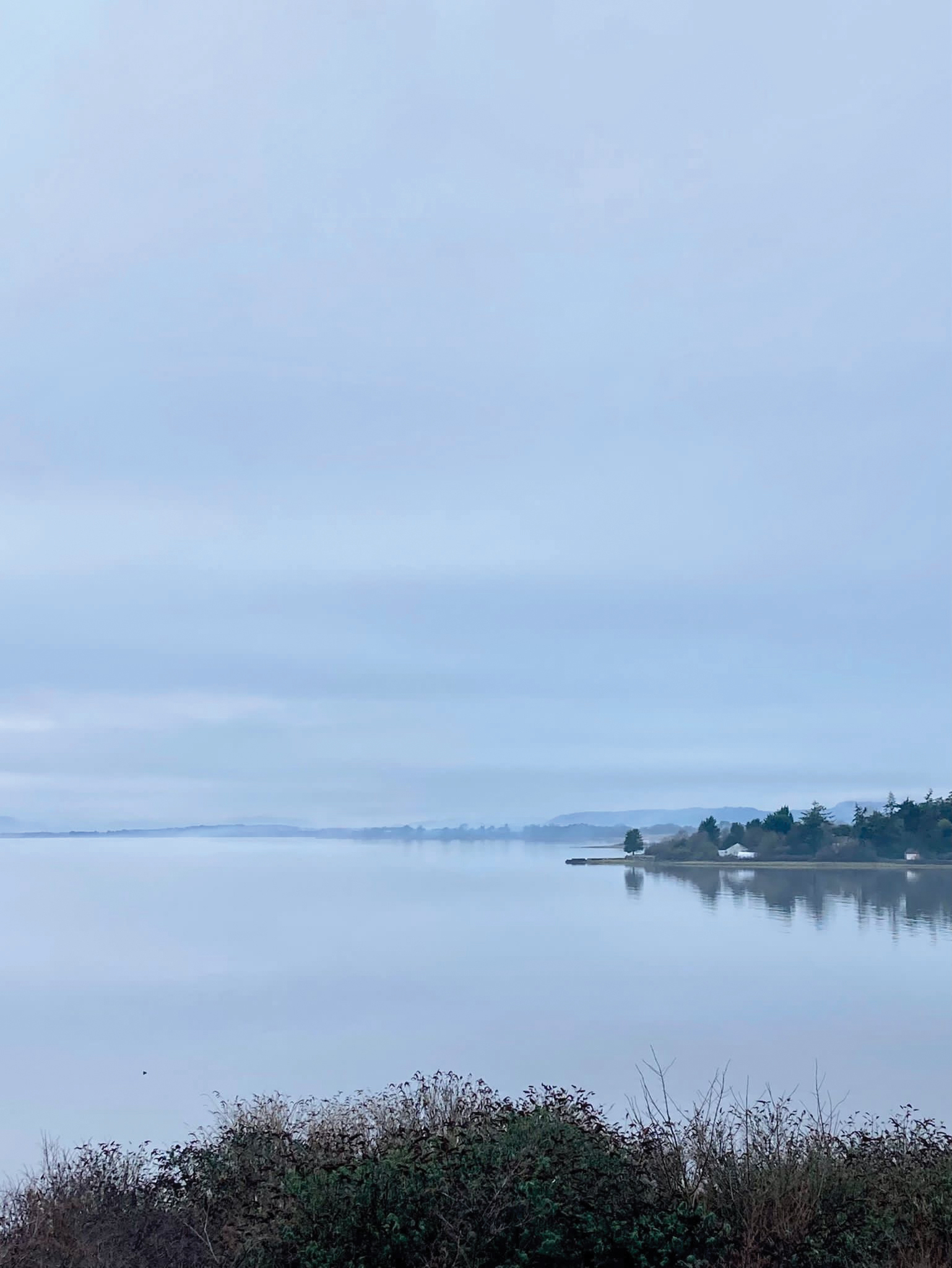
A view that inspires me: Dundee
A Poet In Every Port launches its tour in Great Yarmouth on 29 May with Roger McGough in attendance.