Advertising helps fund Big Issue’s mission to end poverty
Opinion

How can I support England at World Cup 2026 when people who want me deported have claimed the flag?

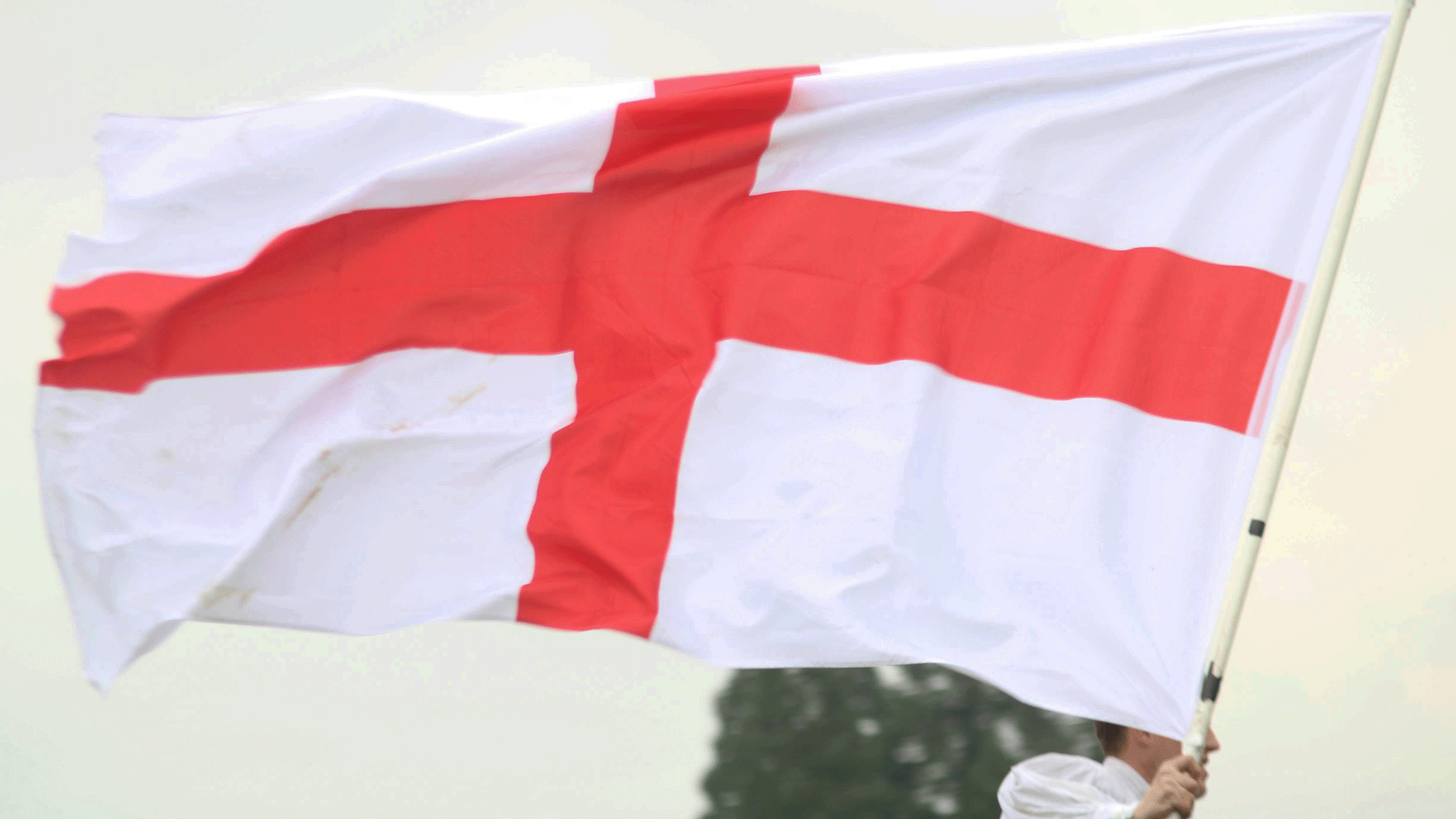
The St George’s Cross and England kit can no longer be separated from the political movements that weaponise them

the St George's Flag

Image: Bales Studio on Unsplash

Ravishaan Rahel Muthiah

After two consecutive summers marked by racist unrest and far-right mobilisation, England’s major football tournaments no longer feel like moments of national celebration for black, brown and migrant communities.

For many of us, “football’s coming home” now sounds more like a warning than a celebratory chant. The St George’s Cross and England kit can no longer be separated from the political movements that weaponise them.

So, as flags multiply across our cities and England shirts flood high streets, communities like mine brace for the familiar spike in hate crime, racial harassment and chest-thumping nationalism dressed up as patriotism.

It has been marched through neighbourhoods during attacks on black and brown people. As recently as last September men bearing the flag punched an innocent man to the ground while brandishing a knife.

English football is no better – racist hooliganism has long been entangled with fans of the national team. And while the far right insists Operation Raise the Colours is about harmless patriotism, crosses were painted on or near mosques and community sites – graffiti later investigated as potential hate crimes. All of this against a backdrop of record levels of Islamophobic hate.

The truth is uncomfortable: we are constantly told the flag belongs to all of us, yet for many it remains the banner under which our ancestors were conquered, enslaved, divided and beaten. And symbols cannot be reclaimed while they are still being used to intimidate and assault people in the streets.

Advertising helps fund Big Issue’s mission to end poverty

So fans are left with a dilemma: when England’s Three Lions step onto the pitch at the 2026 World Cup do we ignore racism for the sake of national unity, or confront it and risk being cast as the killjoy who ‘makes everything about race’ before the first ball has even been kicked?


Gareth Southgate’s England once sold us a different story. A team that spoke the language of unity. A squad led by black British players. A fan culture that, briefly, made room for black and brown bodies, in stadiums, in pubs, in the streets. For a moment, it felt possible to believe the atmosphere around England might genuinely change.

And football has the power to unite us. Mo Salah’s success as one of the Premier League’s greatest players challenged Islamophobic stereotypes and expanded who many imagined English football could belong to. Arsenal’s title celebrations brought multiracial, multilingual, intergenerational scenes across North London – offering a glimpse of what football solidarity can actually look like.

But in the current climate of racist unrest and anti-migrant mobilisation, fears of another summer of violence fuelled by football nationalism no longer feel exaggerated. England must confront anti-migrant politics, the mainstreaming of far-right rhetoric and the way national symbols are used in public space – while defending migrant communities. 

Read more:

Real unity will not come from compulsory flag-waving or shallow appeals to patriotism. And anti-racism cannot just mean putting Bukayo Saka on a billboard every two years.

Advertising helps fund Big Issue’s mission to end poverty

Migrants make this country. We staff its hospitals, deliver its food, care for its elderly, score its goals and keep its cities moving. Yet every few years we are asked to disappear behind symbols increasingly used to threaten us. So many of us won’t be hanging flags from our windows or pulling on England shirts this year.

Not because we hate this country, but because we know exactly what hatred looks like and we know the symbols it marches behind.

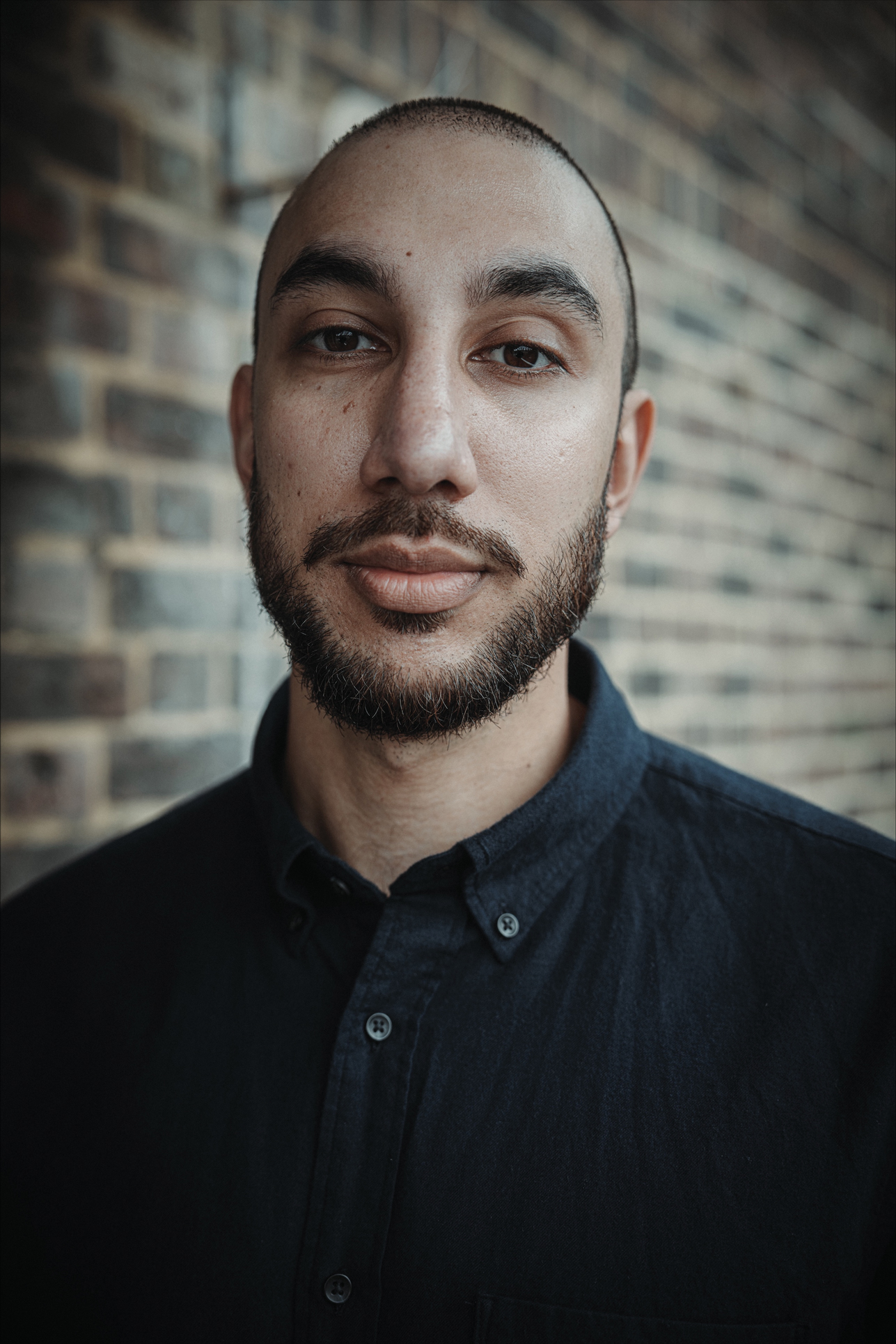
Ravishaan Rahel Muthiah is the director of communications at the Joint Council for the Welfare of Immigrants

Do you have a story to tell or opinions to share about this? Get in touch and tell us more

Change a vendor’s life.

Buy from your local Big Issue vendor every week – and always take the magazine. It’s how vendors earn with dignity and move forward.

Advertising helps fund Big Issue’s mission to end poverty

You can also support online:
Subscribe to the magazine or support our work with a monthly gift. Your support helps vendors earn, learn and thrive while strengthening our frontline services.

Thank you for standing with Big Issue vendors.

Advertising helps fund Big Issue’s mission to end poverty

Do you know how Big Issue 'really' works?

Watch this simple explanation.

Recommended for you

View all
The Welsh football team going to Mexico for World Cup football: 'We'd love to have Wales behind us'
Street Football Wales footballers at the Homeless World Cup
World Cup

The Welsh football team going to Mexico for World Cup football: 'We'd love to have Wales behind us'

Four ways the government could change PIP for the better
dwp
Ross Barrett

Four ways the government could change PIP for the better

Poverty is still the elephant in most rooms of government. But do they take it seriously?
Henry VIII
John Bird

Poverty is still the elephant in most rooms of government. But do they take it seriously?

'Universal credit claimants are working to support their families. But the system is not'
Thea Jaffe outside Number 10.
Thea Jaffe

'Universal credit claimants are working to support their families. But the system is not'