Lucy Campbell, assistant director for system change at Single Homeless Project, said: “For four years, this census has shown the same thing: there are thousands more women sleeping rough in England than previously thought.
“The government has pledged to reduce long term rough sleeping by half, but this cannot be achieved without an accurate starting point. The women’s census shows there is a better way to count, understand and respond to women’s rough sleeping. The government now has an opportunity to make that the national standard.”
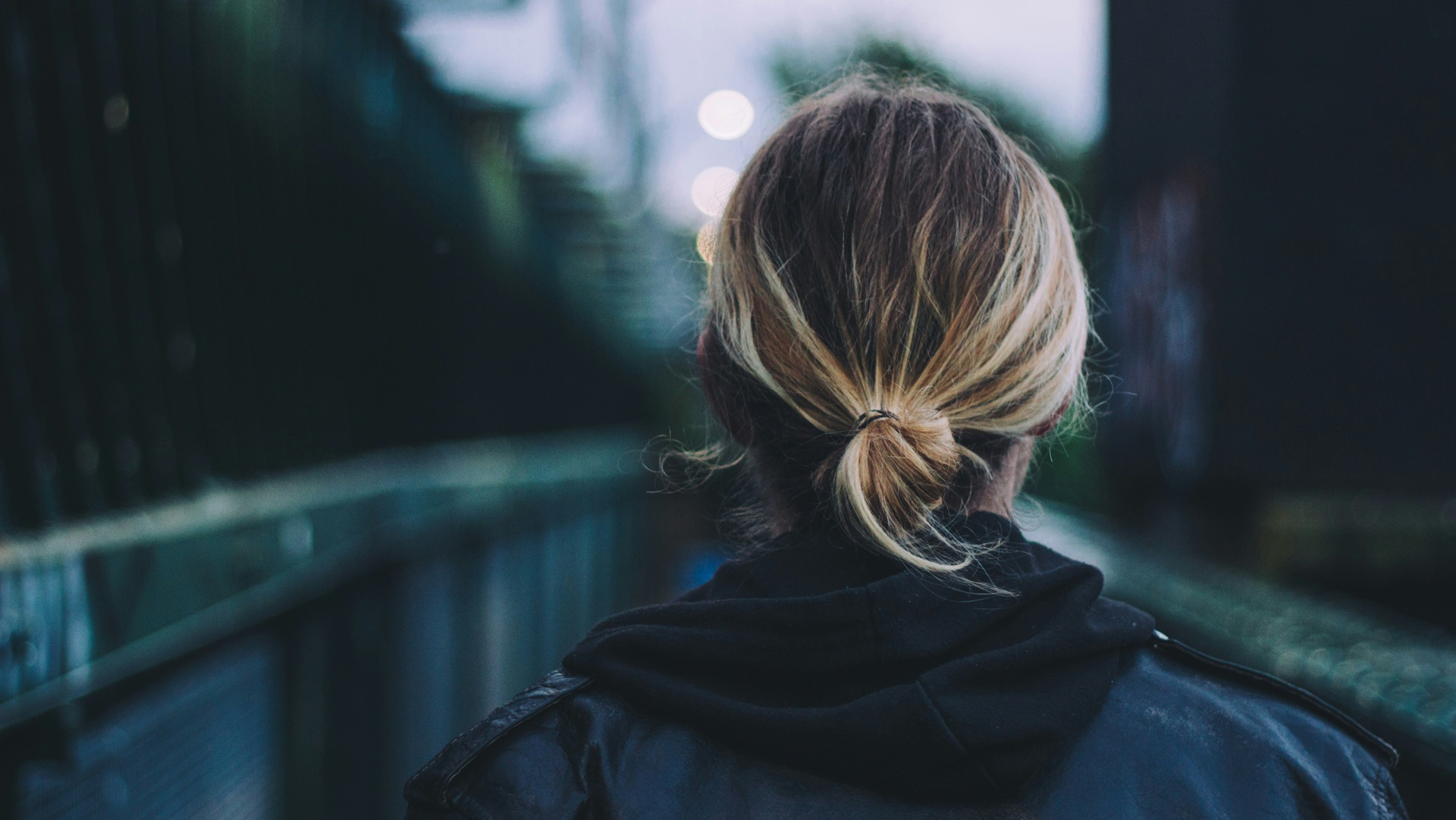
While rough sleeping is typically associated with people bedding down in shop doorways and elsewhere on the street, the reality is that women tend to stay more hidden.
Keep reading the journalism that powers our mission
Register free to continue and learn more about the stories, campaigns and the support we provide, helping people facing poverty across the UK.
Nearly two thirds (65%) of women surveyed as part of the census said they had slept in places excluded from official homelessness counts, including buses, A&E waiting rooms and public transport, or staying awake through the night to avoid violence, exploitation and sexual assault.
Women’s homelessness is also closely linked to violence against women and girls, domestic abuse, mental ill health and poverty, the census also found.
“Women are riding buses through the night, sitting in A&E waiting rooms and walking the streets until morning to stay safe, but because they are not bedding down visibly, too many are invisible in data,” added Campbell.
Advertising helps fund Big Issue’s mission to end poverty
Around half the women surveyed as part of the census said they walked around all night to avoid sleeping visibly.
That was the case for Victoria, who lives in London and took part in the census. She said: “As a woman, I was often afraid to sleep, so I wouldn’t sleep at all, especially at night.
“The minute men realised I was vulnerable and homeless, they would begin to offer me money to do things with them. I felt unsupported, alone and suicidal.”
Just over a quarter of women surveyed said they had stayed with strangers or new acquaintances while homeless.
Around 45% had been in some form of homelessness accommodation immediately before sleeping rough while 38% were not receiving support from a housing officer or homelessness organisation.
The government revealed its homelessness strategy at the end of 2025, vowing to half rough sleeping across England by 2029.
Advertising helps fund Big Issue’s mission to end poverty
That’s alongside a separate strategy to half violence against women and girls.
Speaking to MPs at the Housing, Communities and Local Government Committee on Tuesday (9 June), homelessness minister Alison McGovern said that domestic abuse remains a significant driver of homelessness.
“I feel it’s important from a cost point of view, but primarily morally, that if somebody’s a victim of domestic abuse, that they ought not to be made homeless by that,” said McGovern.
“I’ve been struck by experts in the field about the importance of sanctuary schemes that can help victims, primarily women, stay in their own homes and be protected in their own homes.
She added: “While refuges are really, really important, and it’s important that there’s a space where people can be safe, I don’t see why if you’re a victim of domestic abuse, you have to be made homeless as well.”
Read more:
Advertising helps fund Big Issue’s mission to end poverty
Liverpool Wavertree MP Paula Barker, who is co-chair of the all-party parliamentary group for ending homelessness, added: “Women are not absent from our streets, they are absent from the data. For four years, this census has exposed the same dangerous blind spot: women experiencing homelessness are still being overlooked because official systems are not designed around the reality of women’s lives.
“We cannot end homelessness while continuing to ignore the women hiding in plain sight.”
The coalition behind the census wants ministers to replace outdated rough sleeping counts with a gender-informed national approach that reflects women’s different experiences of homelessness.
They have also called on the government to provide funding to roll out the census across all local authorities in England and ring-fence money so councils can provide gender-informed homelessness systems, supported accommodation and temporary accommodation.
Jasmine Basran, head of policy and campaigns at Crisis, said: “With the Westminster government pledging to reduce long-term rough sleeping in their homelessness strategy last year, it’s crucial they commit to fully implementing the learnings from this census so that women aren’t shut out further from support.
“This is now a matter of urgency – we can’t let women experiencing homelessness be ignored any longer.”
Advertising helps fund Big Issue’s mission to end poverty
Do you have a story to tell or opinions to share about this? Get in touch and tell us more.
Change a vendor’s life.
Buy from your local Big Issue vendor every week – and always take the magazine. It’s how vendors earn with dignity and move forward.
You can also support online:
Subscribe to the magazine or support our work with a monthly gift. Your support helps vendors earn, learn and thrive while strengthening our frontline services.
Thank you for standing with Big Issue vendors.