I'm a transgender Ukrainian refugee. This Pride we must fight for the rights of LGBTQ+ asylum seekers
Ayman Eckford writes about how prolonged asylum processes, poverty, and anti-immigration and homophobic rhetoric are contributing to a mental health crisis among LGBTQ+ refugees
by: Ayman Eckford
17 Jun 2026
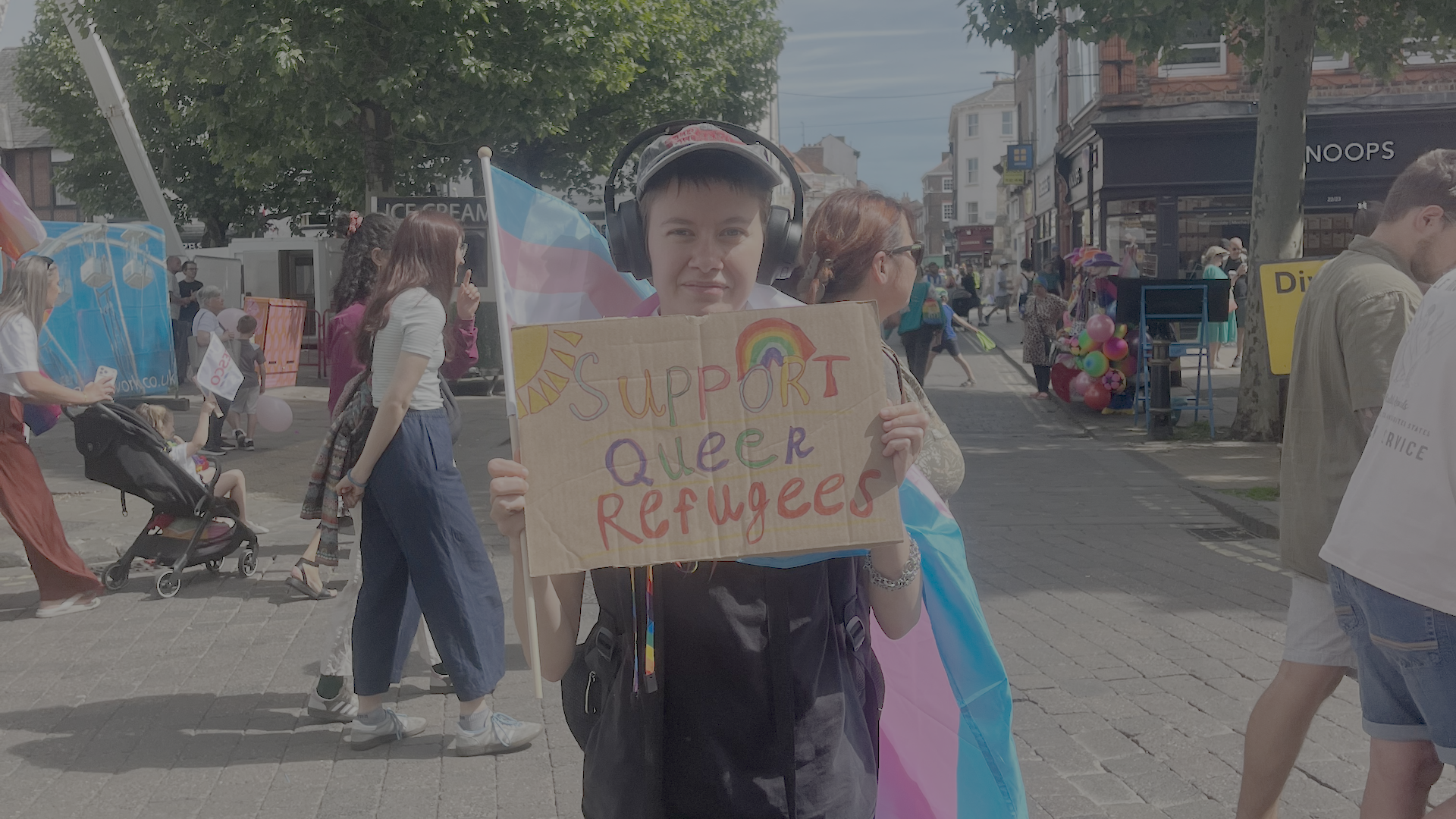
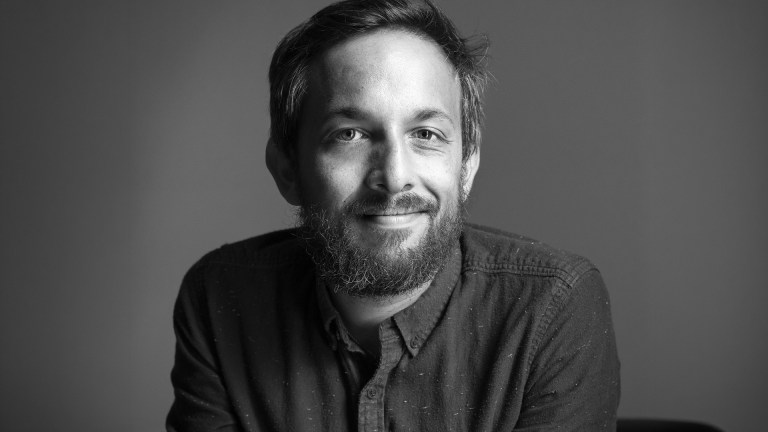
Ayman Eckford is a transgender refugee from Ukraine. Image: Supplied
Share
It’s not a secret that our quality of life affects our mental health. If we do not have enough security, freedom, and access to basic needs, we all start to struggle. Hateful speech and hostile rhetoric only make those problems worse. We understand this when it comes to ourselves, but why do we so often forget it when we speak about queer people and refugees?
This Pride Month, we need to think about one of the most marginalised parts of the LGBTQ+ community: queer refugees and asylum seekers with mental health difficulties.
I am an autistic trans person from Donetsk, Ukraine, who was raised in an unsupportive family and is now estranged from them. Before eventually settling in Sheffield, I was a refugee in three different countries. As with many others, I have experienced mental health challenges, including depression, anxiety, OCD, and complex post-traumatic stress disorder. Over time, I turned those experiences into a way of helping others.
Coming to the UK was one of the best things that happened in my life. I’ve been working and volunteering for more than 11 years, supporting queer neurodivergent people, including LGBTQ+ refugees and asylum seekers with mental health needs.
However, the anti-immigration rhetoric I’m seeing right now makes me feel sad and fearful. And it has a very real impact on the mental health of people, particularly LGBTQ+ refugees.
Advertising helps fund Big Issue’s mission to end poverty
Advertising helps fund Big Issue’s mission to end poverty
Research supports what my experience tells me: the asylum process, alongside stigma related to sexual orientation and gender identity, can have serious negative effects on the wellbeing of LGBTQ+ people. The United Nations high commissioner for refugees has also highlighted those challenges.
First and foremost, we need to understand why these problems happen. Being a person seeking asylum is difficult enough. You are not allowed to work unless you qualify for a very short and unusual list of professions that asylum seekers are allowed to do. You cannot vote, but you have to watch people vote on policies that affect your life, often without understanding what it really means to be a refugee.
As an asylum seeker, you don’t get to choose where you live if you don’t have enough money to rent independently, and if you do have savings, they can run out very quickly when you are not allowed to work.
Keep reading the journalism that powers our mission
Register free to continue and learn more about the stories, campaigns and the support we provide, helping people facing poverty across the UK.
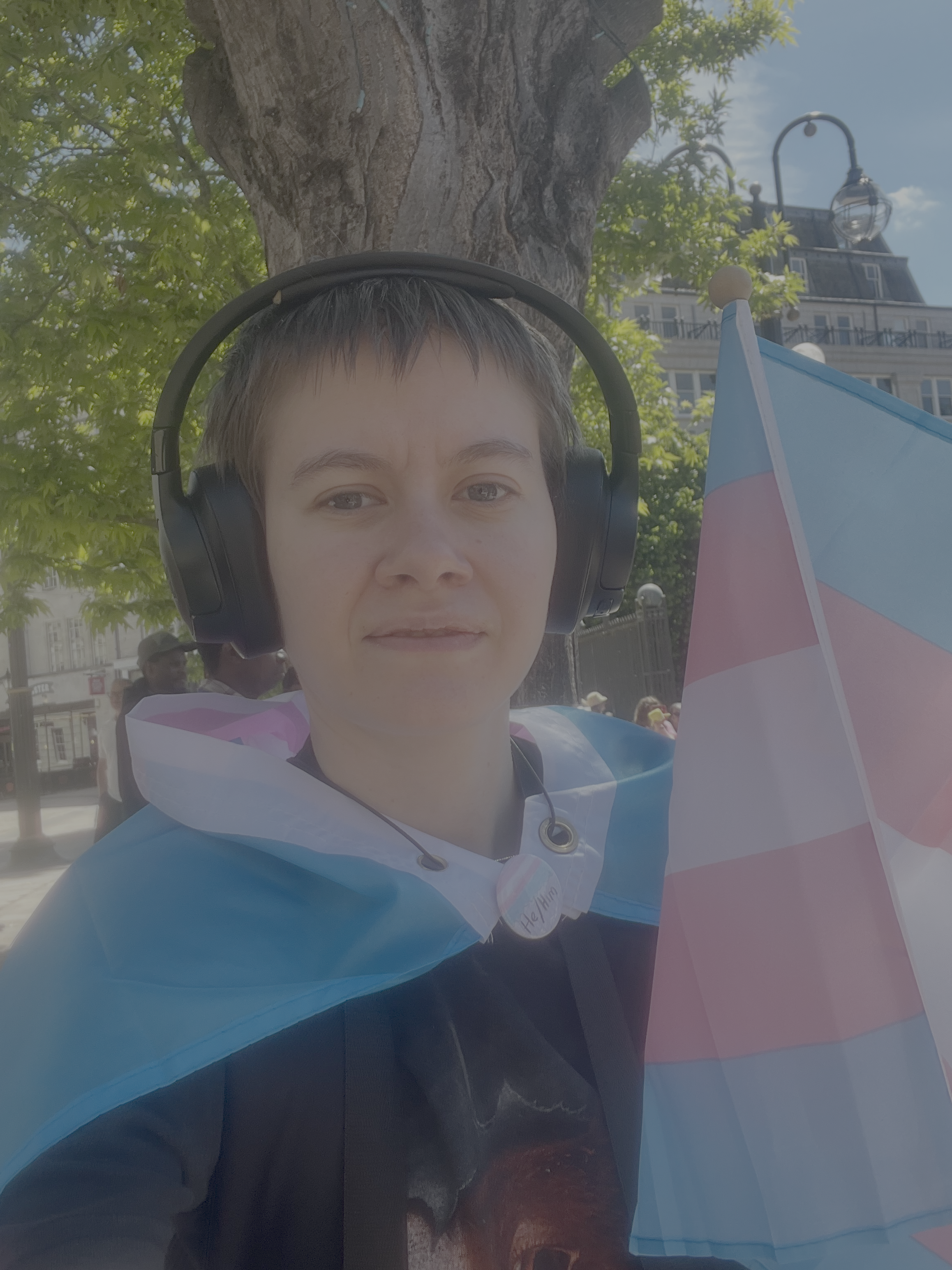
Ayman Eckford has worked and volunteered to support LGBTQ+ people for more than 11 years. Image: Supplied
Seeking asylum is also an emotionally difficult experience. You may miss your relatives and friends and struggle with a new language. Even if life here is much better and safer than in your home country, abandoning everything you have known since birth is difficult. And then, to have the chance to be granted refugee status, you must retell the most traumatic moments of your life during a Home Office interview, an experience that can also be re-traumatising.
If you finally receive refugee status, you feel relieved, but then you’re immediately faced with finding a job after years out of work and navigating a huge amount of paperwork.
The far-right is trying to stir up division and portray migration as some kind of adventure that people undertake in search of more money. But think about it: would you abandon your life and agree to live in limbo just for a slightly better quality of life? Would any of your friends or colleagues do it? Would you risk your safety on a dangerous journey, leave behind your family, and face hostility in a new country for “a bit more money”?
It is even more difficult for LGBTQ+ people because many of them arrive after years of persecution and discrimination in their home countries. They may have been forced to hide their identity, lose family and friends, or suffer violence just for being who they are. During the asylum process, they can encounter prejudice from interpreters, face disbelief or judgement from officials, and endure discrimination that makes an already traumatic system even harder to navigate.
You never know whether you will be allowed to stay or be sent back to a country where you may face imprisonment, violence, or even death. More than 60 countries around the world still criminalise same-sex relationships.
Organisations such as Rainbow Migration have reported increasing levels of complex mental health needs among LGBTQI+ people seeking asylum, driven by years of uncertainty, lack of access to support, and restrictions such as the ban on working.
It is also extremely difficult to access proper mental health support when you are a person seeking asylum due to NHS waiting lists, language barriers, and a lack of understanding about how mental health services work in the UK. Some queer asylum seekers come from countries where mental health is rarely discussed, where services are heavily stigmatised, or where seeking help or getting a diagnosis leads to discrimination. This means they may arrive with unaddressed trauma, face additional barriers in explaining their experiences, and struggle to find care that is both accessible and culturally safe.
What can be done? Researchers argue that “host countries need to ensure migrant and local communities are aware of state equality and LGBTQ+ anti-discrimination policies”.
But most of us do not work for the government. What we can do is refuse to let hateful rhetoric and hostile attitudes towards LGBTQ+ people and refugees take root in our own lives, in our communities, and in the media we share. We can challenge prejudice when we see it, support organisations that advocate for queer refugees, and make sure we do not add to the burdens faced by people who already live at the intersections of multiple forms of discrimination. Change starts with the choices we make every day: to listen, to speak up, and to act in ways that make life safer and more dignified for those most at risk.
Buy from your local Big Issue vendor every week – and always take the magazine. It’s how vendors earn with dignity and move forward.
You can also support online: Subscribe to the magazine or support our work with a monthly gift. Your support helps vendors earn, learn and thrive while strengthening our frontline services.
Thank you for standing with Big Issue vendors.
Advertising helps fund Big Issue’s mission to end poverty