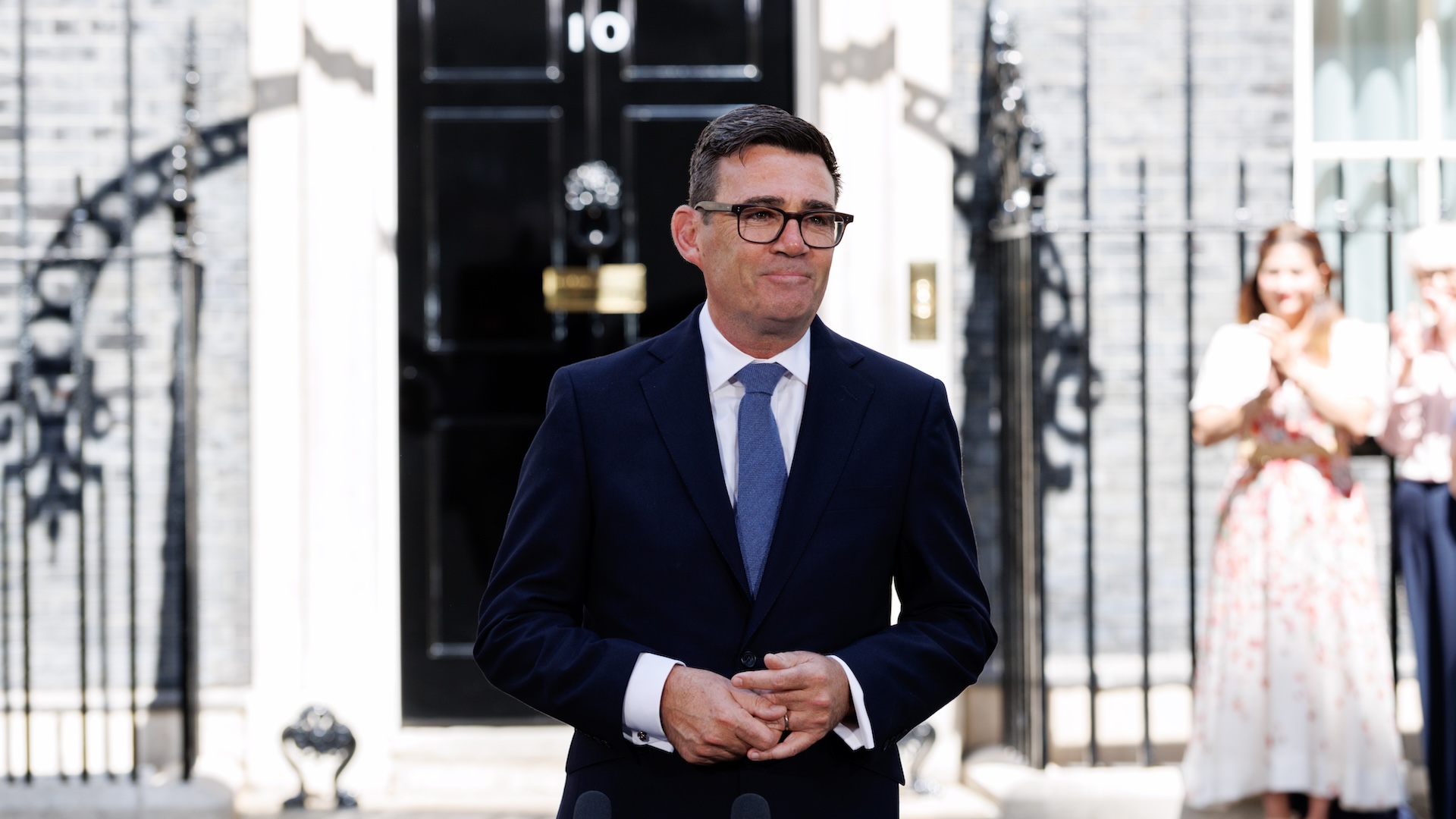
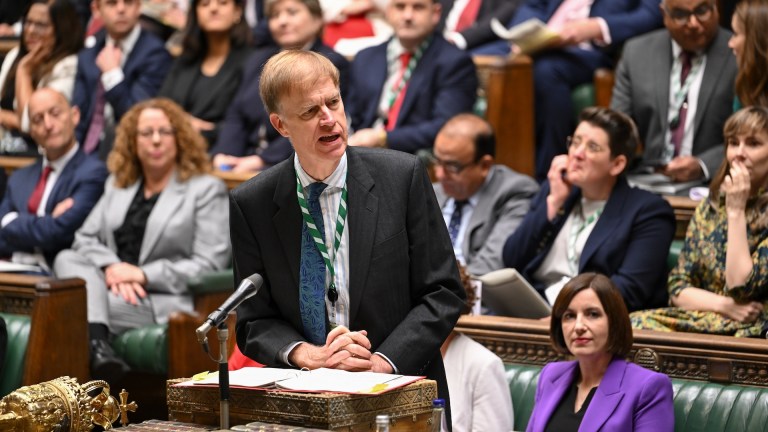
John Healey, the new chancellor of the exchequer, said: “For too long, too many people have struggled with the cost of living. Today’s energy tax cut will give families some breathing room on bills, and provide some reassurance this winter.”
At an estimated cost of £850 million in 2026-27, this measure will be funded by cancelling Starmer’s Digital ID programme. This was set to cost £1.8 billion over the next three years, according to the Office for Budget Responsibility last November. However, Starmer ally Darren Jones has claimed the policy was unfunded.
By bringing down the Ofgem energy price cap by around £45 a year (the price cap is the typical amount an average household can expect to pay for energy bills), Burnham is saving people around £3.75 a month. Every little bit helps, but it’s a long way to go before British people start to feel richer month to month.
Continue reading for free
Registration is free and takes less than 30 seconds.
Our supporters make Big Issue’s work possible. Join us to see the impact we’re having together and discover more ways to help people facing poverty access income, opportunity and support.
In another announcement on July 22, Burnham announced plans for bus fares in England to be slashed by up to a third from January. There will be a £2 cap on single bus tickets.
This is backed by £454 million extra funding, including funding for devolved governments. It comes from switching funding that had been set aside for international climate finance projects into loans.
The government claims that without the cap, single fares could soar above £10 on some services on the most expensive routes.
Advertising helps fund Big Issue’s mission to end poverty
Burnham said: “Good, affordable transport links are an essential. No one should be priced out of those and left behind.
“But for too long people have said that cheaper transport isn’t an option. I don’t accept that. I’ve done it before and I will do it again now: a £2 cap on bus fares for millions across the country.
“Lower fares will help people get to where they need to – giving them breathing space to help with the cost of living.
“As I said on my first day in office – I will build a country for everyone, everywhere. That means more connected communities, better access to opportunities, and a lighter load on people’s lives.”
Starmer had already capped fares at £3 until March 2027, while Burnham kept fares at £2 on his Bee Network in Greater Manchester. The Treasury stumped up £100 million to make bus travel free for kids throughout August as a cost of living measure.
Transport Secretary Heidi Alexander said: “This is about making those everyday journeys easier and cheaper. We’re cutting fares by a third to help with the cost of living, open up opportunities and keep people connected to work, school, healthcare and their friends and family.”
Advertising helps fund Big Issue’s mission to end poverty
In August, the new prime minister embarked on a ‘cost of living tour’ of Britain, where he pledged to be in “listening mode”, hearing from people across the country what the government can do to improve the cost of living crisis.
Burnham expanded the list of “everyday fixes” he is introducing, following on from the VAT cut on electricity bills and the slashed bus fares.
These latest initiatives include accelerating plans to tackle “subscription traps” by requiring companies to make it easier to cancel subscriptions and also to be more transparent about costs. Burnham will also launch a consultation on adding deceptive discount offers to the Competitions and Markets Authority’s list of banned practices.
“I know people are sick and tired of rip-off discounts and subscription traps,” Burnham said. “Westminster has got used to telling people that everyday hassles like this are just part of life.
“I don’t think that’s right, especially when the cost of living continues to weigh heavily on so many people’s lives.”
This builds upon work of Starmer’s government to help people tackle the cost of living, including expanding free school meals so that more pupils are eligible, which starts in September. There is also a new school uniform law that places legal limits on the number of branded uniform items a child is required to have, meaning parents can stock up on cheaper, non-branded basics.
Advertising helps fund Big Issue’s mission to end poverty
In a statement to the House of Commons on September 1, Burnham said: “Britain is not where any of us would wish it to be. Things are not working as they should. Life is too expensive and too hard for too many. This is why this government’s first moves were to give businesses and people a little breathing space.
“On tax, in my first week in office, we cut VAT on electricity bills and cut business rates for pubs, social clubs, and live music venues. We reinstated the two-pound cap on bus fares for the whole of 2027.
“These measures will provide some relief, Mr Speaker. They were funded by reprioritising within government as the bedrock of our approach will be grounded in fiscal responsibility. But in the long term, lifting growth and living standards will require much more.”
Burnham has also promised to rebuild the “resilience in our communities” and “re-industrialise our regions”. He has committed to bringing more essential services like transport and water into public ownership as part of a 10-year plan for growth.
What could Burnham do next to help people with the cost of living?
After the announcement about electricity bills, Helen Barnard, director of policy and research at Trussell, said: “[The] proposal to cut VAT on electricity bills shows the prime minister’s focus will be on tackling the cost of living. But this first step will do little for people being forced to turn to food banks to survive.
“We need to see more targeted support for families at the sharpest end of the cost of living crisis, who are being forced to turn to food banks because they don’t have enough money for the essentials.”
Advertising helps fund Big Issue’s mission to end poverty
In the last year, 2.6 million emergency food parcels were distributed to people facing hunger and severe hardship in the UK. That’s equivalent to a parcel every 12 seconds.
Trussell is calling for the government to lift the freeze on local housing allowance. It also wants to see the government make steps towards an essentials guarantee, which would ensure the basic rate of universal credit at least covers the cost of essentials.
There are more than eight million people in the country claiming universal credit to help them afford to live. That is roughly an eighth of the population. Starmer’s government increased universal credit to £98.05 a week for single people aged 25 or over and £166.74 a week for a couple.
But that’s still more than £20 off the money needed each week just to afford the essentials and £30 for couples, according to estimates from the Joseph Rowntree Foundation. Big Issue is backing the campaign for an essentials guarantee to be embedded into universal credit to ensure people can afford the basics they need to survive, at least.
Chris Belfield, chief economist at the Joseph Rowntree Foundation, said: “We face a tough living standards outlook, with the lowest-income households facing the biggest squeeze. Any action to help with that is to be welcomed. But there is still so much to do. The new government has an opportunity to meet this crisis head-on, with bold policy that fundamentally rethinks how we build household economic security.”
Belfield suggests measures such as controlling the growth of private rents, making basic energy use more affordable and improving the adequacy of universal credit and in-work safety nets to boost living standards for the majority of British people.
Advertising helps fund Big Issue’s mission to end poverty
Burnham is reportedly considering controls to make renting more affordable. Although the Renters’ Rights Act was widely welcomed, the key criticism was that it did not do enough to address the affordability of renting.
On 20 July, the Cost of Living Action (COLA) coalition sent an open letter to Burnham, calling for urgent action on the cost of living crisis with policies including private sector rent controls and building large-scale social housing. Burnham has already committed to the latter, promising the largest council house programme seen since the post-war period.
Clara Collingwood, director at the Renters’ Reform Coalition, said: “Everyone needs a decent affordable home, but soaring rents drive tenants into poverty, push us out of our homes and communities, and create huge social and economic costs for the whole of society. With rent rising faster than wages for 11 of the last 15 years, it’s obvious any attempt to improve cost of living that doesn’t include some form of rent controls will be trying to fill a leaking bucket.”
Burnham has said he will increase job support for young people, a key issue for the government to tackle as more than a million young people are not in education, employment or training. He also recommitted to more council housing and said that together these policies are the “fair and sustainable way to bring the welfare bill down”.
It comes after Starmer’s government faced significant controversy over plans to cut disability benefits in a bid to slash the welfare bill and was forced to U-turn.
Burnham has pledged to “build a new economy where we put life’s essentials back under stronger public control to make them affordable to you again”. This includes plans to “re-industrialise Britain, using public procurement to back British industry”.
Advertising helps fund Big Issue’s mission to end poverty
Danny Sriskandarajah, chief executive at the New Economics Foundation, said: “At the New Economics Foundation, we have been waiting 40 years for a PM who promises to ’build a new economy’.
“What we need to see now are the measures that will deliver the promises he just made on Downing Street. The new government’s top priority needs to be early action to address cost of living pressures through policies like a national energy guarantee, rent controls and free bus fares for under-25s.”
Although he has implemented the cap on bus fares, Burnham has not yet committed to free bus travel for young people.
“Over the longer term, the government needs to help rebuild the foundational parts of our economy that keep society functioning, through policies like a mass social housebuilding programme, accelerating the building of wind and solar, and renationalising key industries like water,” Sriskandarajah added.
Other potential options for the new prime minister include wealth taxes or a universal basic income. Burnham has previously backed a targeted universal basic income trial in Greater Manchester.
Starmer’s government made some big and positive changes to help people with the cost of living, such as ending the two-child limit on benefits to lift hundreds of thousands of children out of poverty, expanding free school meals to every child in a family on universal credit and introducing the Renters’ Rights Act which gives greater powers to renters.
Advertising helps fund Big Issue’s mission to end poverty
The question is whether changes like this can ever be enough after 14 years of austerity under the Conservative government decimated public services, the pandemic and global conflicts damaged the economy further, and the cost of living crisis plunged millions into hardship. In some ways, perhaps Burnham has an impossible job on his hands to make people feel as though life is getting better in Britain. Time will tell.
Do you have a story to tell or opinions to share about this? Get in touch and tell us more.
Change a vendor’s life.
Buy from your local Big Issue vendor every week – and always take the magazine. It’s how vendors earn with dignity and move forward.
You can also support online:
Subscribe to the magazine or support our work with a monthly gift. Your support helps vendors earn, learn and thrive while strengthening our frontline services.
Thank you for standing with Big Issue vendors.
Advertising helps fund Big Issue’s mission to end poverty