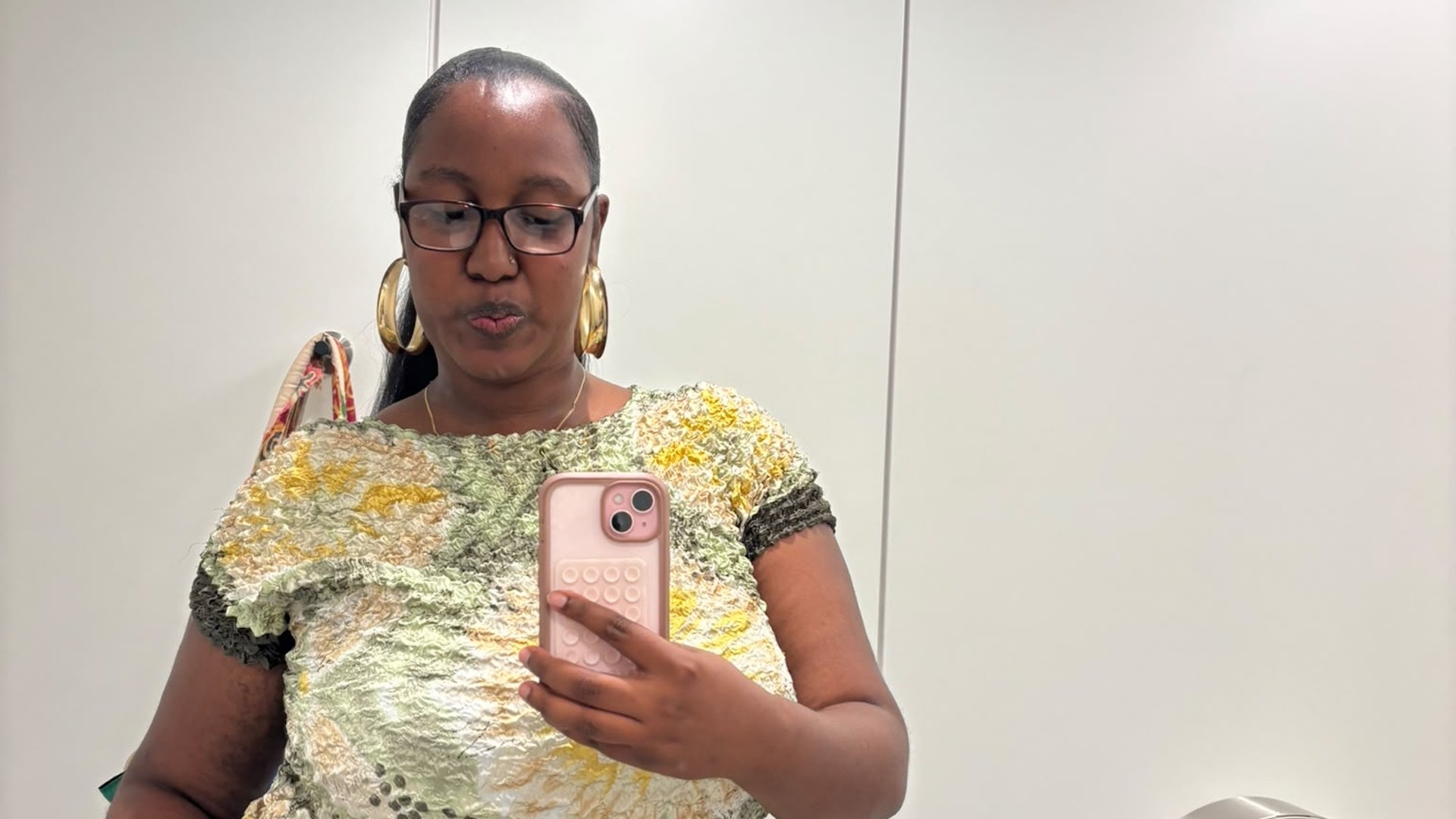
This is largely because of caring responsibilities. A third of young women who are not in employment, education or training (NEET) say that it is because they are looking after children, according to a recent survey from the Young Women’s Trust.
Meanwhile, a quarter (26%) said that they had been discriminated against because of caring responsibilities for an adult family member.
With the former health minister Alan Milburn due to announce his recommendations for the government on youth unemployment, the charity is calling for targeted support for young women.
Keep reading the journalism that powers our mission
Register free to continue and learn more about the stories, campaigns and the support we provide, helping people facing poverty across the UK.
Katharine Sacks-Jones, chief executive at Young Women’s Trust, says: “An alarmingly high number of young women are out of work, not because they lack ambition or talent, but because the system is not set up to support them effectively – and the barriers they face because they are women are just not being talked about.”
Natalya’s little family of two are now living in supported housing in a mother and baby unit, and she is now closer to family and friends.
“I can now access help when I need it, so I’m not completely stuck, but then the cost of that is I’m in an environment where it’s very intrusive. They do checks on my flat regularly,” she explains.
Natalya has been able to secure some freelance work, including around ensuring that black history is introduced to the national curriculum all year around. She has also been speaking about her experiences as a young mother looking for work on social media.
But she has been unable to find a permanent position.
“I’ve been lucky to have some opportunities come up. But a lot of them are not consistently paid work. I’ve secured freelance contracts – so I will work, but it’s not consistent work,” Natalya says.
Another 24-year-old woman, Holly, has similarly struggled to find work.
“There are a lot of people applying for the same roles that I am. They give you automatic rejections, or they don’t even come back at all,” she remarks.
Holly struggled with her mental health throughout her education and then became a full-time carer for her mother after leaving school. She has been in and out of jobs since and has faced her own health struggles which has impacted her ability to maintain work.
“Health conditions have taken a really big toll and that’s the main reason I’ve left jobs,” Holly says.
“It’s impacted me quite badly. It’s brought on a lot more depression. It’s quite strong. It makes me not very hopeful for the future now. We’re getting towards the end of the year now and still not having a role is quite hard, especially with finances as well.
“My partner provides everything because we live together but the bills are a lot. He’s had to use a lot of means of credit and it’s an awful situation because I can’t even get any help from the government either because he’s on too high of a wage to get any help.
“I tried to apply for universal credit but they said I would get nothing because his wages are apparently too high, but we’re struggling with bills, so it’s obviously not too high. We’re just stuck in the house until I get a new job, but one has not come yet. It took a really big toll on me and also my partner.”
Holly would like to start her own inclusive fashion brand one day, but she is currently looking for a role in administration or customer services.
Holly feels that employers’ use of AI to screen job applications is harming applicants.
“Applications should be screened by actual people and not just automatically put through the AI system,” she says.
“I’d also like to see more help to young people, whether that be more opportunities to get into a certain sector or more monetary help. Even getting to interviews on public transport is super expensive now, so getting out of the house and attending an interview is even hard for me.”
Natalya has also faced the mental health toll of the job search, and she felt there was a lack of support after she had had her baby.
“I had to be discharged from mental health support that I was receiving during my pregnancy. I was seeing a perinatal psychotherapist, and we had made such good progress,” says Natalya.
“I was doing quite well emotionally, but that service had an abrupt end at a time that would naturally be stressful. There’s not a lot of consideration for how the process is quite tricky.”
As Milburn prepares his recommendations, and with nearly a million young people out of work and education, the government is under pressure to act.
“It’s clear that addressing youth unemployment across the board needs urgent attention, but the government cannot assume that the same solutions will work for everyone,” says Sacks-Jones.
“Young women face unique challenges and barriers to work and any successful strategy must recognise those differences.”
Sacks-Jones says this means providing appropriate childcare and mental health support, designing jobs flexibly, and offering targeted support to those young women who might have become disconnected from the world of work over many years.
“I think a lot of the systems that we have in place need a complete restructuring, and a lot of them go hand in hand,” adds Natalya. “The bad job market correlates to the housing market. All those things go together. It needs to be re-examined how we approach those things and what we can actually do to help people. It takes a system that is brave enough to do that.”
Do you have a story to tell or opinions to share about this? Get in touch and tell us more.
Change a vendor’s life.
Buy from your local Big Issue vendor every week – and always take the magazine. It’s how vendors earn with dignity and move forward.
You can also support online:
Subscribe to the magazine or support our work with a monthly gift. Your support helps vendors earn, learn and thrive while strengthening our frontline services.
Thank you for standing with Big Issue vendors.