Facts.Checked
As unlikely as it may seem, it is true.
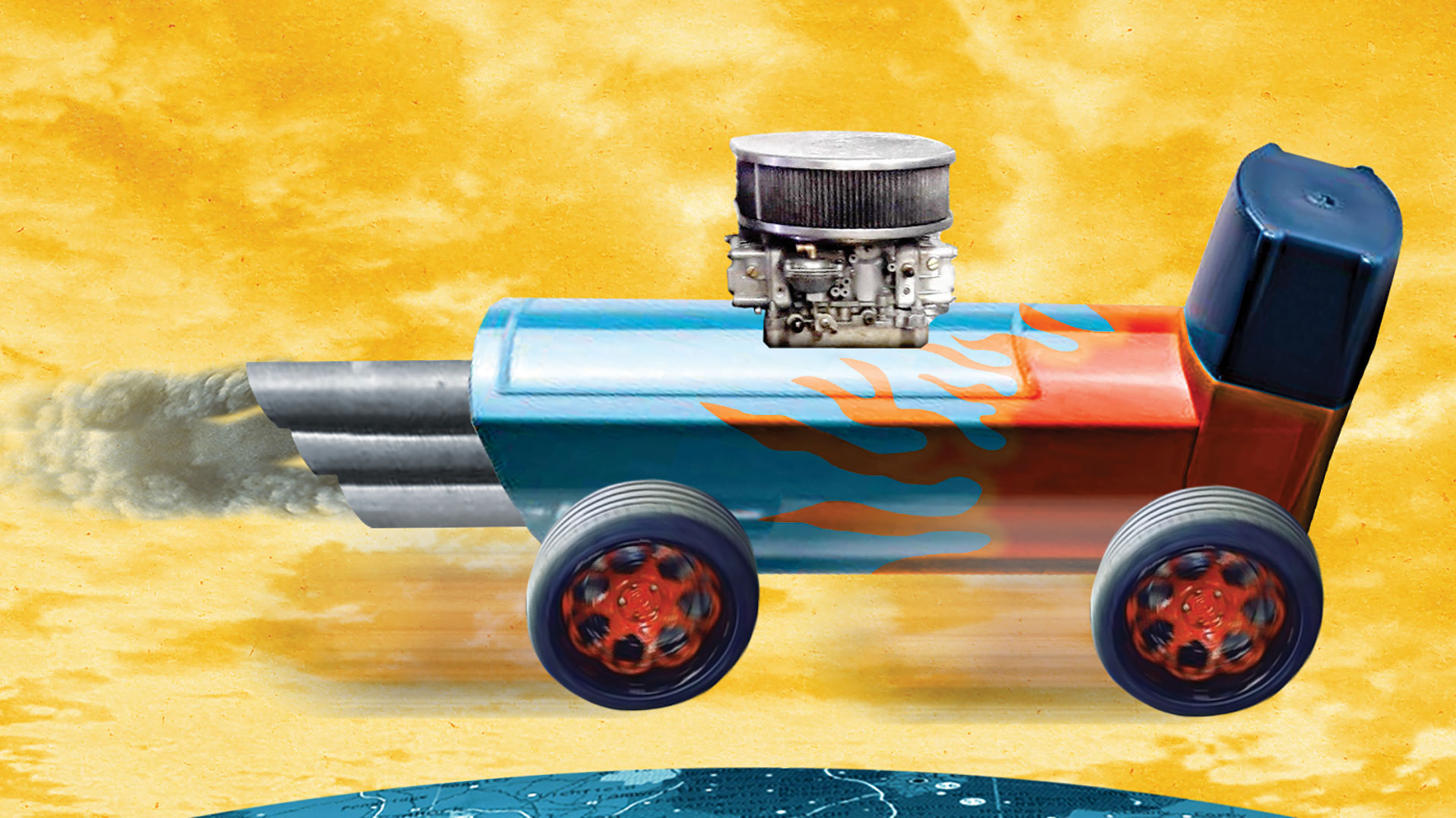
The claim centres on the use of metered-dose inhalers which use hydrofluorocarbons to propel the medicine into a user’s respiratory system. That amounts to a carbon footprint of 500g CO2eq per dose compared to just 20g for the alternative dry powder inhalers.
Five doses amount to the equivalent of a nine-mile journey in an average car, and with 100 doses per metered dose inhaler that adds up to 180 miles.
Keep reading the journalism that powers our mission
Register free to continue and learn more about the stories, campaigns and the support we provide, helping people facing poverty across the UK.
Trouble is, NICE reports that there were more than 26 million prescriptions for metered dose inhalers in England in 2016/17, with this model accounting for 70 per cent of UK inhaler sales.
The impact they are having has been on the radar of the NHS for some time before the latest warning.
A British Medical Journal report in 2013 – entitled “Propellants in metered dose inhalers are powerful greenhouse gases” – highlighted the incredible impact these life-saving devices have on the environment.
Advertising helps fund Big Issue’s mission to end poverty
Across the NHS as a whole, its annual climate change potential at the time was 20 million tonnes of carbon dioxide – or three per cent of the UK’s total emissions – and the same as the whole of Estonia. This was split down to 35 per cent from heating, lighting and transport and 65 per cent from procurement and the delivery of healthcare, including drugs, with respiratory inhalers some of the biggest offenders in the latter group.
The NHS has pledged to tackle its environmental output with a Long Term Plan and asthma inhalers receive a specific mention as an area to cut down on.
However, there has been some backlash from patients who hit out at charity Asthma UK on social media after NICE’s warning, insisting that the onus should be on the manufacturers that the NHS opts to work with, not patients to assess their carbon footprint. Others stressed that having the right inhaler for their condition came as a priority over saving the planet.
And there is a certain irony that the stories were published just as London mayor Sadiq Khan unveiled a new ultra-low emissions zone while another report from The Lancet uncovered that vehicle pollution led to four million child asthma cases worldwide each year.
Asthma patients can’t win – pollution either contributes to the condition or is exacerbated by treating their symptoms.
Advertising helps fund Big Issue’s mission to end poverty
Image: Miles Cole