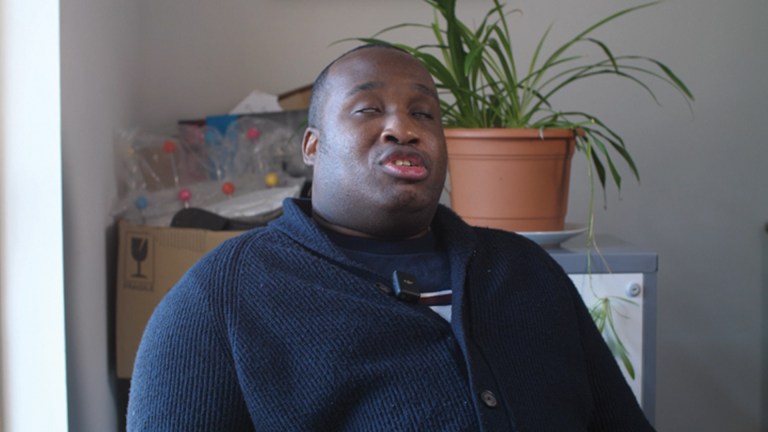
“The mobile nature of this clinic will allow us to reach the most vulnerable people in the City in a way that is flexible to their needs.”
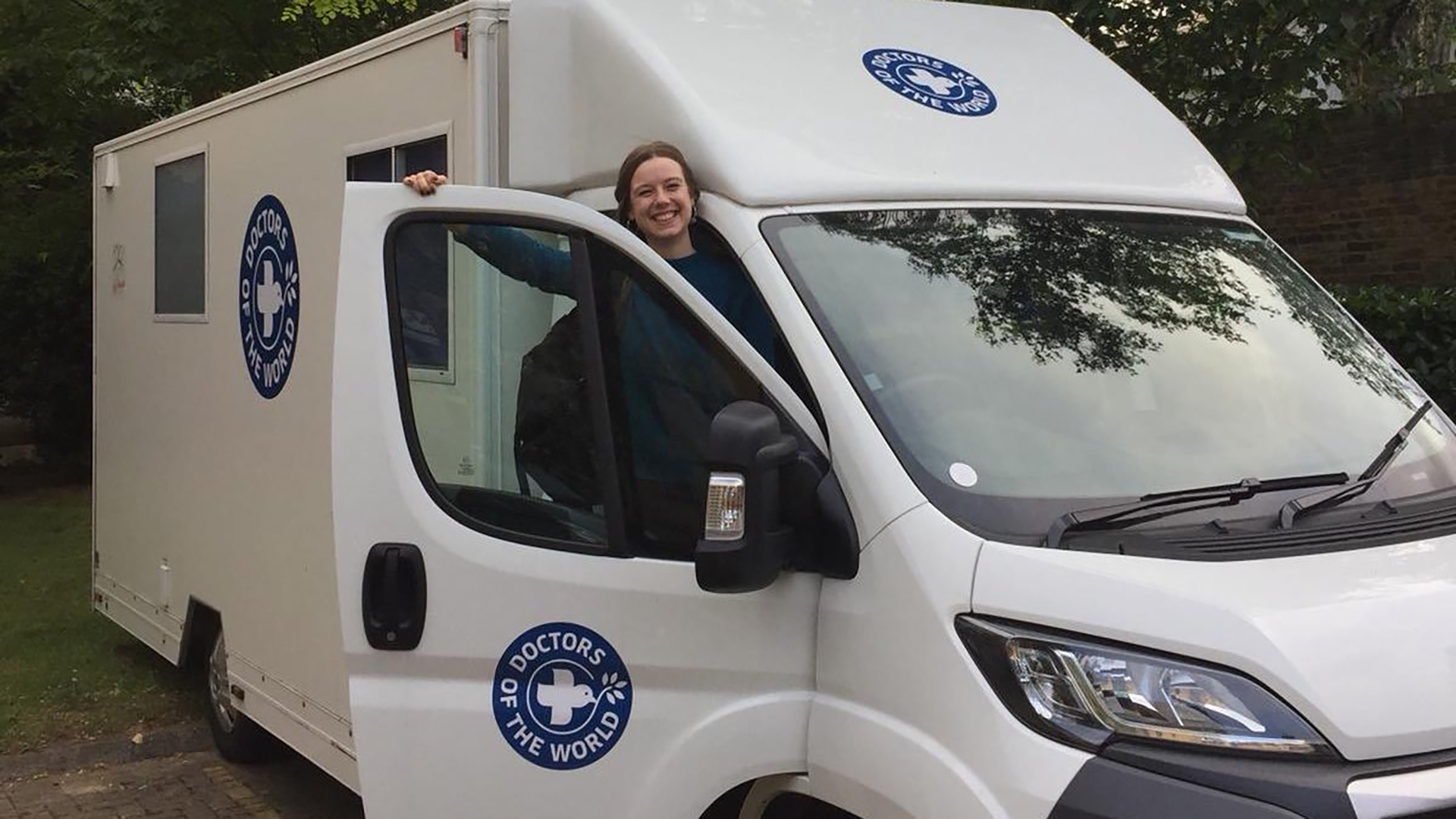
The mobile GP will run on a weekly basis and visit predetermined spots across the city where rough sleepers and homeless people can attend.
Earlier this year it was found that vulnerable people without a fixed address are being turned away from GP surgeries despite NHS guidelines that say they should receive treatment.
Keep reading the journalism that powers our mission
Register free to continue and learn more about the stories, campaigns and the support we provide, helping people facing poverty across the UK.
Marianne Fredericks, chairman of City of London Corporation’s health and wellbeing board, said: “We know that rough sleepers experience a whole host of barriers when it comes to accessing proper healthcare.
“Doctors of the World provides fantastic support for the most vulnerable in our society, and this pioneering service will be invaluable for the Square Mile’s homeless population.
“Together we are supporting the them with medical care in a safe environment, and helping them get off the streets for good.”
Advertising helps fund Big Issue’s mission to end poverty
The City of London has one of the highest rates of rough sleepers in the capital with a total of 441 rough sleepers in 2018-19 according to official counts.
Dr Mark Rickets, chair of NHS City and Hackney Clinical Commissioning Group, said: “Supporting and doing all we can to provide health and care services to some of the most vulnerable people living on our streets, is crucial to reduce inequalities.
“By working with an organisation like Doctors of the World, we can hopefully reach individuals that may not have had any other opportunity to access services, and in turn improve their quality of life in some way.”
The Big Issue has previously reported on the barriers homeless people face when trying to access basic health care. Royal College of Nursing chief executive Janet Davies told us that underlying health issues frequently contribute to someone being trapped in a cycle of rough sleeping.
She added: “The longer they do, the greater the risk that those problems will worsen. But the barriers to accessing healthcare – getting through the door of the NHS in some form – must not be underestimated.
“These obstacles can mean health problems remain untreated until somebody reaches crisis point, with a cycle of repeated A&E visits and overnight stays that fail to deal with underlying issues. For somebody who is homeless, hospital trips like this occur four or five times more often than for the rest of the population.”
Advertising helps fund Big Issue’s mission to end poverty