Just two regions in England have affordable rents for poorest families
ONS figures highlight the huge cost of renting across the country as millions of families are hit with an £80 a month universal credit cut.
by: Sarah Wilson
7 Oct 2021
The most expensive areas were London, the south west and the east, where the poorest households shelled out over 50% of their monthly income on even the cheapest rents.
Share
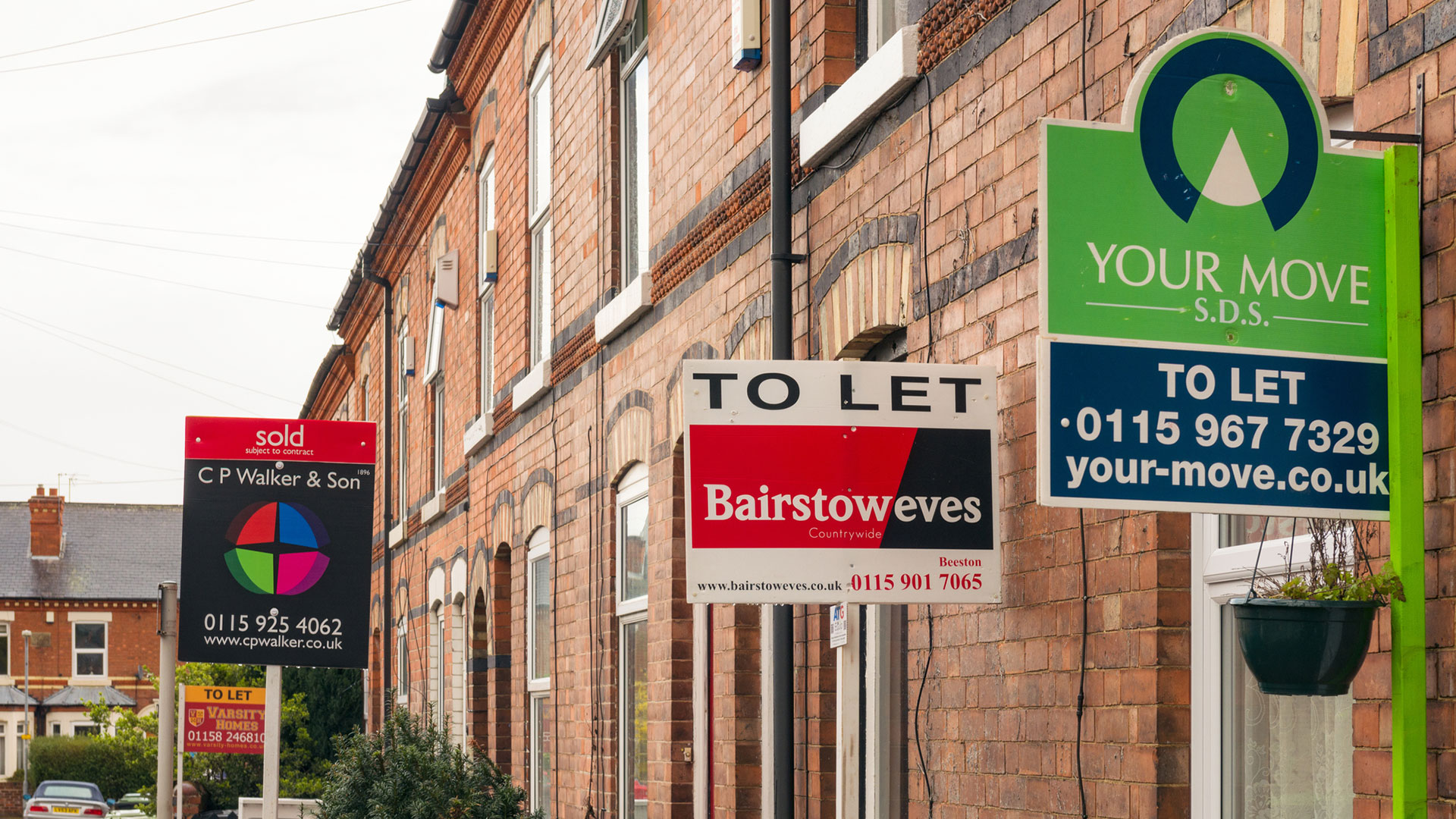
Just two regions in England have housing that is affordable for local renters on the lowest incomes, data from the Office of National Statistics (ONS) has revealed.
Campaigners have called the figures “disgraceful” and accused the government of giving renters the “short end of the stick” as a cut in universal credit threatens to leave millions struggling to pay living costs.
The ONS analysed monthly earnings and monthly rental costs for households across England to assess affordability, classing “unaffordable” rent as any costing more than 30% of a household’s monthly earnings.
Their analysis found that in 2020, low income households were forced to spend more than 30% of their monthly income on rent in every region except the north west and East Midlands.
The worst-affected areas were London, the south west and the east of England, where the poorest households shelled out over 50% of their monthly income on even the cheapest available rents.
Even in the north west and East Midlands, only the very cheapest homes (less than £500 per month) cost low-income renters less than 30% of their monthly income.
Advertising helps fund Big Issue’s mission to end poverty
Advertising helps fund Big Issue’s mission to end poverty
For any rents above this level, low earners in the regions were faced with shelling out 30% or more of their income.
A spokesperson for Priced Out, England’s national campaign for affordable house prices, said that widespread unaffordability has been driven by a “failure to build enough homes”, with renters “effectively in a bidding war against each other for the limited number of homes available”.
With a cut to the £20 uplift in universal credit hitting millions of households this week, the campaign accused the government of failing to support struggling renters.
Keep reading the journalism that powers our mission
Register free to continue and learn more about the stories, campaigns and the support we provide, helping people facing poverty across the UK.
“Despite the government’s ultimate responsibility for this failure [on housing], it continues to reduce the little support people have through cuts to welfare. Yet again renters have got the short end of the stick,” the spokesperson said.
Representing a reduction of £80 per month in income, the cut in universal credit will leave a number of households facing higher living costs, with some already in rent arrears as a result of the pandemic.
Analysis of the ONS data shows that the cut could push monthly rental costs into the “unaffordable” bracket for some households.
In the north west for example, households in the lowest income bracket earned an estimated £1,645 a month in 2020, with the lowest-cost rent standing at £475 per month – 28.9% of monthly income.
If these households were on universal credit in 2020, and assuming they remain on universal credit, their monthly income will now drop to £1,565, meaning even the lowest-available rents will now cost them 30% of their monthly income, should the rents remain at the same level as last year.
“’Affordable housing’ is all well and good, but we have repeatedly seen that the government’s definition of affordable simply has no correlation to reality,” he said.
“This is demonstrated not only by the disgraceful fact that so few areas actually have ‘affordable’ rent that costs less than 30% of their monthly income, but also that [many] housing schemes are open to people earning £80-90,000 per year.”
A spokesperson from the Department for Levelling Up, Housing and Communities said: “We’re investing over £12billion in affordable housing, including for social and affordable rent – this will unlock a further £35bn in public and private investment to further boost the number of homes available.
“Our action since the start of the pandemic has helped keep renters in their homes – through banning bailiff evictions, extending notice periods and providing an unprecedented package of financial support.”
Advertising helps fund Big Issue’s mission to end poverty