Read more:
And yet, there are some notable versions. Madra Salach’s drone brings new intensity to Turkish Song of the Damned. Steve Earle’s If I Should Fall from Grace with God is raw and sore, while Bobby Gillespie shines new light on A Pair of Brown Eyes. And Summer in Siam, that final high watermark of The Pogues before Shane’s exit, sounds like it was written for Waits. Which, it turns out, it might have been. MacGowan thought of others interpreting his songs throughout his career.
“When Shane was writing Rainy Night in Soho, he wanted Frank Sinatra to sing it,” says Clarke. “Unfortunately, Frank never got to hear it. Shane didn’t give up on those ideas. He was writing things he thought Bono should sing. He wrote a song that he wanted The Jesus and Mary Chain to do, I’ll Be Your Handbag, which they ended up recording for the tribute album.
Keep reading the journalism that powers our mission
Register free to continue and learn more about the stories, campaigns and the support we provide, helping people facing poverty across the UK.
“Although he didn’t mention it at the time, when he was doing Summer in Siam, it was very much a Tom Waits song, in the sense that it had that feeling I think Tom Waits brings to music.”
One odd omission is Cave, a close friend and the person whose version of A Rainy Night in Soho sums up MacGowan’s funeral.
“Nick Cave was actually one of the first people to say yes, but then he changed his mind. He decided he didn’t like tribute albums and didn’t want to do it.”
Another one who got away is Kneecap. Victoria had Down in the Ground Where the Dead Men Go, that raucous track shrouded by the shadow of the Irish Famine, in mind for them.
“I had a couple of conversations with [Kneecap], and they felt very uncertain about their ability to do it. They weren’t sure they could do it justice, and they weren’t sure they could really sing because they’re not singers, they’re rappers. They felt they might mess it up. Shane was very aware of them. He thought they were really cool, and I think he would have loved to have met them.”
Some 50% of profits from the album sales will go to Dublin’s Simon Community, a homelessness charity.
“Shane very much identified with the homeless,” says Clarke. “He felt that many of the homeless people he met had been marginalised for generations, perhaps going back to the occupation of Ireland, which had forced people to emigrate. They then found themselves isolated, oppressed and marginalised in England and America.
“He felt that their problems with alcohol and drugs were probably related to that isolation. I think he saw it as something systemic.”
What does she miss most about him?
“I miss everything. I suppose I miss his sense of humour, his presence and his beauty. We had a lot of laughs, and we spent so much time together. It’s like having a part of you gone. But I do feel his presence a lot of the time, especially when I’m sitting at home quietly. I communicate with him. I write to him, and I get bits of writing back. I get dialogue back from him.”
What does he say?
“All kinds of things. Obviously, I asked him about the album, and he said he was very humbled and thought that the people involved were really beautiful. I suppose that when he was alive, he might have taken the piss out of some of them. But now I think he’s shocked by it all.
“He likes being dead. He loves it. He loves where he is. He always planned to go to heaven, and he always knew that heaven was going to be a place where he could do everything he wanted. He wouldn’t be limited. He could party, play music, drink, smoke and do anything he liked. He had this very strong idea of what heaven was going to be like, and he went straight there.
“Very soon afterwards, he started telling me that he was hanging out with Ronnie Drew and all his old friends.”
Heaven, for MacGowan it seems, is like backstage at The Late Late Show in the 1980s. You might have your own thoughts about Clarke’s channelling, but you can’t deny the reassurance that people seek from any intimations of the divine.
And with Shane MacGowan, it was always going to be a little different.
“He was all naked, bottomless humanity,” says Springsteen. “Threatening to force us to ask ourselves if we were living authentically. He was raw, hilarious, no apologies and profound.
“I don’t know who’ll be listening to my music in 100 years, but I know they’ll be listening to Shane’s.”
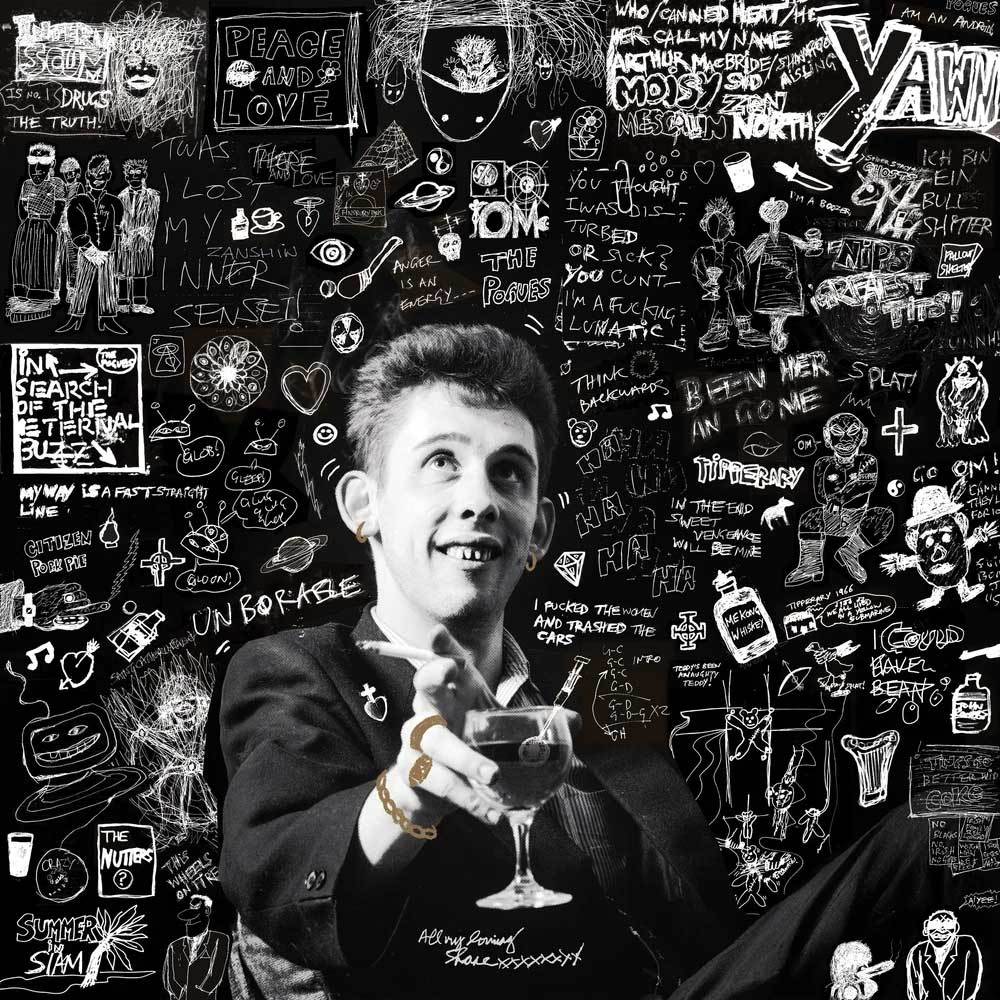
20th Century Paddy: The Songs of Shane MacGowan is out now on Rubyworks
Do you have a story to tell or opinions to share about this? Get in touch and tell us more.
Change a vendor’s life.
Buy from your local Big Issue vendor every week – and always take the magazine. It’s how vendors earn with dignity and move forward.
You can also support online:
Subscribe to the magazine or support our work with a monthly gift. Your support helps vendors earn, learn and thrive while strengthening our frontline services.
Thank you for standing with Big Issue vendors.