Advertising helps fund Big Issue’s mission to end poverty
Theatre

Bonnie Oddie: 'There's no one-size-fits-all answer to assisted dying'

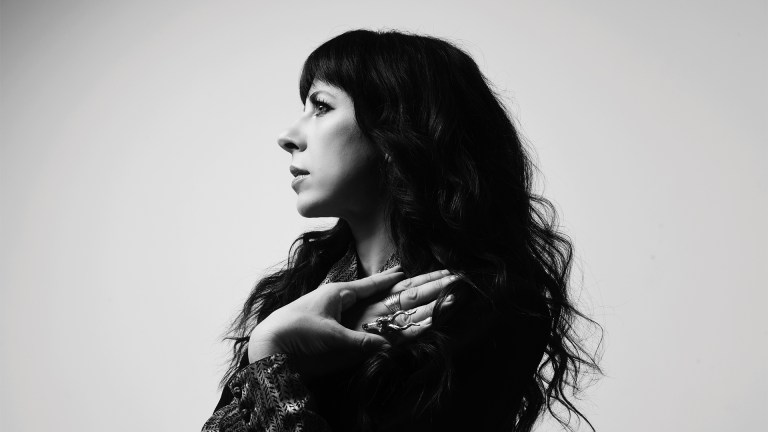
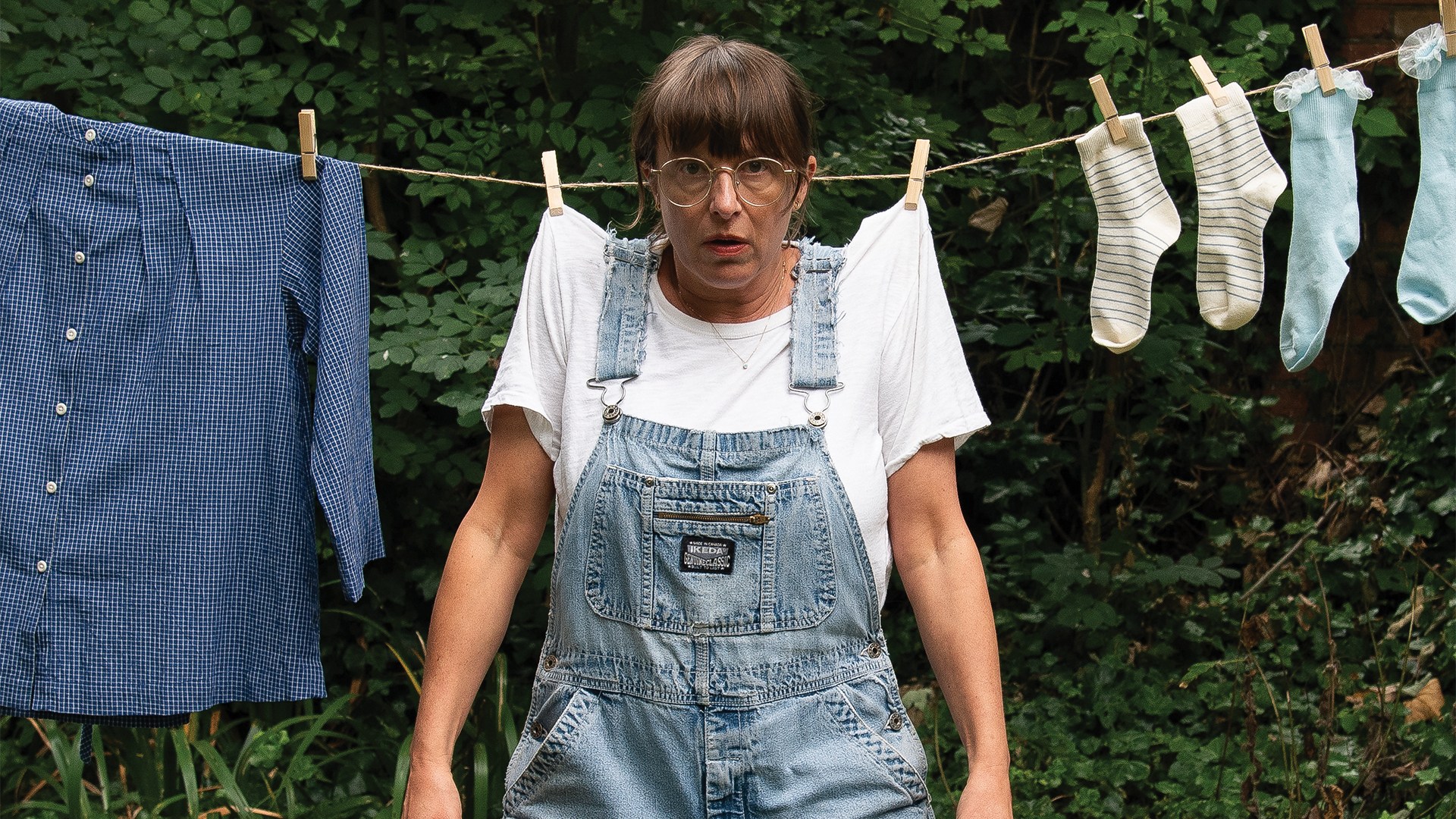
Bonnie Oddie turned the story of accompanying her mother to Dignitas for an assisted death into a show at the Edinburgh Fringe

Bonnie Oddie is using her family experience to get people talking

In 2019, my family and I accompanied Mum to Dignitas for an assisted death. In 2026, I’m back at the Fringe with the show I wrote based on that experience, That’s Why Mums go to Switzerland, at a time when more people are talking about assisted dying than they were in 2019. 

I had been living in Mum’s house with my two teenage daughters for four years when she was diagnosed with Alzheimer’s – and swiftly announced her plans for a trip to Switzerland. 

Many of us determine not to pass on the emotional heritage our parents gave us when we have children. Living together, becoming a “bad mother and a bad daughter at the very same time” made me realise just how difficult that actually is… we are literally made of what our parents gave us. I wanted to protect everyone from everything, while simultaneously wanting to tell everyone to f**k off (I’m sure I wasn’t alone in that). And then came navigating Mum’s choice to end her life. Whispers about wanting to end life, at different times and for different reasons, had been present within my family for years. Ideas about suffering, whether it can be transformed, and who is responsible for doing so, have been with me since childhood. 

That may be partly why Nichiren Buddhism resonated so readily with me. The philosophy holds that all life possesses limitless potential for courage, wisdom and compassion, revealed when met with the right cause. Therefore, all life is equally worthy of absolute respect. How that translates into legislation is something I grapple with. My instinct is all lives and deaths are unique. The question I think might be most important is: what does compassion look like, given life’s changing circumstances? 

Most conversations about assisted dying in the UK happen within the confines of debate. I’m not good at debate. It’s binary in nature. I’m not convinced there is a one-size-fits-all answer. My only firm conviction about the law as it stands, is that people should be able to talk about what is happening, and receive emotional support from within their communities, without fear of punishment. 

Read more:
Advertising helps fund Big Issue’s mission to end poverty

I have always felt – and my mother once reluctantly conceded – that politics doesn’t touch the sides when it comes to death and dying. I found it impossible to join the assisted dying debate in the years after her death. Lots of voices and opinions. Lots of understandable fear, anger and pain. I was grieving. I couldn’t do it.

I hadn’t performed at the Fringe since 1991 when I was a young dance student – those memories are fun and fuzzy. The thought of standing on the Royal Mile, handing out flyers and doing backflips to sell a play based on Mum’s death did not appeal. However, I gave it a go last year. With my executive producer Michelle’s backing and outlandish “Let’s do it!” American energy, we found a slot with the lovely [Edinburgh venue] C Arts and got on a train. 

The show was well received. There were awkward moments, such as re-enacting her death for an audience of two sweet young women in the front row of my tiny venue. It was difficult to know what to do. I didn’t want to make eye contact, avoiding it also seemed wrong. There were also beautiful moments. After one performance, I found a 17-year-old girl talking to a couple in their seventies about death and families. They had shared a tear and a laugh. That image has stayed with me. Intergenerational conversations about
family, death and dying feel important. 

In coming back to Edinburgh while the subject of assisted death and dying is still so current – the Scottish parliament only recently rejected the latest attempt and the bill is back in the House of Commons – I’m hoping to give audiences some space to discuss the topic openly, compassionately and without judgement. I hope that what I’m sharing might help bring to awareness how people feel about death and dying, even if that’s realising they don’t know how they feel. 

I am happy to be returning to Edinburgh and to be sharing this story with more people. The work has received some beautiful responses. I hope for more to follow.

Do you have a story to tell or opinions to share about this? Get in touch and tell us more

Change a vendor’s life.

Buy from your local Big Issue vendor every week – and always take the magazine. It’s how vendors earn with dignity and move forward.

You can also support online:
Subscribe to the magazine or support our work with a monthly gift. Your support helps vendors earn, learn and thrive while strengthening our frontline services.

Thank you for standing with Big Issue vendors.

Advertising helps fund Big Issue’s mission to end poverty

Do you know how Big Issue 'really' works?

Watch this simple explanation.

Recommended for you

View all
Actor Shonagh Marie: ‘Coming into care as a teenager was a whole different kind of trauma’
Actor Shonagh Marie in Bullet Tongue
Arts

Actor Shonagh Marie: ‘Coming into care as a teenager was a whole different kind of trauma’

Dame Elaine Paige: 'The pandemic awakened me to the idea that I was on a treadmill with my work'
Dame Elaine Paige
Letter To My Younger Self

Dame Elaine Paige: 'The pandemic awakened me to the idea that I was on a treadmill with my work'

Tanya Reynolds: 'Women can never relax'
Theatre

Tanya Reynolds: 'Women can never relax'

The Opioid crisis has been turned into an opera
Opera

The Opioid crisis has been turned into an opera