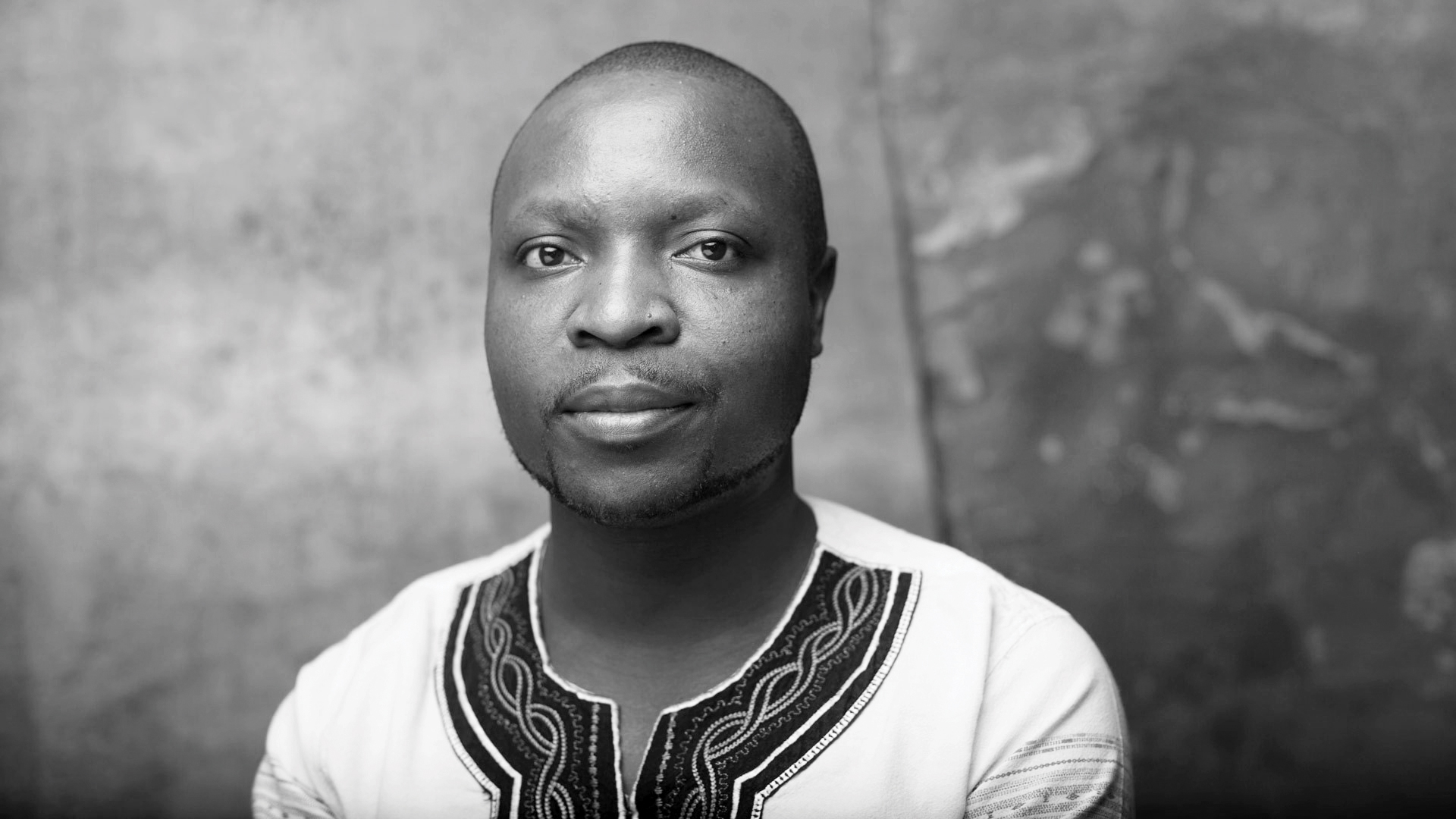
William Kamkwamba recalls the pain of the hunger he faced as a boy: his spinning mind, inability to concentrate, weakness, struggling to breathe. He once collapsed while tending to crops in his family’s field.
Kamkwamba grew up in Wimbe, a village in Malawi, and his family were among millions who faced acute food insecurity during the famine of 2001 to 2003. It was the worst Malawi had ever seen, estimated to have caused 85,000 deaths.
He was forced to drop out of school because his family could not afford the tuition fees.
But within the tragedy – and despite the hunger – 14-year-old Kamkwamba had a brilliant idea which would help his family and eventually bring water to his village.
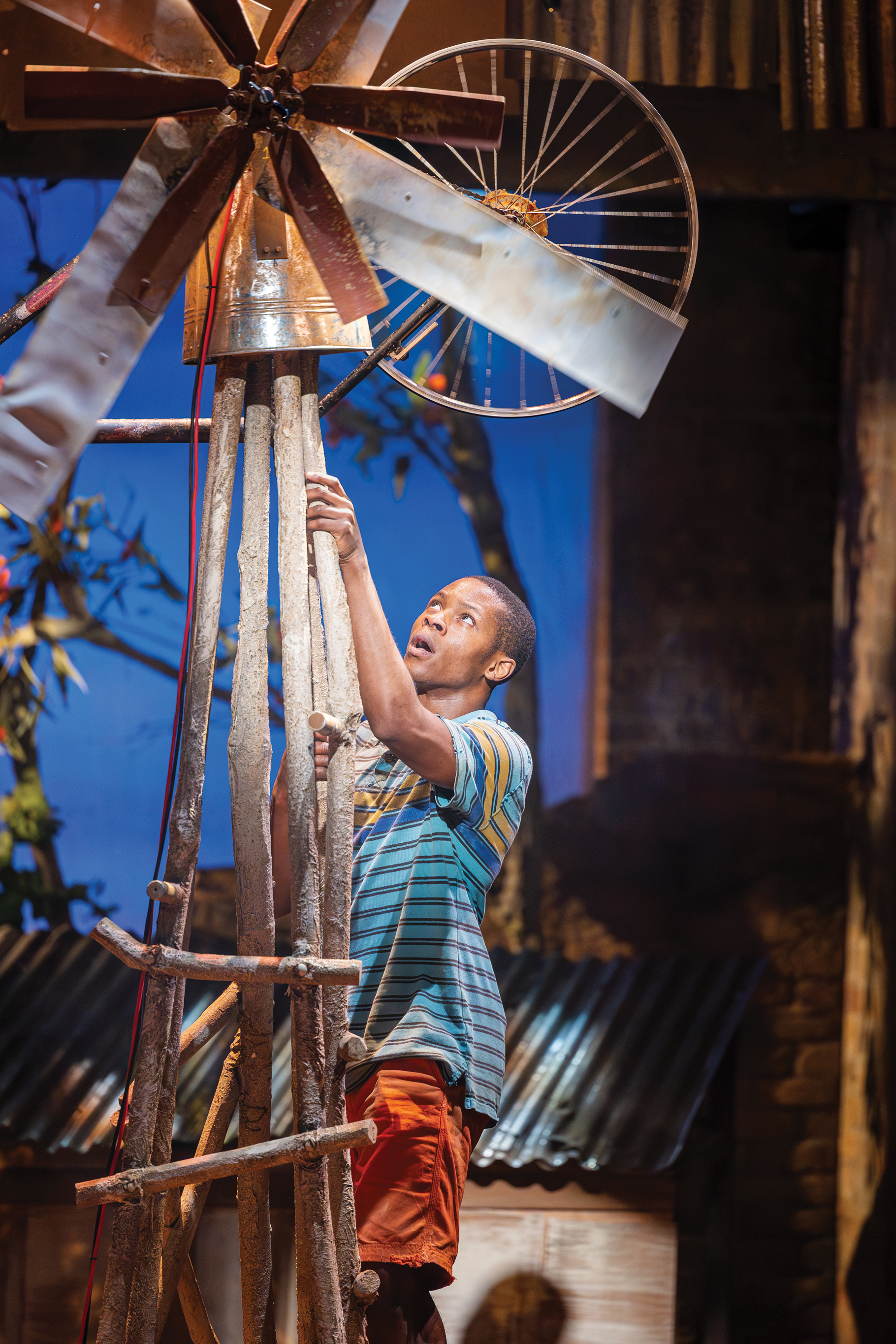
He invented a wind turbine, borrowing books from the small library in the village to teach himself, and using materials in the local scrapyard and bicycle parts. Through skill and determination, he brought electricity to his family’s home.
Advertising helps fund Big Issue’s mission to end poverty
Advertising helps fund Big Issue’s mission to end poverty
Kamkwamba later went on to build more windmills and a solar-powered water pump to provide clean drinking water to the village.
His story was told in a 2009 memoir The Boy Who Harnessed the Wind, co-authored by US journalist Bryan Mealer. This was adapted into a film in 2019, directed and starring Chiwetel Ejiofor. It has now been made into a West End musical production by the Royal Shakespeare Company, with Ejiofor as executive producer.
“It’s very exciting,” Kamkwamba says about the show. “I have mixed feelings because I’m reliving the past. Some of that past was exciting. Some of the past was very hard. But overall, I’m very happy the story is being told in a musical.”
There is tremendous hope to be found in the story of a brilliant young inventor – but Kamkwamba also faced significant hardship growing up.
“Hunger is a very difficult thing,” the 38-year-old says. “You start craving food you don’t like. In your mind, it’s one of the most delicious foods you have ever had.”
Advertising helps fund Big Issue’s mission to end poverty
Portion sizes kept shrinking, and Kamkwamba remembers thinking: ‘Am I going to live to see tomorrow?’
“Hunger changes people,” he adds. “People you normally wouldn’t think of stealing would steal food because they are so desperate.”
There are happy memories too. Just like any other child globally, Kamkwamba played games with friends, and they found ways to keep themselves entertained. He was an inventor from a young age, competing with friends to make the best toy car.
If he could relive any day, it would be when he put up the windmill.
“I had been working on that project for a long time, and people were laughing at me. The day that it started working was very exciting.”
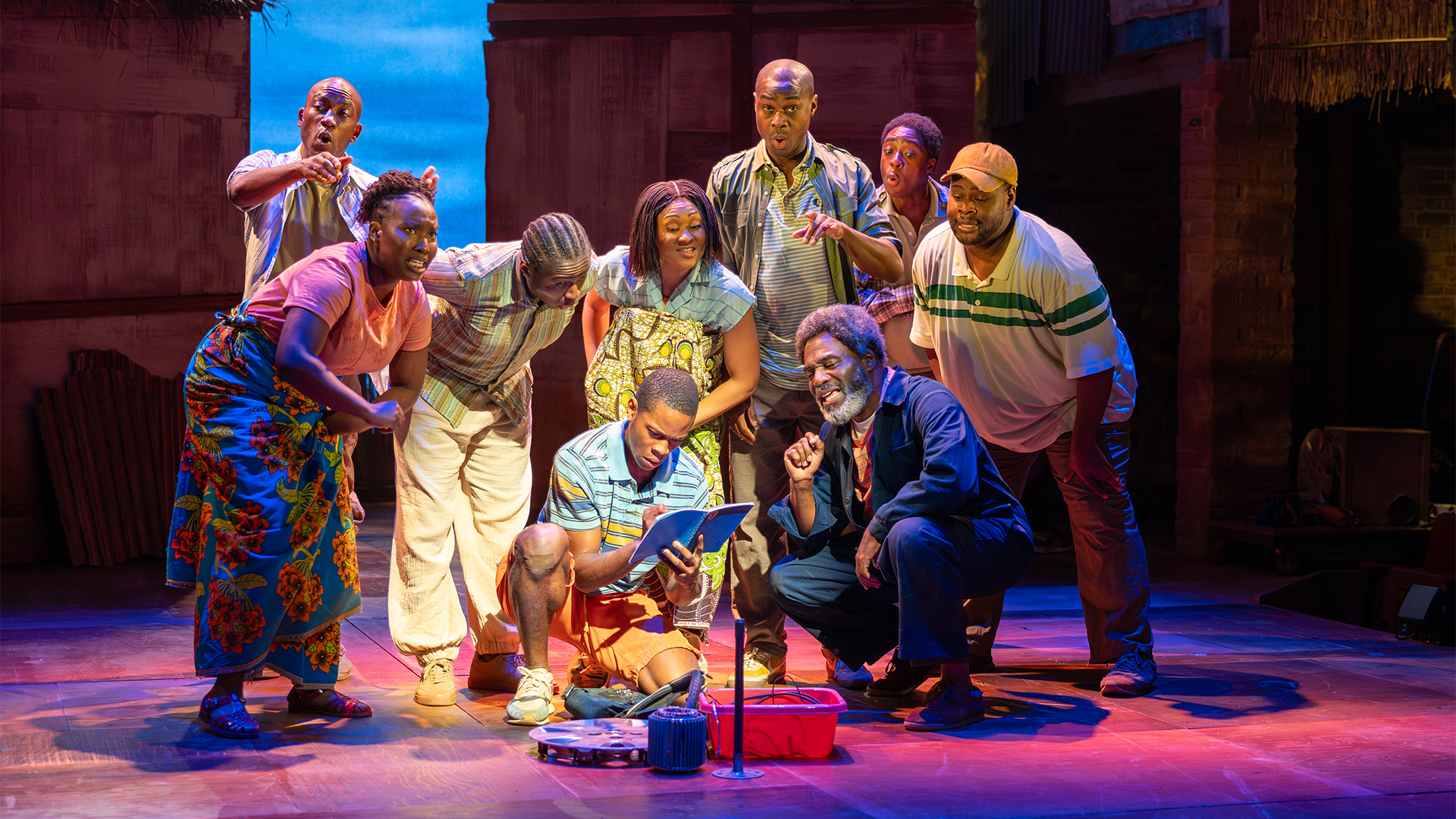
The Royal Shakespeare Company cast. Image: Tyler Fayose
Slowly, the world started to hear about Kamkwamba. His invention was written about in local press, and he was invited to give a TED Talk in Tanzania in 2007.
Advertising helps fund Big Issue’s mission to end poverty
Bryan Mealer had been a journalist in Africa for years before he met Kamkwamba. He had spent three years reporting on war in the Democratic Republic of Congo and he believes he was struggling with post-traumatic stress. He was looking for stories of Africa beyond death, disease and corruption.
Mealer read about Kamkwamba in The Wall Street Journal and felt it was a story the world needed to hear – with a powerful message. “A family like William’s is not going to turn the tide on corruption and the dark forces that cause famine or the weather or climate change,” says Mealer, who now works supporting people facing homelessness in New York City.
“But I think what this story shows is that salvation comes through community. It is a story of resilience. These long-entrenched systems of family and community had been shattered and blown apart. Everything was falling and dying. This family was struggling to stay together.
“It was a 14-year-old boy who ended up doing it. He didn’t let these dark forces defeat the dream.”
Famines and food crises still rage across the world 25 years later. The climate crisis and global conflicts are causing ever deeper challenges.
Alistair Nwachukwu stars in The BoyWho Harnessedthe Wind. Image: Tyler Fayose
Even in the UK, people are starving as poverty hits near-record levels. How does that make Kamkwamba feel? “It’s very sad. This is one of the richest countries in the world and at the same time you see homelessness. I think sometimes it’s about awareness and trying to find the best ways of getting people help.
Advertising helps fund Big Issue’s mission to end poverty
“I might have food that I end up putting in the trash, because I’m not aware that somebody else doesn’t have food. Having a system that can look at the best way of addressing that might help.”
There is an African concept called Ubuntu, Kamkwamba explains, which means “I am because we are”. It’s about rejecting individualism and embracing community. Kamkwamba was inspired by his grandmother – a woman who started making bricks even though this was believed to be men’s work.
“A lot of people asked her: ‘Why are you doing this instead of your husband?’ Her response inspired me. ‘When your cloth is on fire, you don’t wait for somebody else to put it out. You will first feel the heat.’ I felt that heat of hunger. I felt like I should come up with a solution even though I’m younger.”
Perhaps children have the bravery to dream in ways that adults underestimate.
“The youth are the future leaders. The challenge is giving them the resources and space where they can be able to come up with those ideas,” says Kamkwamba. He founded non-profit Moving Windmills in 2008 with entrepreneur Tom Rielly, who created the TED Fellows programme. It works in rural Malawi, with projects around water, malaria prevention, solar power and sustainable farming.
They are creating a Moving Windmills Innovation Centre, a learning centre which will bring together students and mentors to create solutions to Africa’s challenges.
Advertising helps fund Big Issue’s mission to end poverty
“It will bridge that gap for young people who have an idea and give them a space to use machines and work at designing a solution to everyday challenges in agriculture and energy,” explains Kamkwamba.
And perhaps a musical retelling of The Boy Who Harnessed the Wind will inspire a new generation to dream.
“How many kids have been told to be quiet?” asks Mealer. “Here’s a kid who didn’t listen to the doubters and the naysayers and pursued this dream against horrific odds.
“The theatre production captures the power of community better than anything. The film is incredible. But being in a room with live people, the emotion comes out. In Africa, there’s dancing and singing all the time. They captured that joy in this play. It’s a joy that refuses to die.”
Kamkwamba believes no one person can change the world, but individuals working together can make an enormous difference. “When you are collecting firewood, you don’t get all the wood at once, you start with one log and then another one and you make a bundle. That can make a great impact,” he says.
“I feel proud of what I did, but the most exciting thing is that people reach out to me to tell me what they are doing in their own community. I was building the windmill to solve a problem we had at that time, but I didn’t know that solution could impact other people across the globe. So, I’m very happy.”
Advertising helps fund Big Issue’s mission to end poverty
The Boy Who Harnessed the Wind will run at Soho Place Theatre from 29 April to 18 July.
Buy from your local Big Issue vendor every week – and always take the magazine. It’s how vendors earn with dignity and move forward.
You can also support online: Subscribe to the magazine or support our work with a monthly gift. Your support helps vendors earn, learn and thrive while strengthening our frontline services.
Thank you for standing with Big Issue vendors.
Advertising helps fund Big Issue’s mission to end poverty
Advertising helps fund Big Issue’s mission to end poverty