She added: “The partnership has demonstrated that, with the right support, long term empty homes can be brought back into use and can play a key role in helping to meet the demand for housing in areas where there is a shortfall in affordable housing, and in reviving town centres and sustaining fragile communities.
“This is great news at a time when the housing market faces significant challenges as a result of COVID-19 and its economic impact. Empty homes are an asset on our doorstep.”
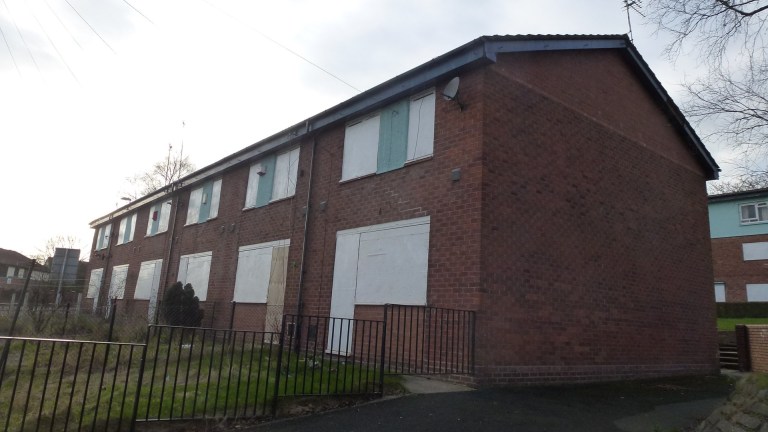
Meanwhile the latest Government figures show that across England there were nearly 226,000 homes left vacant for at least six months in October of last year – around nine in every 1,000 properties and a rise for the third year in a row.
Continue reading for free
Registration is free and takes less than 30 seconds.
Our supporters make Big Issue’s work possible. Join us to see the impact we’re having together and discover more ways to help people facing poverty access income, opportunity and support.
Abigail Gill, senior policy and research manager at Centrepoint, said those figures are hitting young people particularly hard.
She said: “The increasing number of long-term empty properties are a reminder of how unbalanced the housing market is and underline how difficult it can be for young people trying to find somewhere safe and affordable to live.
Advertising helps fund Big Issue’s mission to end poverty
“It is heart-breaking that more and more houses are standing empty when we continue to see young people struggling to move on from hostels and access long term accommodation.
“This not only has a huge impact on their ability to focus on getting into work and achieving their potential, but it also means that we cannot house the next group of young people who need our support.
“As we enter the next phase of the pandemic and restrictions begin to ease, we urge the Government to work with charities and local councils to address the underlying problems behind the housing crisis.”
The empty homes crisis across the UK has been a focus of The Big Issue for many years — that’s why we launched the Fill ‘Em Up campaign back in 2015.