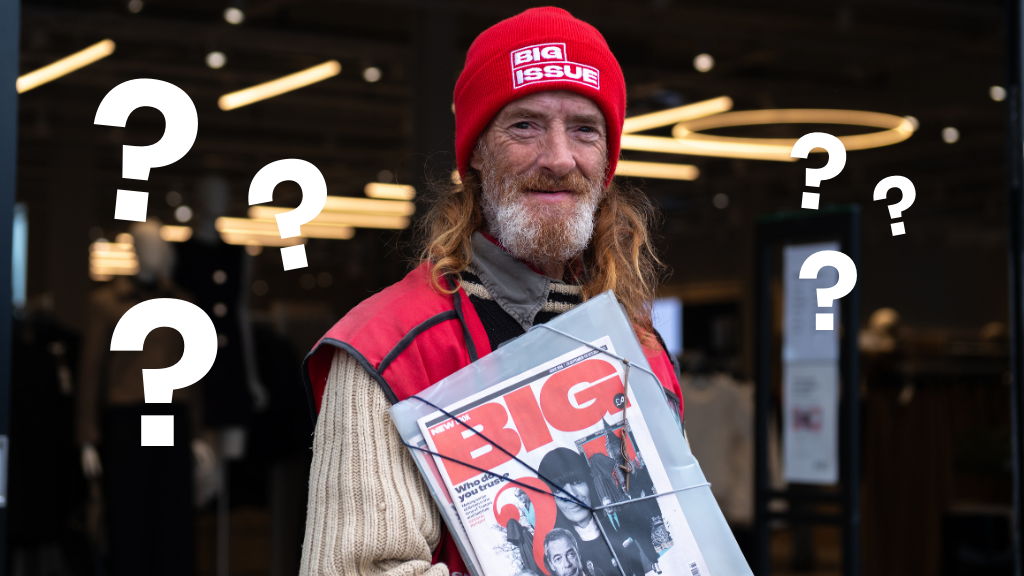
“With the cost of living increasing and more unemployment than ever before, I’m really worried what this year will bring as there’s no doubt a cold home will worsen a patient’s condition,” Namara added. “I think it will be worse than ever before this winter. I’ve visited some patients who can’t even afford to buy toilet paper. It’s going to be hard.
“It can be emotionally draining to see patients deteriorate because of the environment they are living in.”
The Government must make it a priority to give more financial support to people with terminal illnesses as well as making it easier for them to access schemes like the Warm Home Discount, according to Marie Curie. The charity said terminally ill people often miss out on grants such as the Winter Fuel Payment because eligibility criteria does not cover them or because they don’t know they can apply.
Keep reading the journalism that powers our mission
Register free to continue and learn more about the stories, campaigns and the support we provide, helping people facing poverty across the UK.
Terminally ill people are forced to “make impossible decisions”, the report said, faced with choosing between paying bills or buying food.
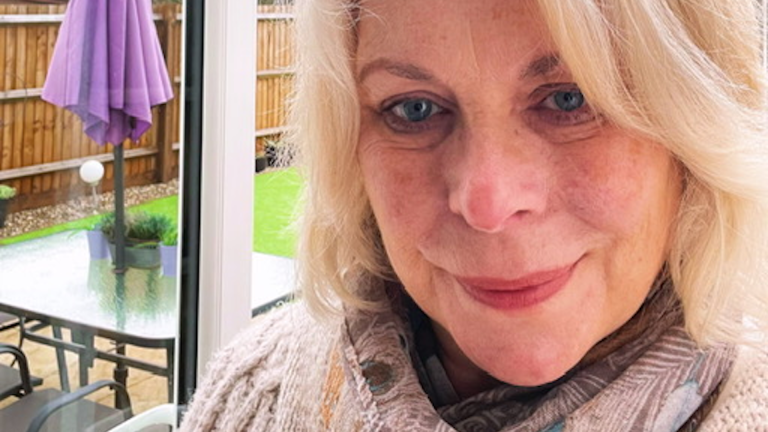
Gillian, who suffers from terminal autoimmune disorder Antiphospholipid Syndrome, has to make sure her heating is on all the time or it can increase her risk of blood clots and heart attacks.
Gillian lives alone and relies on benefits to live, but says it isn’t enough.
It is shocking that any dying person should spend the end of their life in cold, damp and uncomfortable conditions
“Due to my diagnosis, being cold isn’t an option, but I’ve had to choose at some points in my life, do I pay my bill or buy food?” she said. “I’ve been behind with my fuel bills, and general utility bills, council tax. You have to juggle all that.”
Ensuring terminally ill people is also key to ensuring further pressure is not placed on the NHS during the pandemic, Marie Curie’s chief executive Matthew Reed said, calling for the Government and care sectors to tackle the “scourge” of fuel poverty among people at the ends of their lives.
“It is shocking that any dying person should spend the end of their life in cold, damp and uncomfortable conditions, robbed of the best quality of life possible because of unaffordable heating costs.
“We know that terminally ill people are among the most vulnerable to fuel poverty and the consequences can be devastating. Throughout the pandemic, our community nurses have continued to provide care and support to people at end of life in their homes across the country, but we need to make sure they are in a comfortable, warm environment so they are not forced into hospitals, increasing pressure on an already stretched NHS.”
Earlier this week fuel regulator Ofgem proposed a £21 increase for the energy price cap, sparking outcry from campaigners who said a price hike would hit elderly people and those with health conditions the hardest.
“While £21 a year may not seem much to regulators and energy firms, it means a lot for the elderly and most vulnerable in society,” said Simon Francis, co-ordinator of the End Fuel Poverty Coalition. Ofgem will announce its decision in February.