Advertising helps fund Big Issue’s mission to end poverty
Social Justice

People on legacy benefits take discrimination case to High Court

Those claiming benefits such as employment and support allowance - mostly disabled people - did not receive the £20 increase given to Universal Credit claimants in lockdown

universal credit

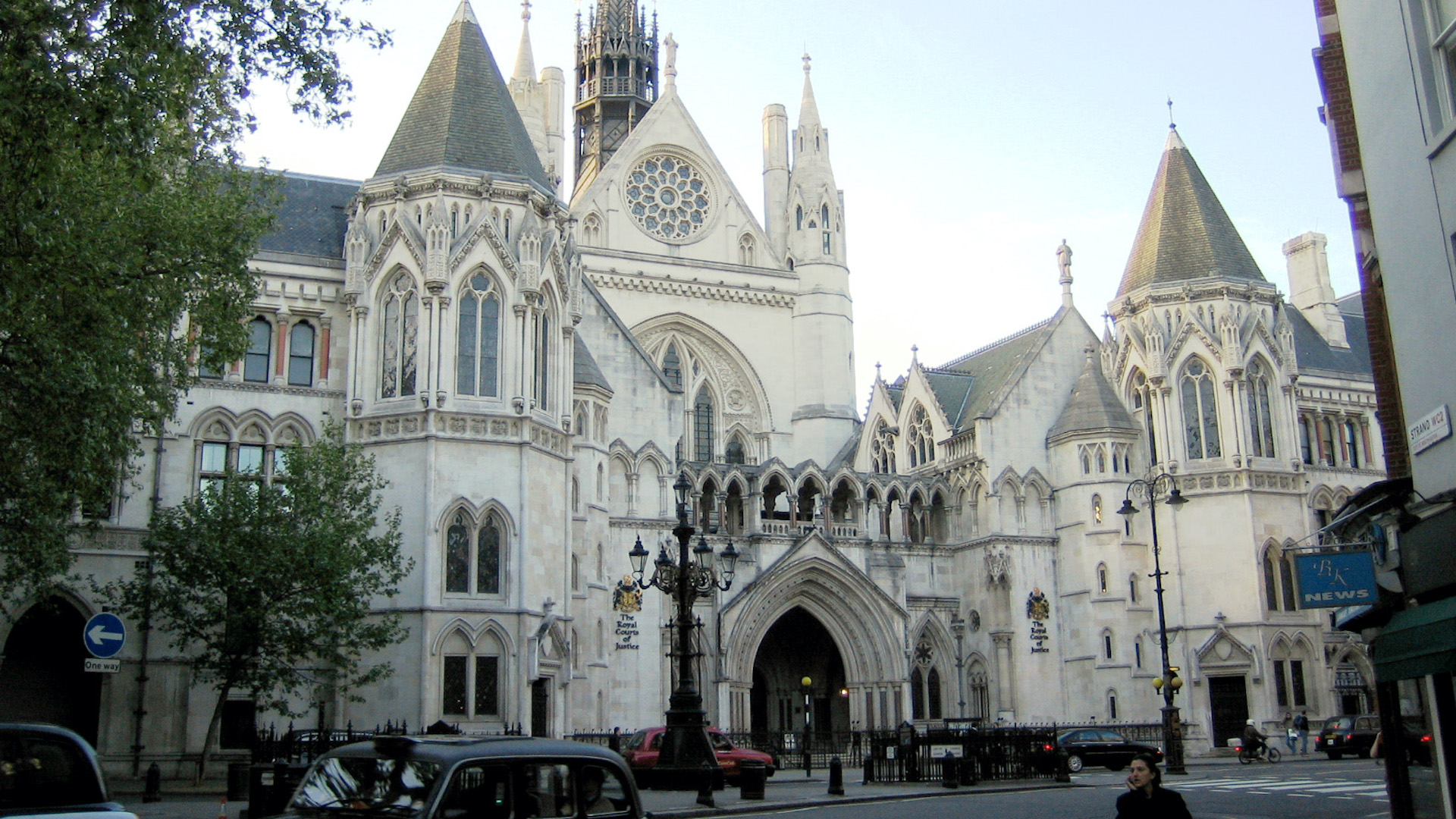
The lawyers argued that the decision breached the European Convention on Human Rights. Image: Anthony Majanlahti

The High Court is set to decide if the government acted unlawfully by not giving the two million people claiming so-called legacy benefits the same £20-per-week increase as those on Universal Credit at the start of lockdown.

Two people on employment and support allowance – one of six “legacy benefits”, which are mostly claimed by disabled people and carers – won the right to challenge the government in court.

The disabled claimants applied to the High Court for a judicial review over the Department for Work and Pension’s failure to give them the same increase as other people on benefits, which they called “discriminatory and unjustified”. 

Campaigners, who have long called for the £20-per-week increase to universal credit  to both be made permanent and be extended to those on legacy benefits, welcomed the news.

Support The Big Issue and our vendors by signing up for a subscription

“It has been completely unjust to exclude people claiming legacy benefits from the £20 increase that was rightly made to Universal Credit over a year ago,” said Helen Barnard, director of the Joseph Rowntree Foundation.


Advertising helps fund Big Issue’s mission to end poverty

“Disabled people and carers already face a greater risk of poverty, so there can be no justification for offering them less support than people claiming Universal Credit simply because they are in a different part of the system.”

The High Court accepted the case, submitted in March 2020, that only giving the increase to those on Universal Credit discriminated against disabled people was in breach of the European Convention on Human Rights.

Lawyers argued disabled people claiming legacy benefits are facing higher living costs during the pandemic but have to get by on less money than those on Universal Credit. The DWP should have to justify their “unfair” decision, they said.

Keep reading the journalism that powers our mission

Register free to continue and learn more about the stories, campaigns and the support we provide, helping people facing poverty across the UK.

People claiming legacy benefits reported feeling “abandoned and left to sink” by the government after being refused support to cope with increased costs in lockdown, according to the Disability Benefits Consortium, with some forced to choose between food and heating their homes.

“This unfairness calls for a properly evidenced justification, particularly as almost 2 million disabled people are disproportionately affected by this decision and the pandemic generally,” said William Ford, solicitor for the claimants.

 “Thus far the Government has failed to provide any objectively verifiable reason for the difference in treatment of people in essentially identical circumstances.”

Work and pensions secretary Thérèse Coffey previously told MPs she did not believe disabled people had been treated badly during the pandemic and was “not aware specifically of extra costs that would have been unduly incurred” by disabled people throughout the Covid-19 crisis.

Anela Anwar, chief executive of anti-poverty charity Z2K called the win “excellent news”, adding that there is “no justification for this discrimination”.

The judicial review will be heard later this year, with claimants requesting it be held before the end of July.

Advertising helps fund Big Issue’s mission to end poverty

Do you know how Big Issue 'really' works?

Watch this simple explanation.

Recommended for you

View all
The government wants you to buy tinned food to prepare for a crisis. What if you can't afford it?
images of fruit and vegetables on cans to showcase food poverty
Food

The government wants you to buy tinned food to prepare for a crisis. What if you can't afford it?

DWP rule change means people in temporary accommodation no longer lose money for working
a person working at a desk
Social Justice

DWP rule change means people in temporary accommodation no longer lose money for working

Baby banks are the hidden emergency service Labour cannot afford to ignore
mother and baby at a baby bank
Hannah Pentith

Baby banks are the hidden emergency service Labour cannot afford to ignore

'A child's life can be made easier by money arriving when it should'
a child at a food shop
Baroness Maeve Sherlock

'A child's life can be made easier by money arriving when it should'