Advertising helps fund Big Issue’s mission to end poverty
News

Virtual reality experience fights the invisible enemy of veterans

Veterans' charity SSFA hopes to use immersive tech to garner public support to tackle growing feelings of loneliness among ex-servicemen and woman

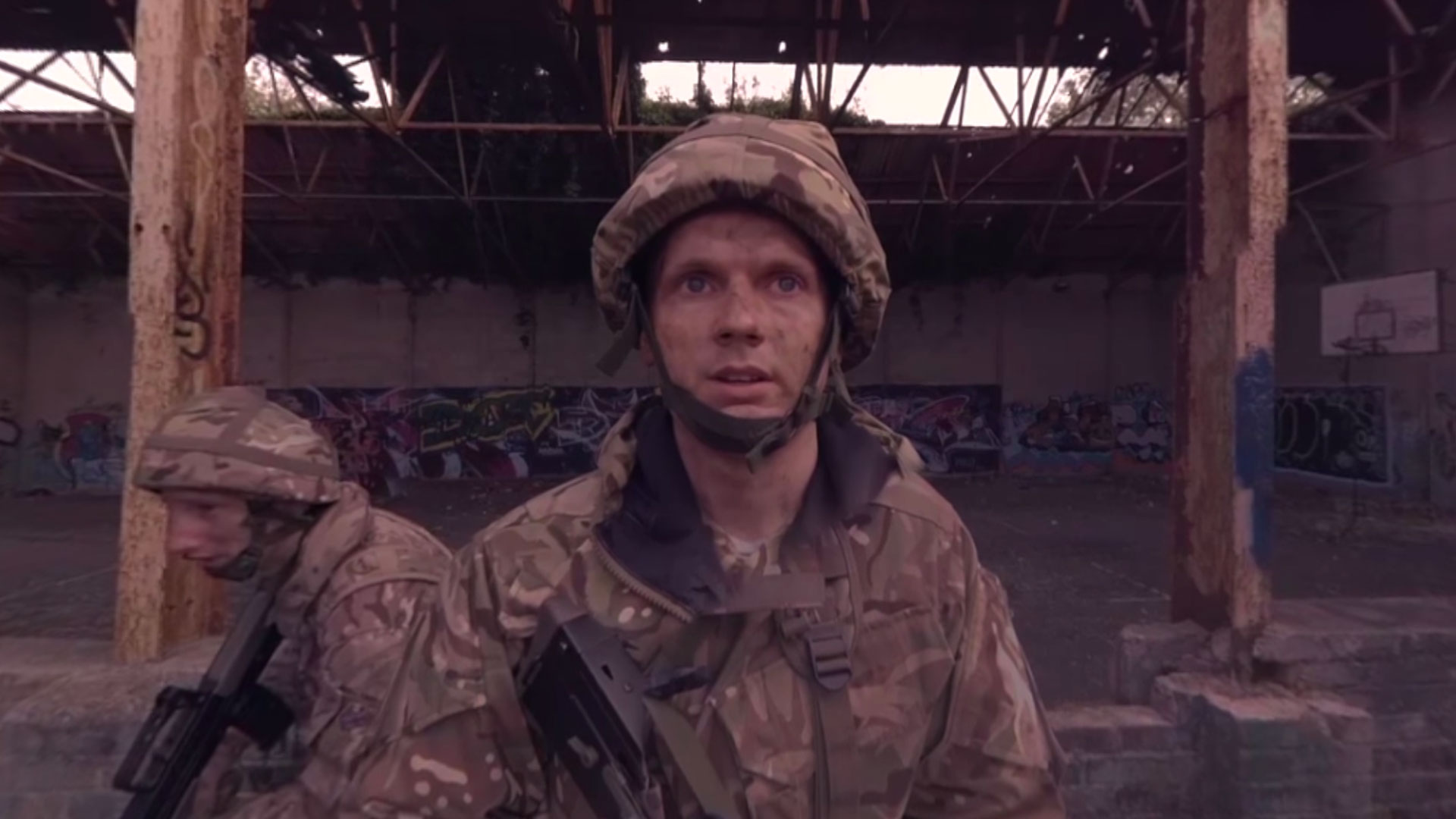
Armed forces charity SSAFA has launched a new virtual reality experience to highlight the rise and fall of service men and women after their military career ends.

The experience juxtaposes the comradeship of the military with the struggle of isolation after the transition back to civilian life. The switch presents difficulties for many veterans including relationship breakdown, depression, drug and alcohol dependency and lack of suitable housing.

It is hoped that it will be able to to garner public support for the charity’s campaign to fight isolation in veterans.

Research conducted by YouGov on behalf of the charity found that 41 per cent of British armed forces veterans felt lonely or isolated since leaving the military with over a quarter (27 per cent) admitting to having suicidal thoughts after finishing service. They cited losing touch with friends in the forces, physical and mental health issues and struggling to relate to anyone in civilian life as the cause of their feelings of isolation.

Another 27 per cent of the 2,000 working-age veterans surveyed felt they would benefit from meeting someone regularly from a military background to talk about their experiences, pointing to a growing need for increased help in place for military personnel after finishing service.


Advertising helps fund Big Issue’s mission to end poverty

Over a quarter of armed forces veterans admitted to having suicidal thoughts

Justine Baynes, Director of Marketing and Communications at SSAFA, said: “For many, a veteran is an older man marching on Remembrance Day, but we are seeing an increase in the number of younger veterans coming forward with far more complex issues.

“We wanted to make people aware of the challenges faced by service men and women when they leave the forces and how hard it is to adjust. After serving in the armed forces, the realities of civilian life can be a very daunting experience.

SSAFA_VR_embed

“SSAFA offers support to those leaving the armed forces that is personalised to their needs, through our network of trained case workers.  This is a lifeline for many who have served our nation and we’re encouraging the public to join our fight by making a donation to support our work.”

Continue reading for free

Registration is free and takes less than 30 seconds.

Our supporters make Big Issue’s work possible. Join us to see the impact we’re having together and discover more ways to help people facing poverty access income, opportunity and support.

To find out more, or donate visit https://www.ssafa.org.uk/fight

Join The Ride Out Recession Alliance

The Ride Out Recession Alliance (RORA) will develop and implement practical steps and solutions to prevent families losing their homes, and help people remain in employment.

Learn More
Advertising helps fund Big Issue’s mission to end poverty

Do you know how Big Issue 'really' works?

Watch this simple explanation.

Recommended for you

View all
More children will get free school meals this school year. Here's what you need to know
child eating meal at school
Free school meals

More children will get free school meals this school year. Here's what you need to know

What are Andy Burnham's cost of living plans and what will they mean for you?
Andy Burnham as he arrived at 10 Downing Street.
Cost of living

What are Andy Burnham's cost of living plans and what will they mean for you?

Meet the photographer capturing UK homelessness – who became homeless himself
Brock Elbank's homelessness portrait photography
Photography

Meet the photographer capturing UK homelessness – who became homeless himself

Timms Review recommends changes to 'dehumanising' PIP assessment process
stephen timms
Disability benefits

Timms Review recommends changes to 'dehumanising' PIP assessment process